



























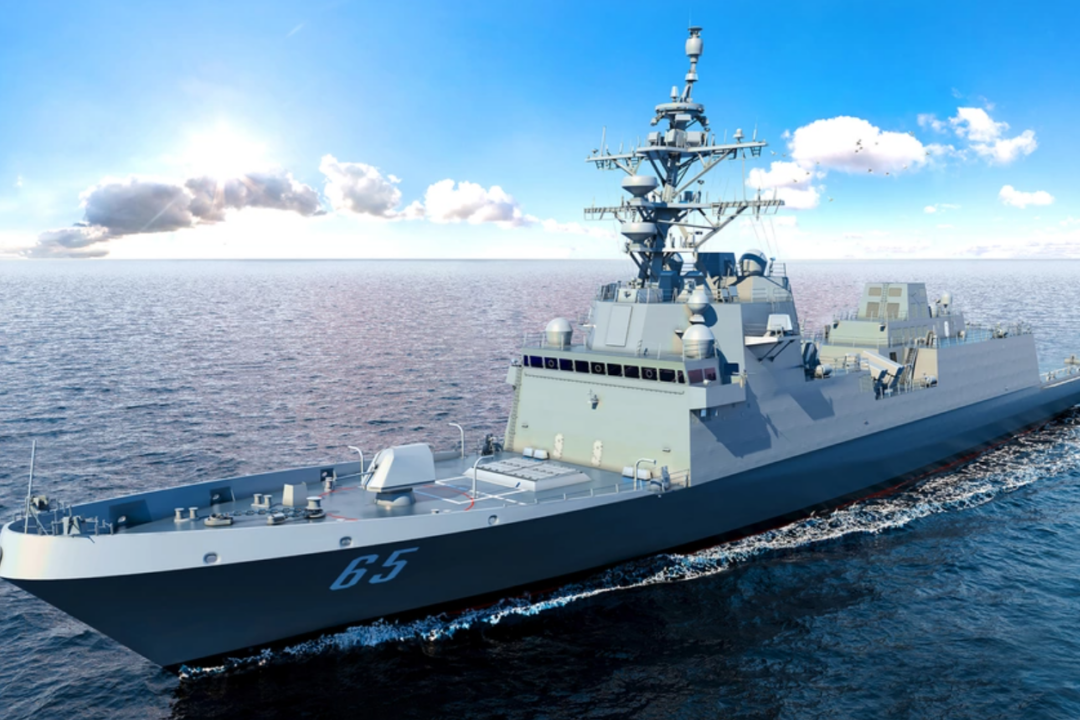
In a surprising move that signals mounting challenges within the U.S. Navy’s shipbuilding initiatives, Secretary of the Navy John C. Phelan announced the cancellation of the ambitious Constellation-class frigate program on November 25, effectively ending plans for what was intended to be a 20-ship fleet modernization effort.

The decision, delivered through a video message, represents a significant shift in naval procurement strategy and underscores the persistent struggles facing American military shipbuilding programs. While construction will continue on the first two vessels already under development, the broader program that promised to revitalize the Navy’s frigate capabilities has been terminated.
The Constellation-class frigates were designed to serve as multi-mission warships, capable of conducting anti-submarine warfare, surface warfare, and air defense operations. The program was initially hailed as a cost-effective solution to expand the Navy’s fleet size while providing essential capabilities for maritime security operations.
Program Origins and Ambitious Goals
The Navy’s original vision for the Constellation program was expansive, with plans calling for 20 sophisticated frigates that would bridge the gap between smaller littoral combat ships and larger destroyers. These vessels were intended to provide the fleet with increased operational flexibility while maintaining a smaller logistical footprint than their larger counterparts.
The frigates were expected to incorporate advanced radar systems, vertical launch systems for missiles, and enhanced survivability features. Industry analysts had viewed the program as a potential model for future naval procurement, combining proven technologies with streamlined acquisition processes.
Implications for Naval Fleet Modernization
Secretary Phelan’s decision to terminate the program raises critical questions about the Navy’s broader fleet modernization strategy. The cancellation comes at a time when the service is grappling with aging ships, budget constraints, and increasing global maritime threats that demand a robust and technologically advanced fleet.
The move also highlights ongoing challenges within the defense industrial base, where shipbuilders have struggled with cost overruns, schedule delays, and technical complications across multiple naval programs. These issues have plagued various Navy initiatives in recent years, forcing leadership to make difficult decisions about resource allocation and strategic priorities.
Continuing Construction and Future Considerations
Despite the program’s cancellation, work will proceed on the first two Constellation-class ships, suggesting that the Navy remains committed to evaluating the design’s potential even as it abandons the larger procurement effort. This approach may allow naval officials to gather valuable operational data that could inform future frigate requirements.
The decision reflects a broader trend of increased scrutiny over defense spending and acquisition programs, with military leadership facing pressure to demonstrate fiscal responsibility while maintaining readiness standards. As global maritime competition intensifies, particularly in the Indo-Pacific region, the Navy’s ability to field modern, capable vessels remains a critical national security priority.
The cancellation of the Constellation program represents more than a simple procurement decision—it signals the complex challenges facing American naval power projection in an era of constrained resources and evolving threats. How the Navy adapts its shipbuilding strategy in response to this setback will likely influence maritime security considerations for years to come.