













Israeli Prime Minister Benjamin Netanyahu announced that the fragile cease-fire agreement with Hamas is approaching a critical transition point, with the conflict’s second phase expected to begin within weeks.

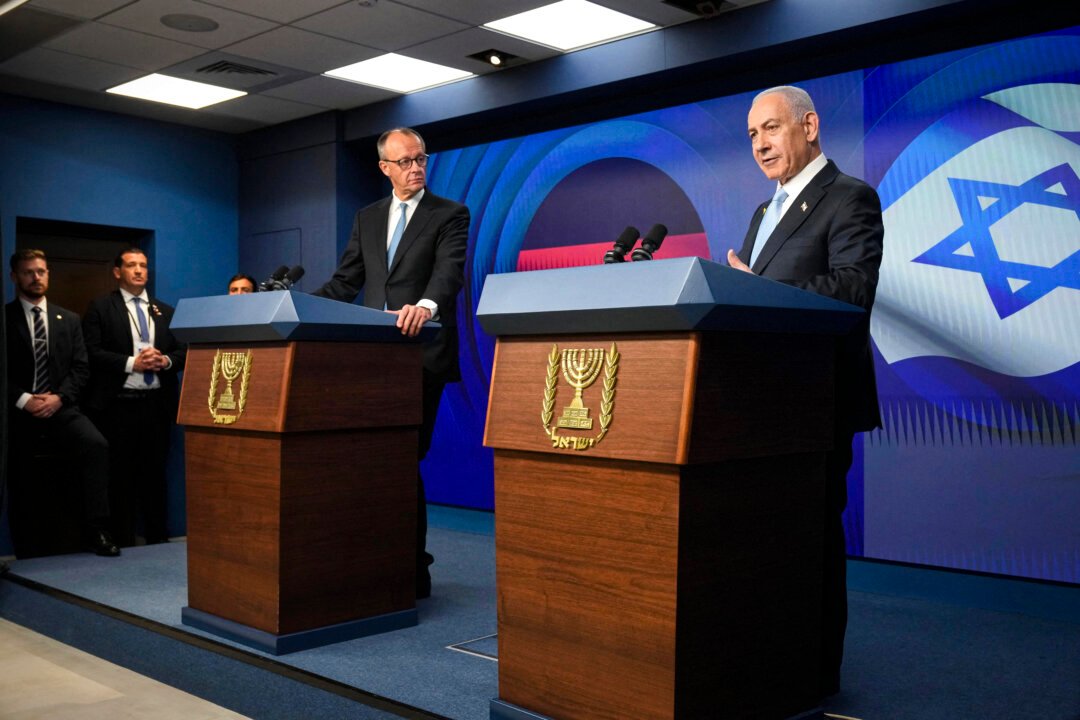
Speaking alongside German Chancellor Friedrich Merz during a high-profile diplomatic meeting in Tel Aviv on December 7, Netanyahu revealed that the current cease-fire framework—implemented nearly two months ago—is “very shortly expected to move into its second phase.” The announcement signals a potential escalation in efforts to fundamentally reshape Gaza’s security landscape.
The upcoming second phase represents a dramatic shift from the current arrangements, focusing primarily on dismantling Hamas’s military capabilities and establishing a comprehensive demilitarization program across the Gaza Strip. Netanyahu indicated this transformative process could commence as early as late December, marking a pivotal moment in the protracted conflict.
The timing of Netanyahu’s announcement during Chancellor Merz’s official visit underscores the international dimension of the Gaza situation, with Germany playing an increasingly active role in Middle Eastern diplomatic efforts. The joint press conference highlighted the coordinated approach among Israel’s allies as the region prepares for what could be a decisive phase in reshaping Gaza’s future.
The cease-fire agreement, brokered through intensive international mediation, was structured in multiple phases designed to gradually address the complex security and humanitarian challenges in Gaza. While the initial phase focused on ending active hostilities and facilitating humanitarian aid, the second phase represents a more ambitious attempt to address the underlying military infrastructure that has fueled repeated conflicts.
The proposed disarmament and demilitarization efforts will likely face significant challenges, given Hamas’s deep entrenchment in Gaza and the group’s historical resistance to surrendering its military assets. The success of this phase could determine whether the current cease-fire evolves into a lasting peace arrangement or becomes another temporary pause in the decades-long conflict.
Netanyahu’s announcement comes at a crucial juncture for regional stability, with multiple stakeholders closely monitoring developments. The international community, including key mediators who helped broker the original agreement, will be watching to see how effectively the transition to the second phase can be managed without triggering a return to violence.