













As midnight approaches on December 31st and the world prepares to welcome 2026, millions will mark the transition not just with champagne toasts and fireworks, but with carefully chosen foods steeped in centuries-old tradition.

Across continents and cultures, New Year’s dining rituals share a remarkable common thread: the belief that what we eat in those first precious moments of January can influence our luck, health, and prosperity for the entire year ahead.
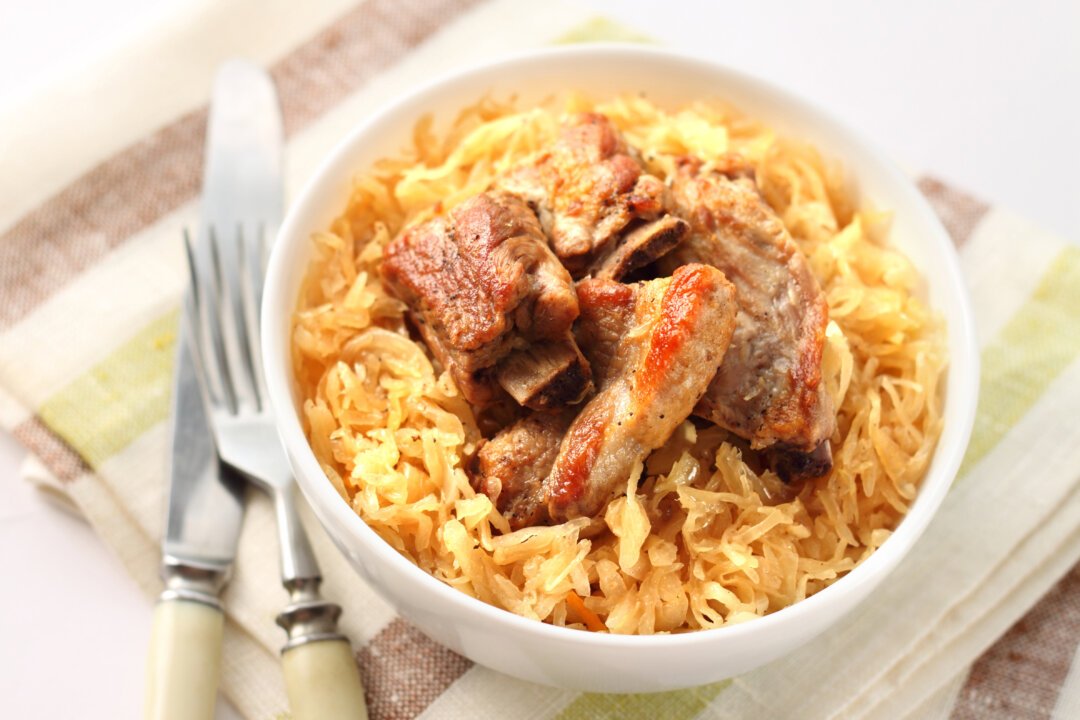
In the United States, regional preferences paint a diverse culinary map of hope and tradition. The American South swears by black-eyed peas, often prepared as Hoppin’ John with rice and pork, symbolizing coins and good fortune. Meanwhile, Pennsylvania Dutch communities and German-American families across the Midwest gather around tables laden with pork and sauerkraut, trusting in the pig’s forward-rooting nature to push them toward progress in the coming year.
These food-centered celebrations extend far beyond American borders, creating a global tapestry of taste and superstition. In Spain and much of Latin America, the stroke of midnight brings the tradition of eating twelve grapes—one for each month ahead—while making wishes for what’s to come.
Italian families often begin their year with lentil soup or cotechino con lenticchie, as the small legumes resemble coins and promise financial prosperity. The dish combines Italian sausage with lentils, creating both symbolic meaning and satisfying sustenance for the celebration.
Scandinavian countries maintain their own unique customs, with pickled herring taking center stage in many households. The silvery fish represents abundance and the promise of plenty in the months ahead, while its preservation method symbolizes the ability to weather any storms the new year might bring.
Mexican and Central American communities often center their celebrations around tamales, with families gathering days before New Year’s Eve to prepare these labor-intensive delicacies. The communal preparation process itself becomes part of the ritual, strengthening family bonds while creating food that represents abundance and togetherness.
What makes these traditions particularly fascinating is their persistence across generations and geographic boundaries. Immigrant communities have carried these practices to new lands, adapting them to available ingredients while maintaining their essential symbolic meaning.
Food historians note that many of these customs originated during times of scarcity, when certain foods were considered precious or were believed to possess almost magical properties. Pork, for instance, became associated with progress because pigs naturally root forward when searching for food, unlike chickens that scratch backward.
The science behind these traditions may be rooted more in psychology than nutrition, but their power to bring families together and create positive expectations for the future remains undeniable. Whether it’s the ritual of carefully timing grape consumption or the satisfaction of sharing a hearty meal with loved ones, these food traditions serve as bridges between past and future, connecting us to our heritage while launching us into new possibilities.
As 2026 approaches, these culinary customs remind us that hope and tradition often come served on a plate, seasoned with the dreams and wishes of those who believe that sometimes, the path to a better year begins with a single, meaningful bite.