













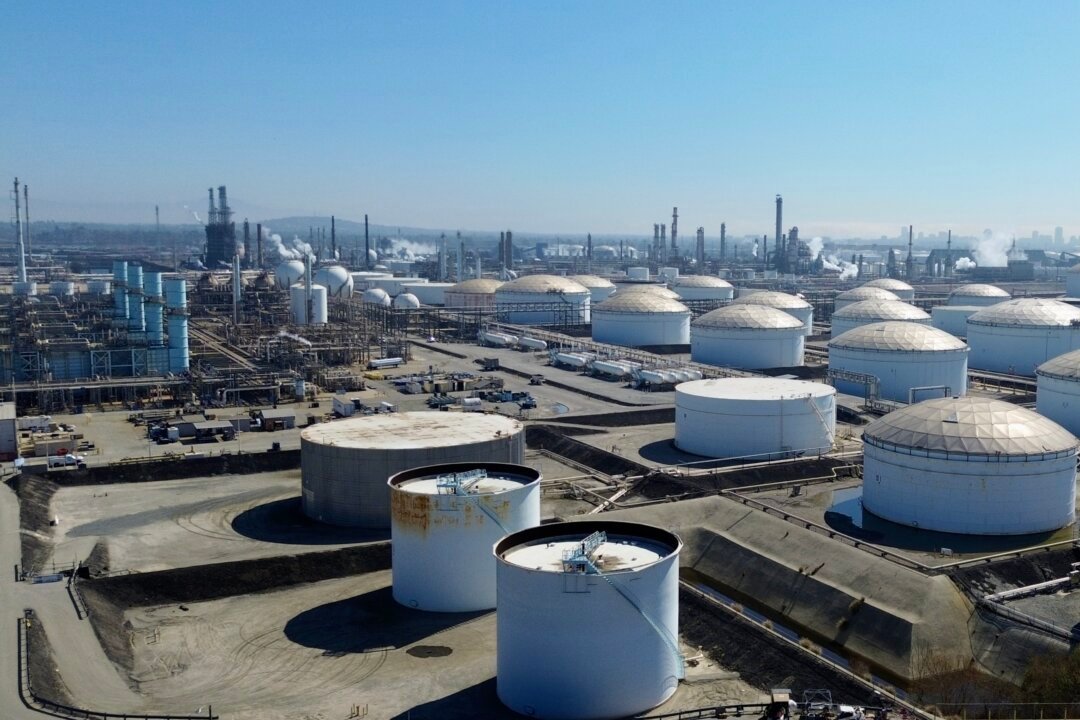
Global oil markets are experiencing significant turbulence as Brent crude futures plummeted to their lowest levels in over five months, signaling deepening concerns about oversupply and deteriorating economic conditions between major powers.

Trading data from October 20 shows Brent crude hovering at $60.95 per barrel as of 6:40 a.m. EDT, representing a 0.55 percent decline from the previous session’s close on October 17. This marks the first time oil has traded at these depressed levels since early May, underscoring the volatile nature of energy markets in the current economic climate.
The sharp downturn reflects mounting anxiety over a potential supply glut that could further destabilize already fragile market conditions. Industry analysts point to multiple factors contributing to the bearish sentiment, including weakening global demand projections and escalating tensions in the U.S.-China trade relationship that could dampen economic growth prospects.
The Energy Information Administration has issued warnings about the trajectory of oil prices, stating that the commodity faces “significant downward pressure” in the months ahead. This official assessment adds weight to concerns that the current price decline may not be a temporary correction but rather the beginning of a more sustained downturn.
Market observers note that oil prices have remained stubbornly anchored near these multi-month lows for several consecutive trading sessions, suggesting that bearish sentiment has become entrenched among investors and traders. The persistence of these price levels indicates that market participants are increasingly pessimistic about near-term demand recovery.
The timing of this downturn is particularly significant for global energy markets, as it comes during a period when geopolitical tensions typically support higher oil prices. However, the combination of supply abundance and demand uncertainties appears to be overwhelming traditional market dynamics.
For consumers, the declining oil prices could translate into relief at gas pumps in the coming weeks, though the broader economic implications of sustained low energy prices remain a subject of debate among economists and industry experts.
The current market conditions reflect a complex interplay of factors that extend beyond traditional supply and demand fundamentals, highlighting how modern oil markets have become increasingly sensitive to macroeconomic trends and international trade relationships.