



























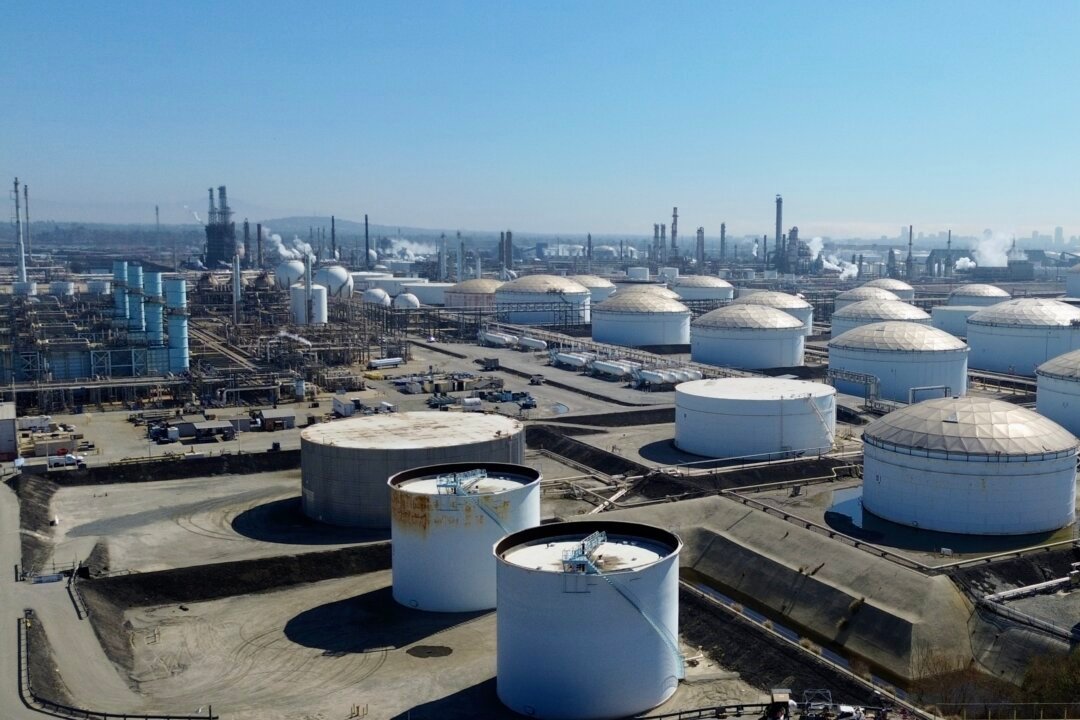
Global oil markets are experiencing significant turbulence as Brent crude futures plummeted to their lowest levels in more than five months, raising concerns about oversupply and deteriorating international trade relations.

As of 6:40 a.m. EDT on October 20, Brent crude was trading at $60.95 per barrel, marking a 0.55 percent decline from its October 17 closing price. This represents the weakest performance for oil prices since early May, when markets last witnessed such depressed levels.
The sustained downturn reflects mounting anxiety among traders over a potential supply glut that could flood global markets in the coming weeks. Adding to these concerns are escalating tensions between the United States and China, two of the world’s largest oil consumers, which could significantly impact demand forecasts.
Market analysts are closely monitoring these developments as oil prices have remained stubbornly low for several consecutive trading sessions. The persistence of these reduced price levels suggests deeper structural issues within the energy sector rather than temporary market fluctuations.
The Energy Information Administration has issued a cautionary outlook, warning that oil prices are likely to face “significant downward pressure” over the coming months. This forecast adds weight to investor concerns about the sustainability of current market conditions and the potential for further price deterioration.
The current market environment presents challenges for oil producers worldwide, particularly those with higher extraction costs who may struggle to maintain profitability at these price levels. Energy sector investors are reassessing their portfolios as the prospect of prolonged low prices becomes increasingly likely.
Industry experts suggest that the combination of supply concerns and geopolitical tensions creates a perfect storm for continued market volatility. The situation underscores the complex interplay between global supply chains, international relations, and commodity pricing in today’s interconnected economy.
As markets continue to digest these developments, traders and analysts will be watching closely for any signals that might indicate whether this downward trend will persist or if market forces will eventually drive prices higher in the near term.