



























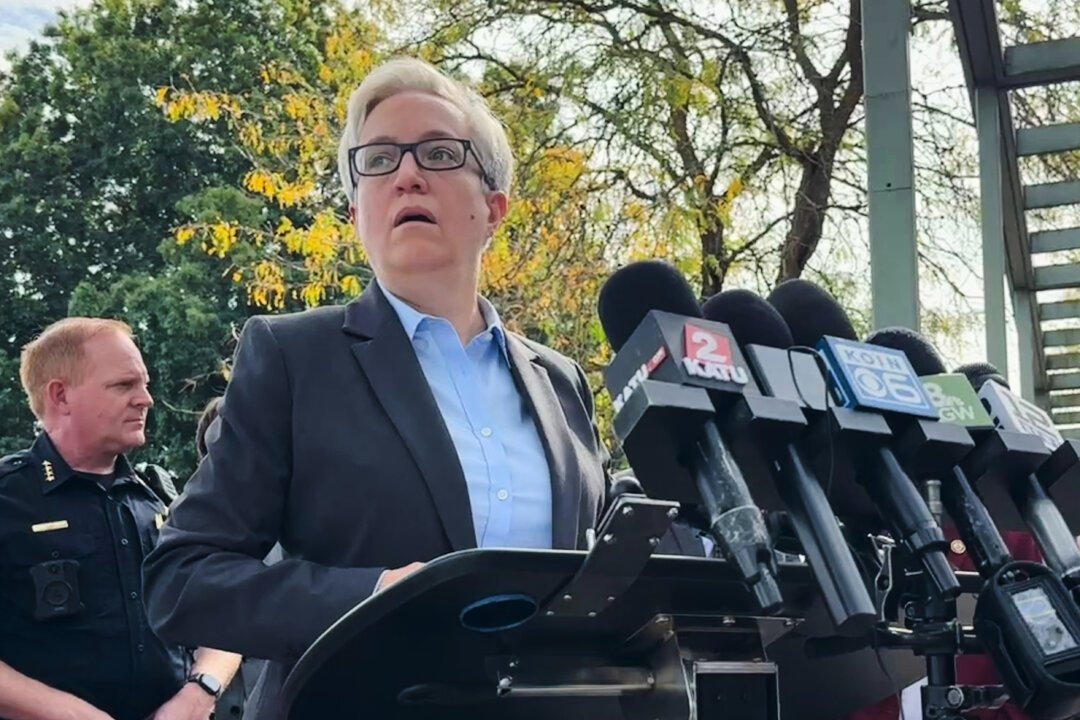
Oregon Governor Tina Kotek issued a state of emergency declaration on Monday as the state scrambles to maintain adequate fuel supplies during one of the busiest travel periods of the year. The emergency order comes after the Olympic Pipeline, which delivers more than 90 percent of Oregon’s fuel supply, was forced to shut down due to a leak just days before the Thanksgiving holiday rush.

The timing couldn’t be worse for Oregon residents and businesses. With millions of Americans preparing to hit the roads for Thanksgiving travel, the pipeline disruption threatens to create significant fuel shortages across the state. The Olympic Pipeline serves as the primary artery for gasoline, diesel, and jet fuel distribution throughout Oregon, making its closure a critical infrastructure emergency.
Kotek’s emergency declaration is designed to keep fuel flowing into Oregon through alternative transportation methods, primarily ships and trucks. The order includes provisions to waive certain federal regulations that limit how long commercial drivers transporting fuel can operate, effectively allowing extended driving hours to expedite deliveries during the crisis.
“This emergency declaration will help ensure that fuel continues to reach Oregon communities while the Olympic Pipeline remains offline,” the governor’s office stated in the emergency order. The regulatory waivers are expected to significantly increase the capacity for fuel transportation by road, compensating for the massive volume typically carried by the pipeline.
The pipeline leak discovery prompted immediate safety protocols that required shutting down operations until repairs can be completed. Pipeline operators have not yet provided a timeline for when normal operations might resume, leaving state officials to prepare for an extended period of alternative fuel supply arrangements.
For Oregon drivers planning Thanksgiving travel, the emergency declaration aims to prevent the kind of fuel shortages that could strand motorists or create long lines at gas stations. The state’s heavy reliance on the Olympic Pipeline—with over 90 percent dependency—highlights the vulnerability of regional fuel distribution systems when critical infrastructure fails.
The emergency measures will remain in effect until pipeline operations are restored and normal fuel supply chains resume. State officials are monitoring fuel inventory levels across Oregon and coordinating with suppliers to ensure adequate distribution to all regions of the state during this critical period.