













In front of Oslo’s central train station stands an imposing bronze tiger, a monument that tells the story of Norway’s capital and its enduring nickname. According to locals, Oslo earned the moniker “Tiger City” during the 19th century, when wide-eyed country boys would venture into what they considered the “New York City of Norway” – a wild and intoxicating urban jungle that would leave an indelible mark on their souls.

Yet for travel expert Rick Steves, Oslo presents a different character entirely. “I find Oslo more of a kitten than a tiger,” he observes, noting how the city’s blend of grand Neoclassical architecture, utilitarian 1960s modernist blocks, verdant parks, and homogeneous culture has always struck him as somewhat subdued.
However, beneath this seemingly mild exterior lies a city undergoing remarkable transformation. Oslo has been quietly revolutionizing itself, particularly along its waterfront, where bold architectural statements and people-centered urban planning have breathed new life into once-industrial spaces.
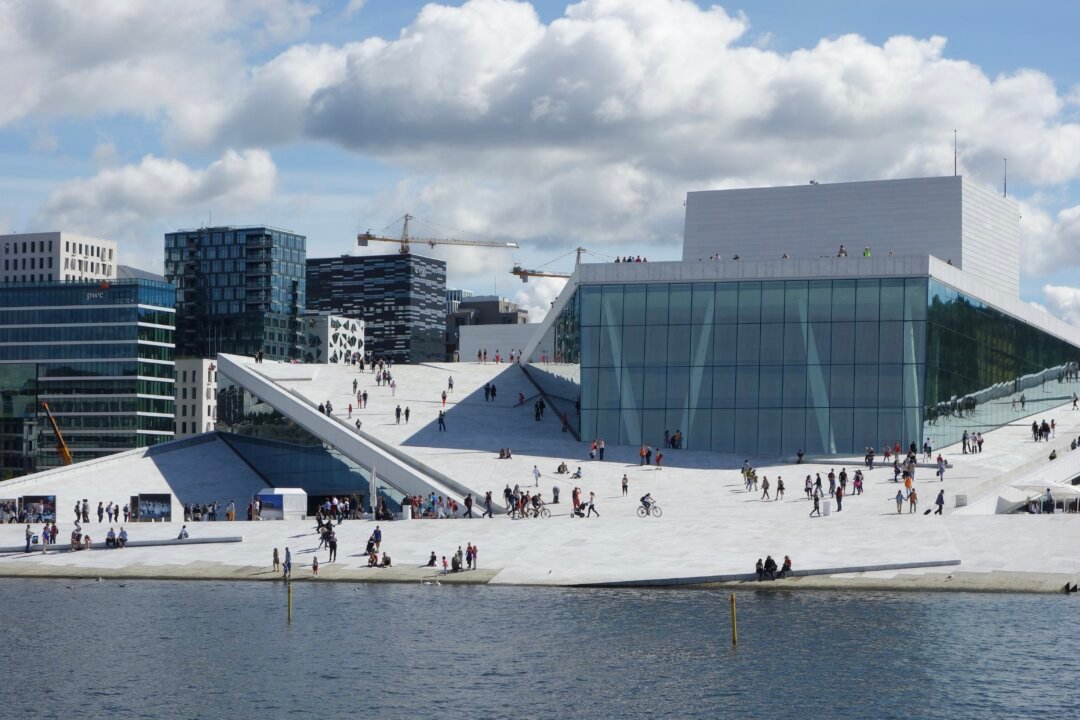
The Norwegian Opera House serves as perhaps the most striking symbol of this metamorphosis. Rising from the harbor like a gleaming iceberg, the building’s distinctive white marble and glass structure has become an iconic representation of Oslo’s commitment to making high culture accessible to all. Visitors can literally walk up and over the building, transforming the opera house into both a cultural venue and a public park.
This waterfront revival represents just one facet of Oslo’s evolving identity. The city has successfully balanced preservation of its historical character with ambitious modern development, creating spaces where centuries-old traditions coexist with cutting-edge design and contemporary artistic expression.
Beyond its architectural renaissance, Oslo offers visitors a unique window into Norwegian culture, where the country’s deep connection to nature, rich artistic heritage, and progressive social values converge. The city’s numerous museums, from the world-renowned Munch Museum to the fascinating Fram Museum, showcase everything from troubled artistic genius to polar exploration adventures.
For travelers seeking to understand modern Scandinavia, Oslo provides an essential experience. While it may lack the raw energy that once earned it the “Tiger City” moniker, today’s Oslo offers something perhaps more valuable: a thoughtful example of how cities can honor their past while boldly embracing the future.
The tiger statue still watches over arriving visitors at the train station, but the city it guards has evolved far beyond its 19th-century reputation. Today’s Oslo is a testament to Nordic innovation, environmental consciousness, and the belief that urban spaces should serve all citizens – making it a fascinating destination for any European itinerary.