













The U.S. defense industry is launching an ambitious campaign to eliminate Chinese suppliers from critical military supply chains, marking a significant shift in how America approaches national security manufacturing.

Defense Secretary Pete Hegseth outlined the Pentagon’s strategic vision during a September 30 address in Quantico, Virginia, emphasizing the urgent need to bring essential component production back to American soil.
“The moment requires restoring and refocusing our defense industrial base, our shipbuilding industry, and onshoring all critical components,” Hegseth declared, signaling a comprehensive restructuring of military procurement practices.
The initiative reflects growing concerns about supply chain vulnerabilities that have emerged as geopolitical tensions between Washington and Beijing continue to escalate. Defense contractors are now scrambling to identify alternative suppliers and establish domestic manufacturing capabilities for components traditionally sourced from China.
Keith Norman, representing California-based battery manufacturer Lyten, highlighted the practical challenges facing defense suppliers. Norman noted that reliance on China becomes a “challenge” during periods of heightened geopolitical risk, underscoring the strategic imperative driving the Pentagon’s supply chain revolution.
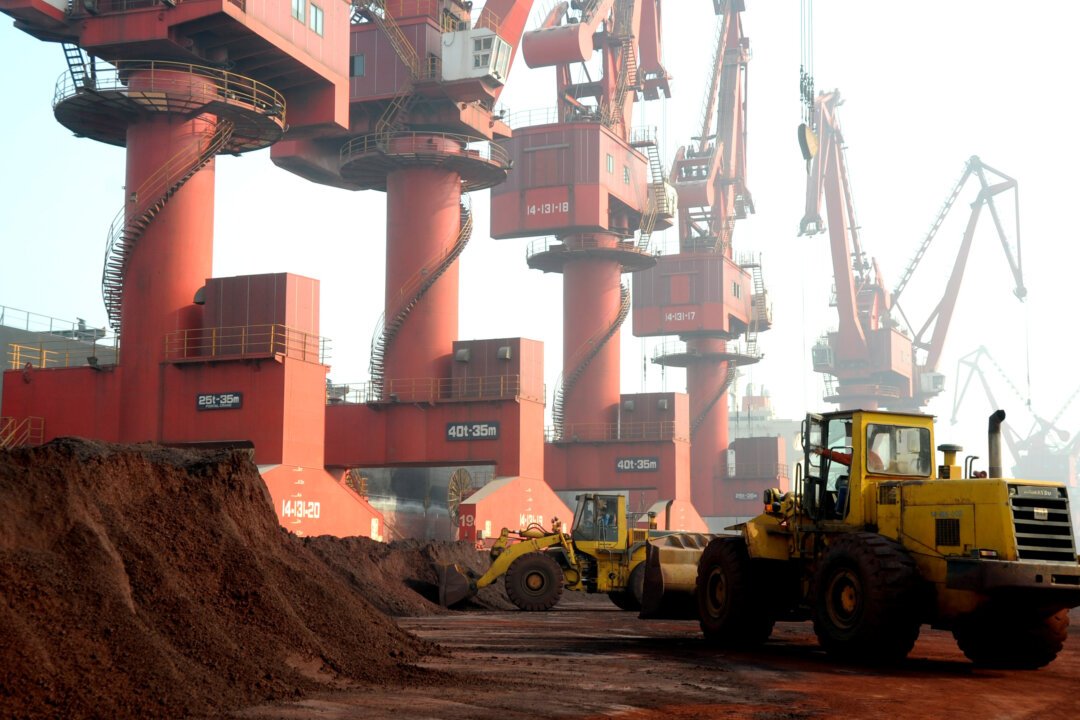
The defense industry’s pivot away from Chinese suppliers encompasses everything from rare earth elements to advanced electronic components. This transition involves not only identifying new suppliers but also developing entirely new supply networks that prioritize security and reliability over cost efficiency.
Industry experts predict the supply chain overhaul will require substantial investments in domestic manufacturing infrastructure. Companies must now balance immediate production needs against long-term strategic security considerations, often accepting higher costs to ensure supply chain resilience.
The Pentagon’s strategy extends beyond simple supplier substitution. Officials are working to rebuild America’s defense industrial capacity, particularly in shipbuilding and critical component manufacturing sectors that have seen significant offshore migration over recent decades.
This supply chain transformation represents one of the most significant shifts in defense procurement policy in generations. The success of these efforts will largely determine America’s ability to maintain military technological superiority while reducing strategic dependencies on potential adversaries.
As defense contractors navigate this transition, they face the complex challenge of maintaining current production levels while simultaneously building new supply relationships. The timeline for complete supply chain independence remains uncertain, but the Pentagon has made clear that national security considerations now outweigh traditional cost-benefit analyses in procurement decisions.