













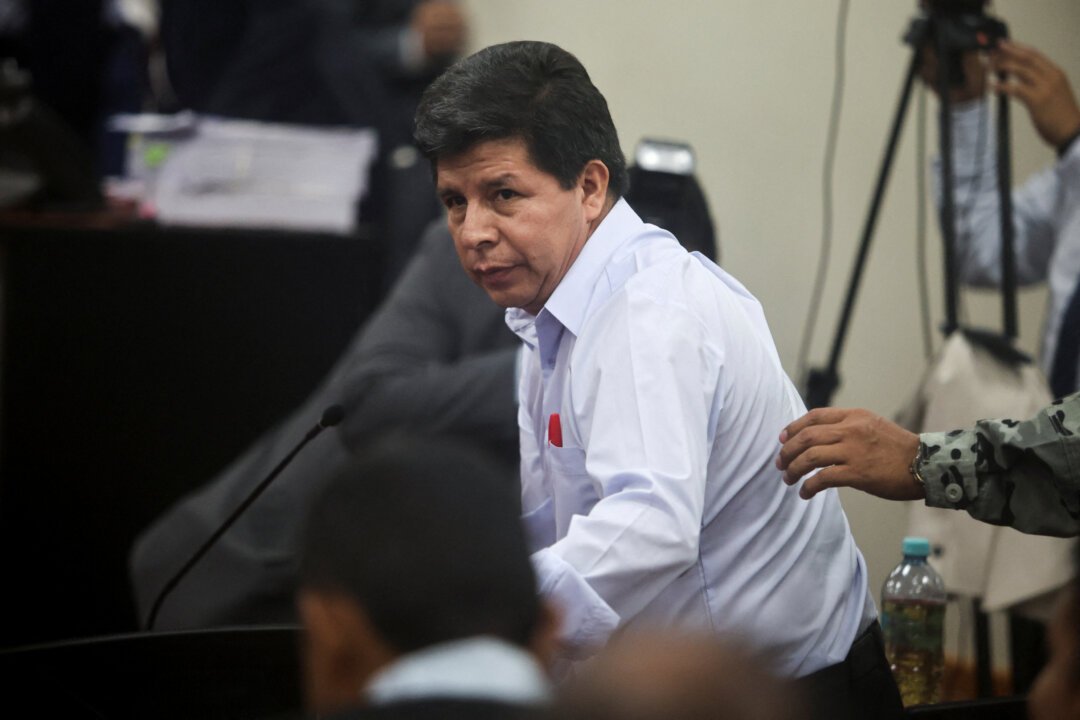
In a dramatic conclusion to a case that has captivated Peru and highlighted the country’s ongoing political turmoil, a Lima court on Thursday delivered a crushing blow to former President Pedro Castillo, sentencing him to 11.5 years behind bars for rebellion and conspiracy against the state.

The harsh sentence stems from Castillo’s desperate and ultimately failed attempt in December 2022 to dissolve Peru’s Congress and seize sweeping executive powers—a move that legal experts and political observers widely characterized as an attempted coup.
The leftist leader’s downfall was swift and spectacular. His bid to circumvent democratic institutions and concentrate power in his hands backfired spectacularly, leading to his immediate removal from office and subsequent arrest. The former rural school teacher, who had positioned himself as a champion of Peru’s marginalized populations, now faces more than a decade in prison for his actions.
Thursday’s sentencing marks another chapter in Peru’s recent history of presidential scandals and legal troubles. The timing is particularly striking, coming just one day after the judiciary handed down an even harsher sentence to another former president, Martín Vizcarra, who received 14 years in prison for corruption charges related to bribery that occurred before he assumed the presidency.
The back-to-back sentencing of two former presidents underscores the depth of Peru’s institutional crisis and the ongoing efforts by the country’s judicial system to hold former leaders accountable for their actions. These cases represent a significant moment for Peru’s democracy, as the country grapples with questions of presidential power, constitutional limits, and the rule of law.
Castillo’s journey from a provincial educator to the presidency and now to a prison cell reflects the volatile nature of Peruvian politics. His initial rise to power was fueled by promises to address inequality and represent the interests of rural and indigenous communities that had long felt neglected by Lima’s political elite.
However, his presidency was marked by constant friction with Congress, corruption allegations, and political instability that culminated in his fateful decision to attempt dissolving the legislative branch. That move, widely seen as unconstitutional, triggered a swift response from lawmakers and ultimately sealed his political fate.
The 11.5-year sentence sends a clear message about the consequences of attempting to subvert democratic institutions in Peru. As the country continues to navigate its complex political landscape, the fate of these former presidents serves as a reminder of the importance of constitutional governance and the potential price of overstepping presidential authority.