













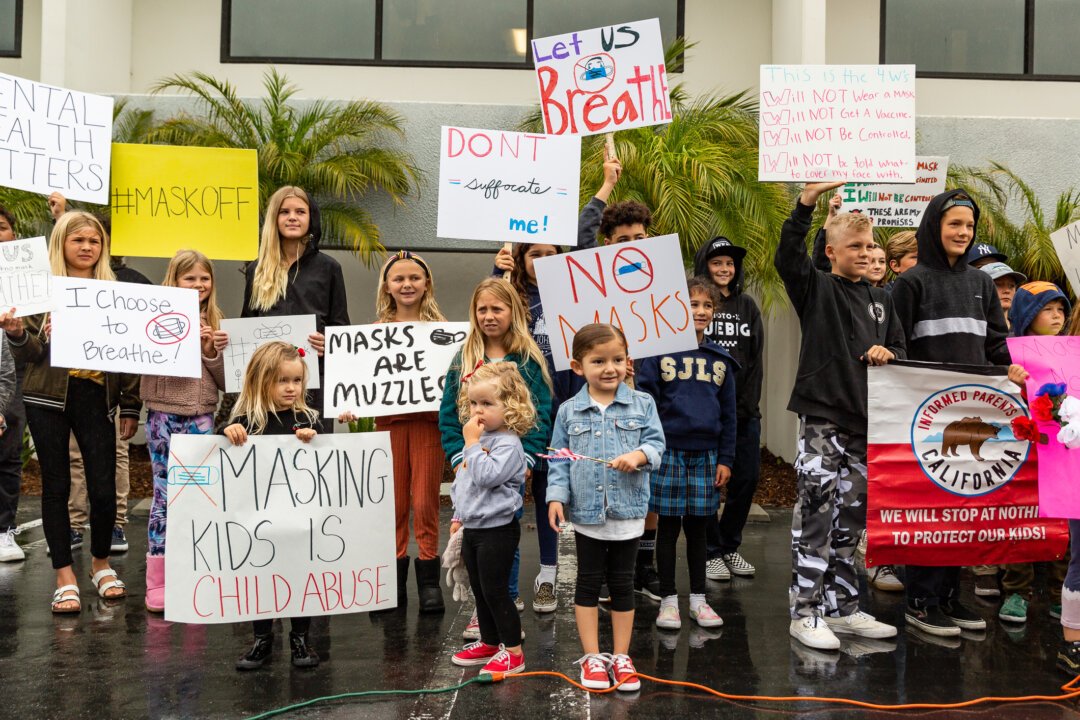
In a political landscape increasingly defined by heated debates over classroom content and student policies, progressive candidates are finding new momentum in school board races across the country. The shift signals what policy experts describe as growing voter fatigue with culture war issues that have dominated educational discourse since the COVID-19 pandemic.

The changing tide was evident in recent elections like the one in Colorado’s Roaring Fork School District, where Elizabeth Cockrill Taylor launched her first campaign for a school board position in Glenwood Springs. Her experience highlighted both the intensity of current educational politics and the determination of candidates seeking change.
Cockrill Taylor’s campaign took an unexpected turn when her promotional materials became targets for theft. After discovering her campaign signs were repeatedly stolen from a high-traffic location, she devised a creative solution—planting two replacement signs equipped with concealed Air Tags to track the perpetrators.
This incident reflects the passionate engagement surrounding school board elections that has characterized the post-pandemic era. Communities nationwide have witnessed unprecedented attendance at school board meetings, with parents and activists on both sides of various issues making their voices heard on topics ranging from curriculum content to student safety protocols.
According to education policy analysts, the recent success of progressive candidates suggests a potential turning point in local educational politics. Voters appear to be shifting their focus from divisive cultural battles toward more traditional concerns such as academic achievement, school funding, and student support services.
The phenomenon extends beyond individual races, representing a broader recalibration of priorities as communities work to move past the polarization that has defined much of the educational debate in recent years. School districts are finding themselves at the center of efforts to balance diverse community values while maintaining focus on core educational objectives.
As these newly elected progressive board members prepare to take office, their campaigns have emphasized collaboration, evidence-based decision making, and inclusive policies that serve all students. The outcomes of these elections may signal a new chapter in American public education governance, one that prioritizes unity over division in the pursuit of educational excellence.
The success of candidates like Cockrill Taylor demonstrates that voters are increasingly seeking representatives who can navigate complex educational challenges while fostering environments where all students can thrive, regardless of the political winds that have shaped recent educational discourse.