













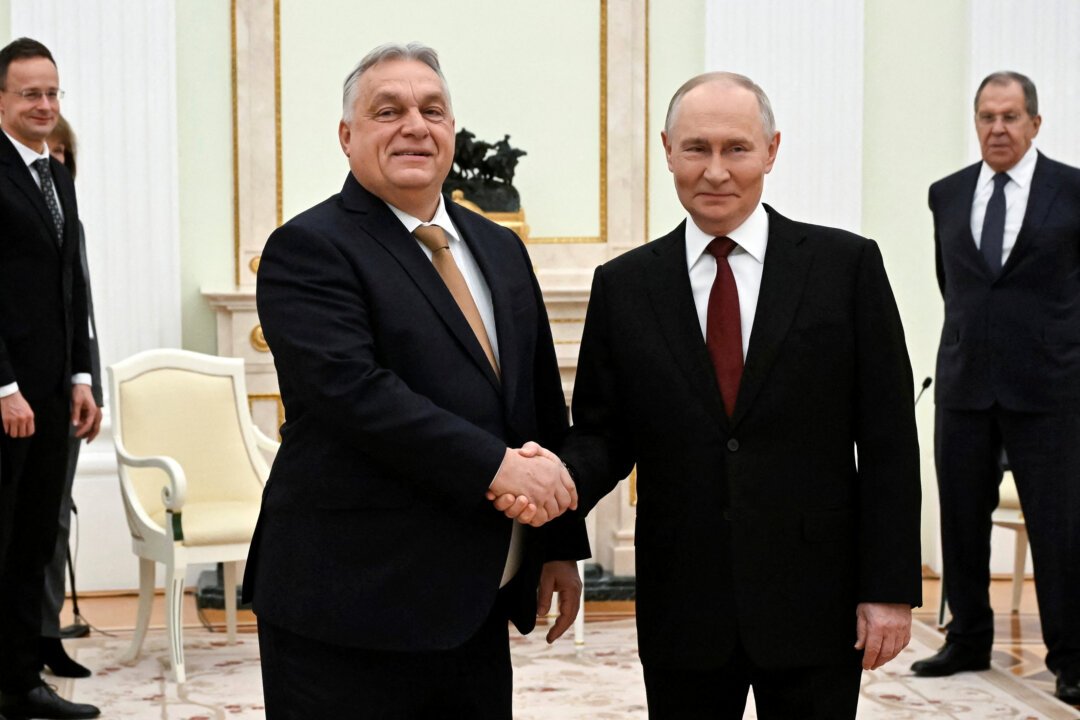
In a significant diplomatic encounter that underscores the complex geopolitical dynamics of Eastern Europe, Hungarian Prime Minister Viktor Orban traveled to Moscow on November 28 for high-stakes discussions with Russian President Vladimir Putin, focusing on critical energy partnerships and potential diplomatic breakthroughs.

The meeting, which marked the 14th face-to-face encounter between these two leaders, centered on securing Hungary’s energy future through continued crude oil and natural gas supplies from Russia. This ongoing energy relationship has remained a cornerstone of Hungarian-Russian relations despite broader European Union tensions with Moscow.
In a notable diplomatic development during their talks, Putin expressed openness to the possibility of Budapest serving as the host city for a future summit between Russia and the United States under President Donald Trump’s administration. This proposal positions Hungary as a potential bridge between East and West, capitalizing on Orban’s unique position within the European Union as a leader who has maintained working relationships with both Moscow and Washington.
The timing of this Moscow summit carries particular significance as Europe continues to grapple with energy security concerns and as the international community watches for potential shifts in U.S.-Russia diplomatic engagement under the Trump presidency. Orban’s willingness to facilitate such high-level diplomatic discussions demonstrates Hungary’s strategic approach to maintaining its energy interests while positioning itself as a neutral venue for international dialogue.
This latest meeting reinforces the enduring nature of the Putin-Orban relationship, which has persevered through various international crises and sanctions regimes. The frequency of their encounters – now totaling fourteen meetings – highlights the practical importance both leaders place on maintaining direct communication channels, particularly regarding energy cooperation that remains vital to Hungary’s economic stability.
The discussion of hosting a U.S.-Russia summit represents a potentially significant diplomatic opening, with Budapest’s central European location and Orban’s established relationships with both superpowers making it a logical choice for such sensitive negotiations. As global attention focuses on possible diplomatic solutions to ongoing international tensions, Hungary’s offer to serve as a neutral meeting ground could prove instrumental in facilitating future dialogue between Washington and Moscow.