



























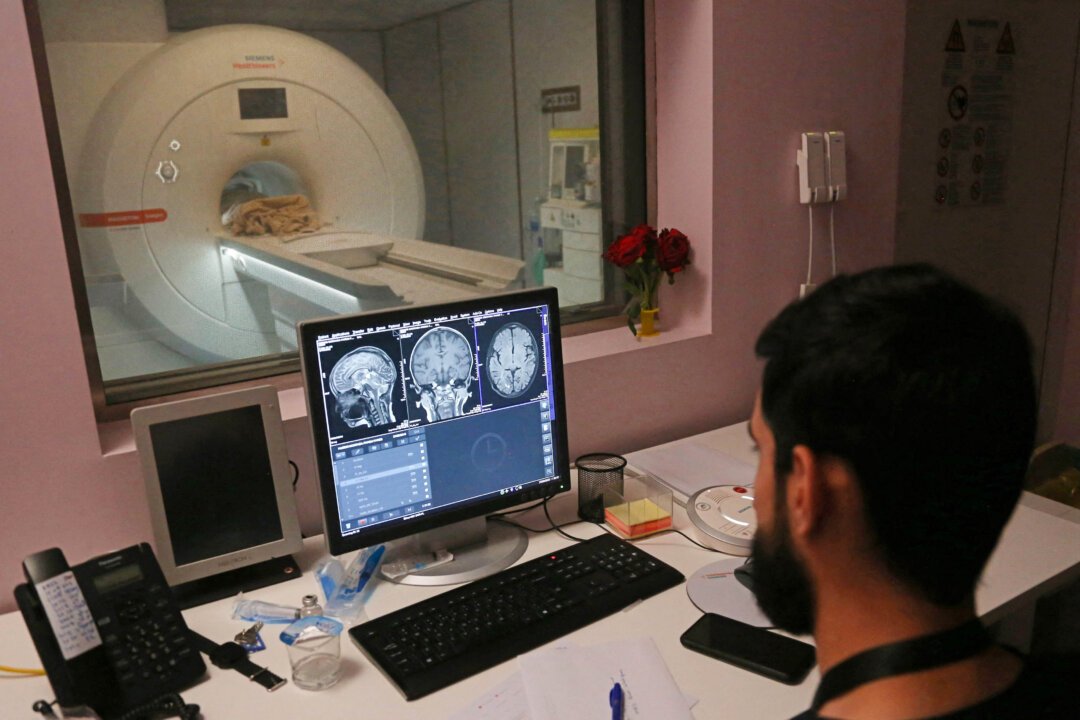
Groundbreaking new research has identified five pivotal moments in human development when the brain undergoes dramatic structural and functional changes, offering unprecedented insights into how our minds evolve throughout our lifetime.

Scientists from the University of Cambridge and University of Pittsburgh have pinpointed these transformative periods, which they’ve termed “major epochs,” occurring around ages 9, 32, 66, and 83. The comprehensive study, published November 25 in Nature Communications, represents one of the most extensive analyses of brain development across the human lifespan.
The research team examined brain structure data from participants spanning multiple decades of life, utilizing advanced neuroimaging techniques to map the intricate changes that occur within our neural networks. Their findings challenge previous assumptions about brain development being a gradual, continuous process.
The Five Major Brain Epochs Explained
The first major transition occurs around age 9, coinciding with critical childhood developmental milestones. During this period, the brain undergoes significant reorganization as children develop more sophisticated cognitive abilities and social awareness. This epoch marks the transition from early childhood brain patterns to more mature neural configurations.
The second transformation happens around age 32, when the adult brain reaches what researchers consider peak structural maturity. This period often corresponds with major life decisions regarding career, relationships, and family planning, suggesting the brain may be optimizing itself for complex adult responsibilities.
Perhaps most intriguingly, the study identified a significant shift around age 66, traditionally associated with retirement age. This transition may reflect the brain’s adaptation to changing social roles and cognitive demands as individuals enter their later years.
The final identified epoch occurs around age 83, representing what researchers believe is the brain’s adjustment to advanced aging processes. Understanding this transition could prove crucial for developing interventions to maintain cognitive health in the elderly population.
Revolutionary Research Methodology
The neuroscientists employed sophisticated brain imaging technologies to analyze structural changes across different age groups. Their methodology involved examining thousands of brain scans, creating a comprehensive map of how neural architecture evolves throughout human development.
Unlike previous studies that focused on specific age ranges or isolated brain regions, this research took a holistic approach, examining the entire brain across the complete human lifespan. The team’s innovative analytical techniques allowed them to identify subtle but significant changes that previous research had missed.
Implications for Mental Health and Aging
These findings could revolutionize how medical professionals approach brain health and age-related cognitive changes. By understanding when the brain naturally undergoes major transitions, healthcare providers may be better equipped to distinguish between normal developmental changes and pathological conditions.
The research also opens new avenues for targeted interventions during these critical periods. Mental health professionals could potentially optimize treatment strategies by aligning therapeutic approaches with the brain’s natural transformation cycles.
For individuals concerned about cognitive aging, this study provides reassuring evidence that brain changes throughout life are part of normal development rather than inevitable decline. The identification of these epochs suggests the brain remains remarkably adaptive, even in advanced age.
Future Research Directions
The Cambridge and Pittsburgh research teams plan to expand their investigation to examine how lifestyle factors, education, and health conditions might influence these major brain epochs. Future studies will also explore whether these transitions occur universally across different populations and cultures.
Scientists are particularly interested in understanding how modern lifestyle changes, including increased life expectancy and evolving social structures, might be affecting these natural brain development patterns.
This landmark study represents a significant leap forward in neuroscience, providing a new framework for understanding human brain development that could influence everything from educational approaches to elderly care strategies. As research continues, these five major epochs may become fundamental markers for assessing brain health throughout the human lifespan.