













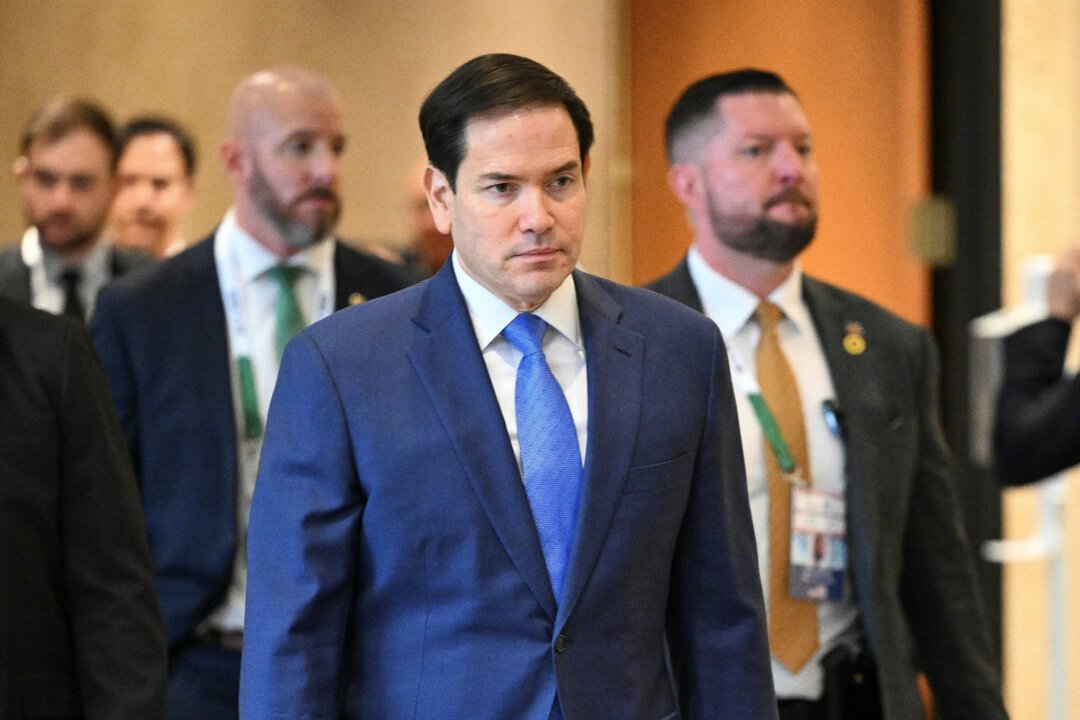
Secretary of State Marco Rubio moved swiftly to counter mounting criticism of the Trump administration’s latest diplomatic initiative, firmly disputing claims that the president’s peace plan for Ukraine essentially serves Russian interests.

In a pointed statement posted on X Saturday evening, Rubio made clear the administration’s position: “The peace proposal was authored by the U.S.” The declaration came as political observers and international relations experts questioned whether the 28-point framework favored Moscow’s strategic objectives over Ukrainian sovereignty.
The timing of Rubio’s clarification appears deliberate, arriving just as debates intensify over America’s evolving approach to the protracted conflict that has reshaped European security dynamics since February 2022. Critics had characterized the proposal as resembling a “wish list for Russia,” prompting the Secretary of State’s direct rebuttal.
According to administration sources, the comprehensive peace framework incorporates perspectives from both Russian and Ukrainian negotiating positions, suggesting a diplomatic balancing act designed to create viable pathways toward conflict resolution. The 28-point structure represents months of behind-the-scenes diplomatic engagement, though specific details of the proposal remain closely guarded.
Rubio’s public pushback underscores the administration’s sensitivity to accusations of appeasing Russian President Vladimir Putin while potentially undermining Ukrainian President Volodymyr Zelenskyy’s government. The Secretary of State’s emphasis on American authorship aims to position the United States as an honest broker rather than a party favoring either combatant.
The peace initiative emerges at a critical juncture in the conflict, with both sides having sustained significant military and economic losses over nearly three years of warfare. International diplomatic efforts have repeatedly stalled, making any credible peace framework a potential breakthrough in ending Europe’s largest military confrontation since World War II.
Political analysts suggest Rubio’s clarification reflects broader administration concerns about maintaining bipartisan support for diplomatic solutions while avoiding perceptions of weakness in confronting Russian aggression. The delicate messaging challenge involves demonstrating American leadership in conflict resolution without appearing to reward Putin’s territorial ambitions.
As diplomatic initiatives continue developing, the administration faces mounting pressure from Congress and European allies to ensure any peace agreement preserves Ukrainian territorial integrity while addressing legitimate security concerns from all parties involved in the negotiations.