


























Tensions between Russia and NATO escalated on December 1st after Moscow sharply criticized remarks by the alliance’s top military commander regarding potential preemptive military action against Russian hybrid warfare operations.

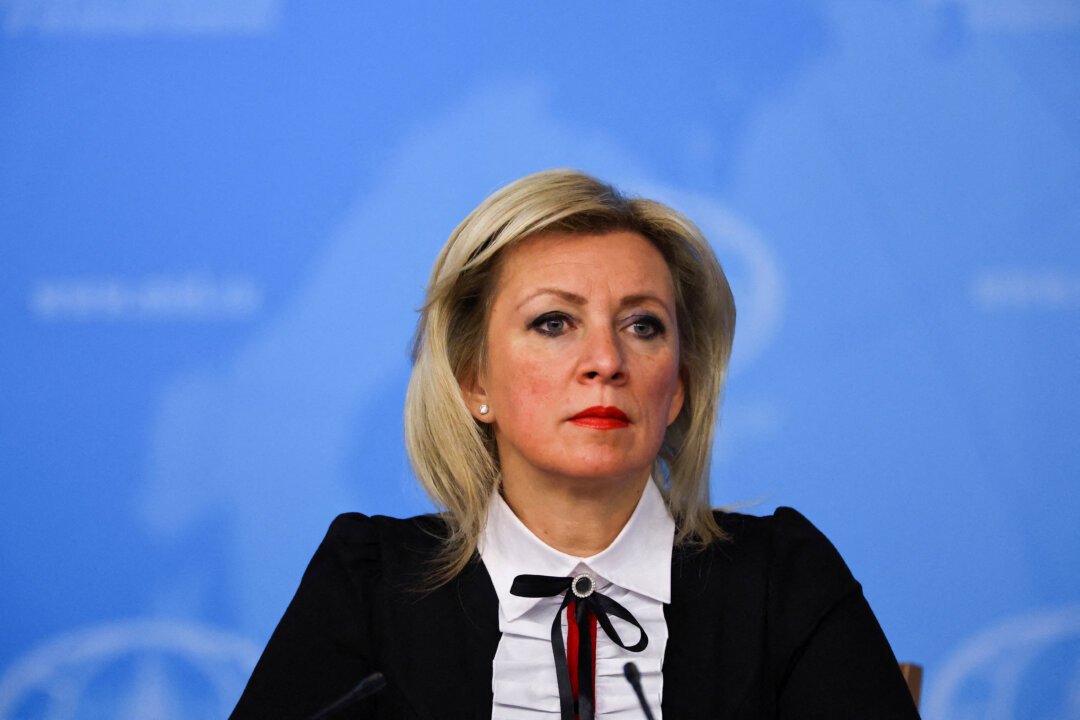
Russian Foreign Ministry spokeswoman Maria Zakharova delivered a scathing response to comments made by Italian Navy Admiral Giuseppe Cavo Dragone, who chairs NATO’s military committee. The admiral had suggested earlier that day that the Western military alliance was contemplating a “more aggressive” stance against what he characterized as hybrid warfare tactics emanating from Moscow.
Zakharova denounced Dragone’s statements about considering a “preemptive strike” as “extremely irresponsible,” marking another escalation in the war of words between Russia and NATO. The Russian diplomat accused the Atlantic alliance of deliberately stoking anti-Russian sentiment and manufacturing hysteria about an imminent attack by Moscow.
The exchange highlights the deteriorating relations between Russia and NATO amid ongoing concerns about unconventional warfare tactics. Hybrid warfare typically encompasses a range of activities including cyberattacks, disinformation campaigns, economic pressure, and other non-traditional military methods designed to destabilize adversaries without triggering conventional military responses.
Admiral Dragone’s comments represent a notable shift in NATO’s public discourse, suggesting the alliance is moving beyond purely defensive postures to consider more proactive measures. However, the specific nature and scope of any potential preemptive actions were not detailed in his remarks.
This diplomatic spat occurs against a backdrop of heightened tensions across Europe, with both sides accusing each other of aggressive behavior and destabilizing activities. Russia’s swift condemnation of the NATO official’s statements underscores Moscow’s sensitivity to what it perceives as threatening rhetoric from the Western military alliance.
The incident adds another layer of complexity to the already strained relationship between Russia and NATO, as both sides continue to engage in increasingly pointed exchanges about military doctrine and strategic intentions in the European theater.