













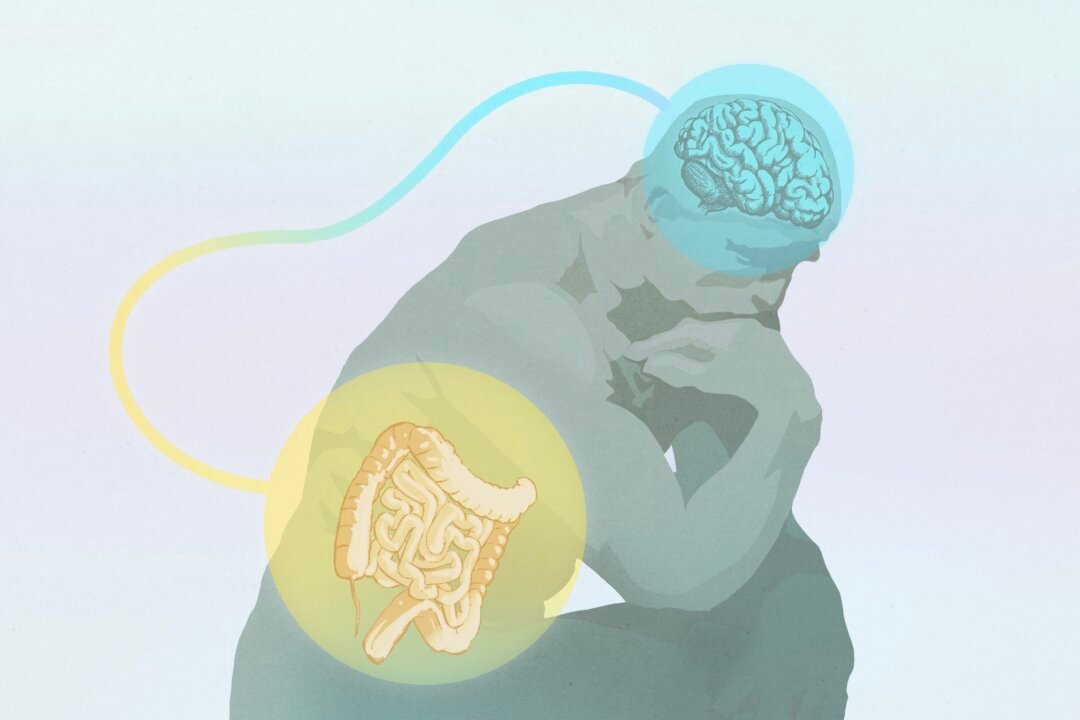
That sudden flash of insight when you meet someone new. The inexplicable certainty that you should avoid a particular route home. The immediate sense that something isn’t quite right, even when everything appears normal on the surface. These moments of knowing without logical reasoning have puzzled humanity for centuries, but modern science is finally beginning to unravel the mystery behind our so-called “gut feelings.”

Far from being mystical or supernatural, intuition represents one of the most sophisticated forms of human intelligence—a complex cognitive process that operates almost entirely below the threshold of conscious awareness. While we experience intuitive insights as sudden flashes of knowledge, researchers now understand that these moments are actually the result of our brains rapidly processing vast amounts of information and arriving at conclusions faster than our conscious minds can follow.
Every day, our brains absorb millions of pieces of sensory data, from subtle changes in facial expressions to minute variations in tone of voice, from barely perceptible environmental cues to patterns we’ve encountered countless times before. Most of this information never reaches our conscious attention, yet our subconscious minds are constantly analyzing, categorizing, and drawing connections between these data points.
When we experience what we call intuition, our brains have essentially completed a lightning-fast analysis of available information and arrived at a conclusion—but the processing happened so quickly and at such a deep level that we’re only aware of the final result, not the complex reasoning that led us there. This is why intuitive insights often feel like they come from nowhere, appearing fully formed in our consciousness without any apparent logical foundation.
The phenomenon becomes even more remarkable when we consider that our brains are drawing upon years, even decades, of accumulated experience and pattern recognition. That uncomfortable feeling about a stranger might stem from subtle behavioral cues that your subconscious has learned to associate with danger or deception. The hunch about which route to take home could be based on barely noticed traffic patterns, weather changes, or timing factors that your conscious mind hasn’t explicitly processed.
Research in cognitive science has shown that this rapid, unconscious processing can often lead to surprisingly accurate judgments and decisions. In many cases, our intuitive responses prove to be more reliable than deliberate, analytical thinking—particularly in situations where we have extensive experience or when dealing with complex social dynamics.
Understanding intuition as a form of sophisticated, unconscious intelligence rather than mystical insight doesn’t diminish its value. Instead, this scientific perspective helps us appreciate just how remarkable our brains truly are, constantly working behind the scenes to keep us informed, protected, and guided through the complexities of daily life. The next time you experience that inexplicable sense of knowing, you can trust that your brain has been working overtime to provide you with that crucial insight.