













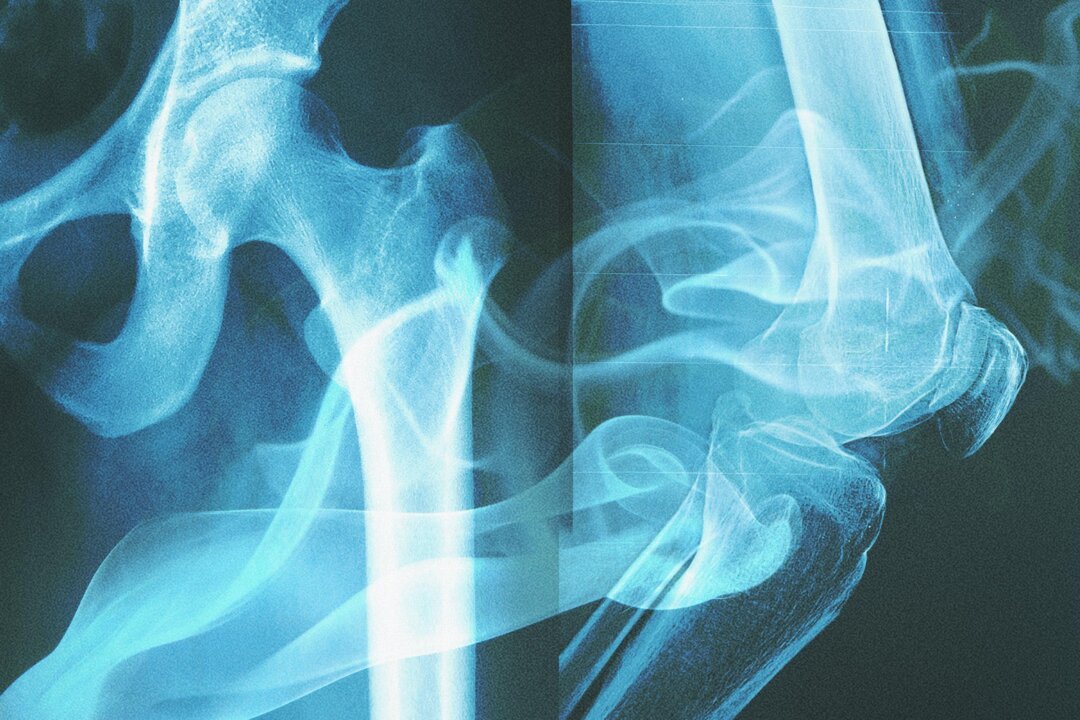
In a groundbreaking discovery that sounds like something from a science fiction novel, researchers have found that every cigarette you smoke leaves an indelible mark on your bones—one that can be detected centuries after death. This remarkable finding is revolutionizing our understanding of how smoking and environmental pollution affect human health across generations.

A team of scientists from the University of Leicester in the United Kingdom has made headlines with their extraordinary research, published in the prestigious journal Science Advances. Their study reveals that smokers carry unique molecular signatures embedded deep within their bone structure, creating what researchers are calling a “smoking memory” that persists long after the individual has passed away.
The implications of this discovery extend far beyond academic curiosity. By examining ancient remains, scientists are now able to piece together a comprehensive picture of how tobacco use—and by extension, environmental pollutants—have impacted human bone health throughout history.
Unlocking Secrets from the Past
The research team embarked on an ambitious archaeological investigation, meticulously analyzing 323 ancient human remains that span an incredible timeframe from the 12th to the 19th centuries. This carefully selected sample provided researchers with a unique window into human health both before and after tobacco’s dramatic introduction to Europe and its subsequent rise to widespread popularity in Britain.
What makes this study particularly compelling is its scope and historical significance. The researchers were able to trace the molecular impact of smoking habits across different eras, creating a timeline that shows how tobacco use literally changed the composition of human bones over centuries.
The scientific process involved sophisticated molecular analysis techniques that can detect microscopic changes in bone structure caused by smoking. These changes create distinct patterns that remain stable even after burial in various soil conditions for hundreds of years.
The Science Behind Bone Memory
The concept of bones “remembering” cigarettes might sound mystical, but it’s rooted in solid biochemistry. When individuals smoke, the toxic compounds from cigarettes enter their bloodstream and eventually become incorporated into their bone matrix. This process creates permanent alterations in the bone’s molecular structure that serve as an unmistakable fingerprint of tobacco exposure.
These molecular signatures are so distinctive and durable that they survive the natural decomposition process, remaining detectable even in skeletal remains that have been buried for centuries. This discovery opens up entirely new avenues for both historical research and modern medical understanding.
Broader Implications for Health Research
This breakthrough research has significant implications that extend well beyond historical curiosity. The findings suggest that the impact of smoking on bone health is far more profound and long-lasting than previously understood. This could lead to new approaches in diagnosing and treating bone-related health issues in current and former smokers.
Furthermore, the methodology developed for this study could potentially be applied to detect other environmental pollutants and their long-term effects on human health. This could provide valuable insights into how modern environmental factors are affecting our bodies at the molecular level.
The research also highlights the importance of bone health in the context of smoking cessation programs. Understanding that smoking creates permanent changes in bone structure could serve as a powerful motivator for individuals considering quitting tobacco use.
As scientists continue to refine these detection techniques, we may soon have new tools for understanding the full scope of environmental health impacts on human populations, both past and present. This remarkable discovery proves that our bones serve not just as the framework for our bodies, but as permanent historical records of the choices we make and the environments we live in.