













A comprehensive seven-year investigation into one of the most brazen acts of state-sponsored terrorism on British soil has reached a definitive conclusion: Russian President Vladimir Putin personally authorized the 2018 Novichok poisoning attack that claimed an innocent life and sent shockwaves through the international community.

The Dawn Sturgess Inquiry, which concluded its 14-month public examination on December 4, has delivered a damning verdict that directly implicates the Kremlin’s highest office in orchestrating the chemical weapon assault. The attack, originally targeting former Russian double agent Sergei Skripal, tragically killed 44-year-old Dawn Sturgess, an unintended victim who became collateral damage in Putin’s alleged vendetta.
Lord Anthony Hughes, who chaired the inquiry, systematically dismantled alternative theories that had circulated since the March 2018 incident rocked the quiet cathedral city of Salisbury. His findings categorically reject suggestions that the attack was either a “staged operation” by British intelligence services or an unauthorized mission carried out by rogue Russian operatives acting independently.
The investigation’s conclusions rest on meticulous analysis of evidence gathered over nearly a decade, painting a picture of a calculated assassination attempt that bore all the hallmarks of state authorization. The use of Novichok, a military-grade nerve agent developed in Soviet laboratories and closely guarded by Russian intelligence, provided investigators with crucial forensic evidence linking the attack directly to Moscow.
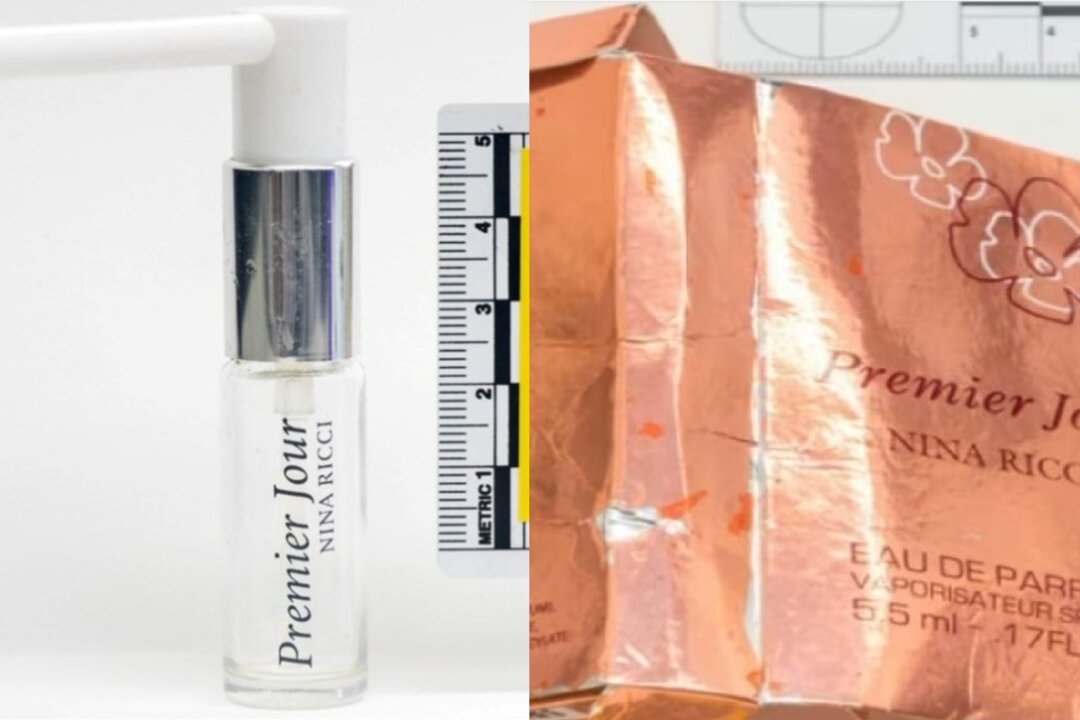
Dawn Sturgess became an unwitting casualty of international espionage when she encountered a discarded perfume bottle containing the lethal substance on July 8, 2018. The seemingly innocent cosmetic container, complete with fake Nina Ricci packaging, had been used months earlier in the attempted assassination of Skripal and his daughter Yulia in the same area.
The inquiry’s findings represent the culmination of one of the most complex international investigations in recent memory, involving multiple intelligence agencies, forensic specialists, and diplomatic channels. The case has had far-reaching implications for UK-Russia relations and has been cited as a prime example of the Kremlin’s willingness to use banned chemical weapons on foreign soil.
The Skripal poisoning marked a significant escalation in what intelligence experts describe as Putin’s campaign against perceived traitors and dissidents. Sergei Skripal, a former GRU military intelligence officer, had been exchanged in a prisoner swap in 2010 after serving time for spying for Britain, making him a prime target for retribution.
Metropolitan Police evidence presented during the inquiry revealed the sophisticated nature of the operation, with surveillance footage tracking the movements of suspected Russian operatives who traveled to the UK using false identities. The investigation identified these individuals as members of Russia’s GRU military intelligence service, operating under deep cover.
The inquiry’s conclusions carry significant weight beyond the immediate case, as they provide official confirmation of what many Western intelligence agencies had long suspected. The findings are expected to influence ongoing discussions about international responses to state-sponsored terrorism and the use of prohibited chemical weapons.
For Dawn Sturgess’s family, the inquiry represents a long-awaited official acknowledgment of the circumstances that led to their loss. The 44-year-old mother’s death highlighted the indiscriminate nature of chemical weapons and the risks posed to innocent civilians when nations resort to such tactics on foreign soil.
The publication of the Dawn Sturgess Inquiry report marks the end of a comprehensive legal process that has provided unprecedented insight into modern state-sponsored assassination attempts. Its findings stand as a testament to the painstaking work of investigators who spent seven years piecing together evidence from one of the most significant espionage incidents of the 21st century.