



























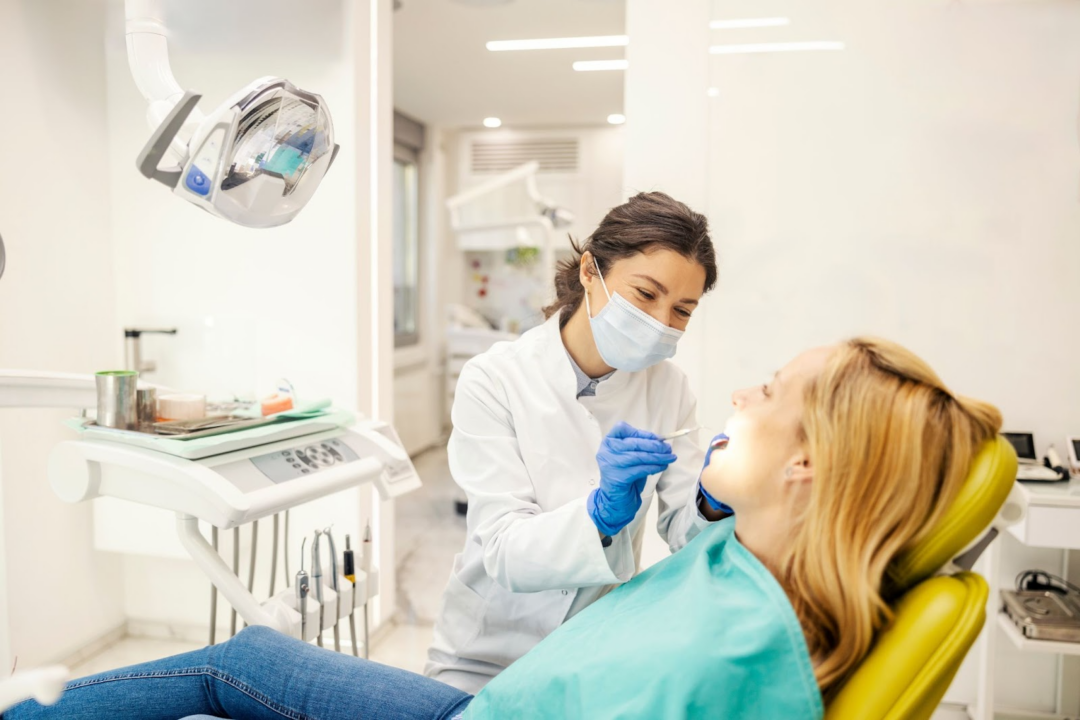
When was the last time you sat in a dentist’s chair for a routine cleaning? If you’re like many Americans who postponed dental care during the pandemic, the answer might be longer than you’d care to admit. But here’s what most people don’t realize: the consequences of skipped dental appointments extend far beyond cavities and bad breath.

Dr. Yuan Chia-hung, clinical assistant professor at the New York University College of Dentistry, has witnessed firsthand the troubling aftermath of delayed dental care. Speaking on NTDTV’s “Health 1+1” program, he described a concerning pattern among returning patients.
“Pain is often the last sign that something is wrong with your teeth—not the first,” Dr. Yuan explained. “Dental problems grow silently. By the time it hurts, the damage is usually advanced.”
The patients flooding back into his practice weren’t coming in for routine cleanings. They were arriving with loose teeth, unbearable pain, and damage that could have been prevented with regular care. What many discovered was that their oral health problems had been developing quietly for months or even years.
The Silent Progression of Dental Disease
Dental issues are master deceeivers. Unlike a broken bone or a skin wound, problems in your mouth often develop without obvious warning signs. Cavities that appear white can easily blend in with healthy tooth enamel, making them virtually undetectable to the untrained eye. Tartar buildup occurs in areas you simply cannot see or reach with regular brushing. Even gum disease, which can eventually lead to tooth loss, typically progresses without causing pain in its early stages.
Perhaps most alarming is what happens when these seemingly minor issues are left unchecked. The infection and inflammation can progress to the point where the jawbone itself begins to deteriorate and shrink—a condition that’s far more serious and expensive to treat than a simple cleaning would have been.
Beyond Your Mouth: The Whole-Body Connection
What makes skipped dental cleanings particularly concerning isn’t just what happens to your teeth—it’s what happens to the rest of your body. Research has established clear connections between oral health and overall wellness that go far beyond your smile.
Poor oral hygiene and gum disease contribute to chronic inflammation throughout the body. This systemic inflammation has been linked to elevated blood pressure, increased risk of heart disease, and complications with diabetes management. The bacteria that flourish in an unhealthy mouth don’t stay there—they can enter the bloodstream and affect other organs and systems.
For individuals with existing health conditions, neglected oral health can compound existing problems and make management more difficult. This is why many cardiologists now specifically ask patients about their dental care routine and encourage regular cleanings as part of heart health maintenance.
Prevention Remains the Best Medicine
Dr. Yuan emphasizes that regular dental cleanings are not cosmetic procedures—they’re essential preventive medicine. Professional cleanings remove tartar and plaque that home brushing and flossing simply cannot eliminate. They also provide an opportunity for early detection of problems when they’re still manageable and affordable to treat.
During a routine cleaning and examination, dental professionals can spot hairline cracks, early-stage cavities, signs of grinding or clenching, and gum inflammation before these issues progress to more serious stages. What might require a simple filling today could necessitate a root canal, crown, or even tooth extraction if left untreated.
Getting Back on Track
If you’ve fallen behind on dental care, you’re not alone—and it’s not too late to get back on track. The key is not waiting until you experience pain or obvious problems. Schedule that overdue cleaning and examination, even if you’re feeling anxious about what the dentist might find.
Most dental professionals understand that many patients delayed care during the pandemic and are prepared to work with you on addressing any issues that may have developed. They can also provide guidance on improving your at-home oral care routine to prevent future problems.
Remember, those routine cleanings every six months aren’t just about keeping your teeth white—they’re about protecting your overall health, preventing painful and expensive problems, and maintaining your quality of life. Your mouth is the gateway to your body, and keeping it healthy is an investment in your long-term wellness that pays dividends far beyond your dental bills.