













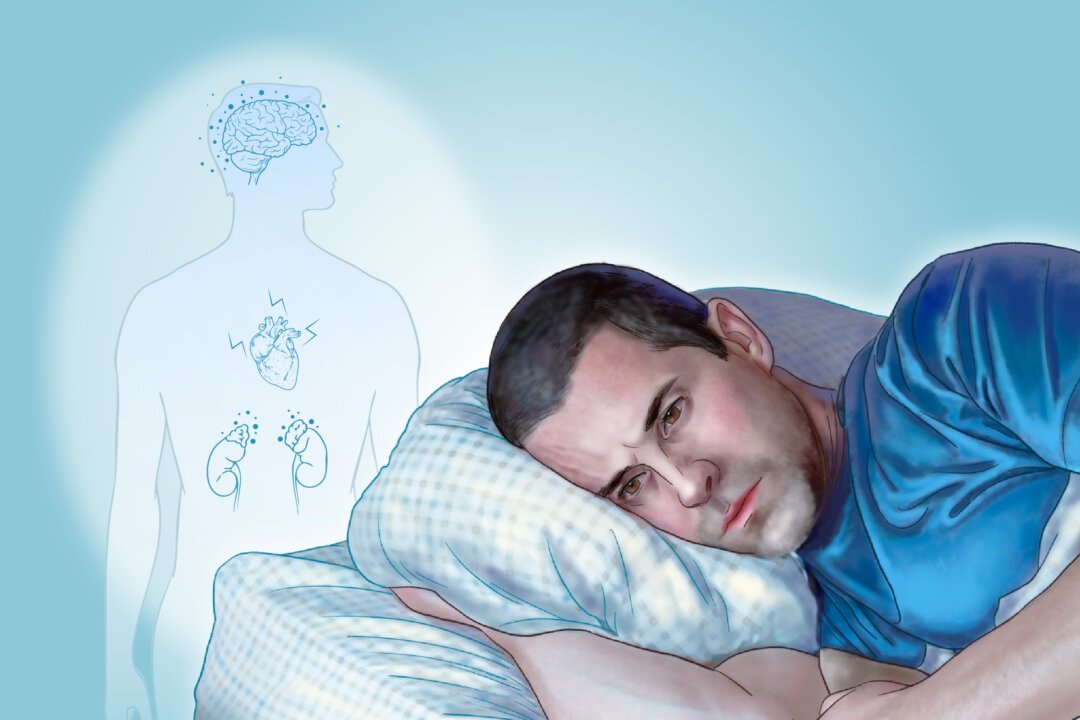
A silent health crisis is unfolding in bedrooms across America, affecting nearly one in three adults who struggle with sleep disorders that extend far beyond simply counting hours of rest. Recent medical data reveals that while 10 percent of American adults suffer from chronic insomnia, an additional 20 percent experience intermittent symptoms that can significantly impact their daily lives and long-term health.

The pervasive nature of sleep disorders has created what medical experts are calling an underrecognized epidemic. Unlike more obvious health conditions that present visible symptoms, insomnia operates largely beneath the surface, making it easy for both patients and healthcare providers to overlook its serious implications.
The Hidden Nature of Sleep Disorders
“Unlike more visible or acute illnesses, the effects of insomnia are primarily internal; thus, many people dismiss it as a normal part of life,” explains the growing concern among sleep medicine specialists who are witnessing increasing numbers of patients seeking help for sleep-related issues.
This internal manifestation of symptoms creates a unique challenge in the medical community. While a broken bone or skin condition provides immediate visual evidence of a health problem, insomnia sufferers often endure years of diminished quality of life before recognizing their condition as a legitimate medical concern requiring professional intervention.
Beyond Sleep Duration: Understanding the Full Spectrum
Medical professionals emphasize that insomnia encompasses far more than simply getting insufficient hours of sleep. The condition manifests through various patterns and symptoms that can affect individuals differently, making it crucial for people to understand the full spectrum of sleep disorders.
The misconception that insomnia only relates to sleep quantity has led many Americans to suffer in silence, attributing their symptoms to stress, aging, or lifestyle factors rather than recognizing them as treatable medical conditions. This perspective has contributed to the widespread underdiagnosis and undertreatment of sleep disorders across the United States.
Rising Awareness and Medical Recognition
Healthcare providers are increasingly recognizing the need for better education and awareness around sleep disorders. The medical community has begun implementing more comprehensive screening processes and treatment approaches that address the complex nature of insomnia and its various manifestations.
As research continues to unveil the extensive health implications of untreated sleep disorders, medical professionals are calling for increased public awareness and earlier intervention strategies. The goal is to help the millions of Americans currently struggling with sleep issues to seek appropriate medical care before their conditions lead to more serious health complications.
This growing recognition of insomnia as a serious medical condition rather than a lifestyle inconvenience marks a significant shift in how both healthcare providers and patients approach sleep health, potentially improving outcomes for the 30 percent of Americans currently affected by various forms of sleep disorders.