


























American small business confidence has reached unprecedented heights, climbing above its 52-year average despite weathering a prolonged 43-day federal government shutdown, according to Kelly Loeffler, administrator of the Small Business Administration (SBA).

Speaking in a November 28 interview with CNBC, Loeffler attributed this remarkable surge in business optimism to policy changes that have fundamentally shifted the economic landscape for entrepreneurs and small enterprise owners across the nation.
“That’s because President Trump’s agenda has created tailwinds for small businesses that we haven’t seen in four years,” she said.
The confidence boost comes at a critical time for America’s small business sector, which serves as the backbone of the national economy, employing millions of workers and driving innovation across countless industries. The fact that business sentiment has remained robust even while navigating the challenges of a government shutdown underscores the resilience of this vital economic segment.
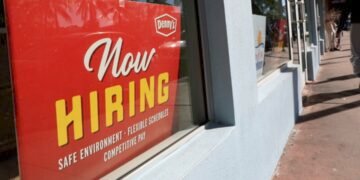
However, the positive outlook doesn’t mean small businesses are operating without challenges. According to Loeffler, the most pressing issue facing entrepreneurs today isn’t related to international trade policies or tariff concerns, but rather a more fundamental problem: finding qualified workers.
The administrator emphasized that the inability to hire skilled individuals has emerged as the primary obstacle for small business growth, overshadowing other potential concerns such as trade tariffs that have dominated economic headlines in recent years.
This skilled worker shortage reflects broader trends in the American labor market, where employers across various sectors have struggled to fill positions requiring specialized knowledge and experience. The challenge has become particularly acute for small businesses, which often lack the resources and brand recognition of larger corporations when competing for top talent.
The SBA’s assessment of small business confidence above its five-decade average represents a significant milestone for American entrepreneurship. This metric has long served as a bellwether for economic health, as small businesses are typically among the first to feel the effects of economic shifts, both positive and negative.
The sustained confidence levels suggest that despite ongoing challenges in the labor market and the disruption caused by the government shutdown, small business owners remain optimistic about their prospects and the broader economic environment in which they operate.