



























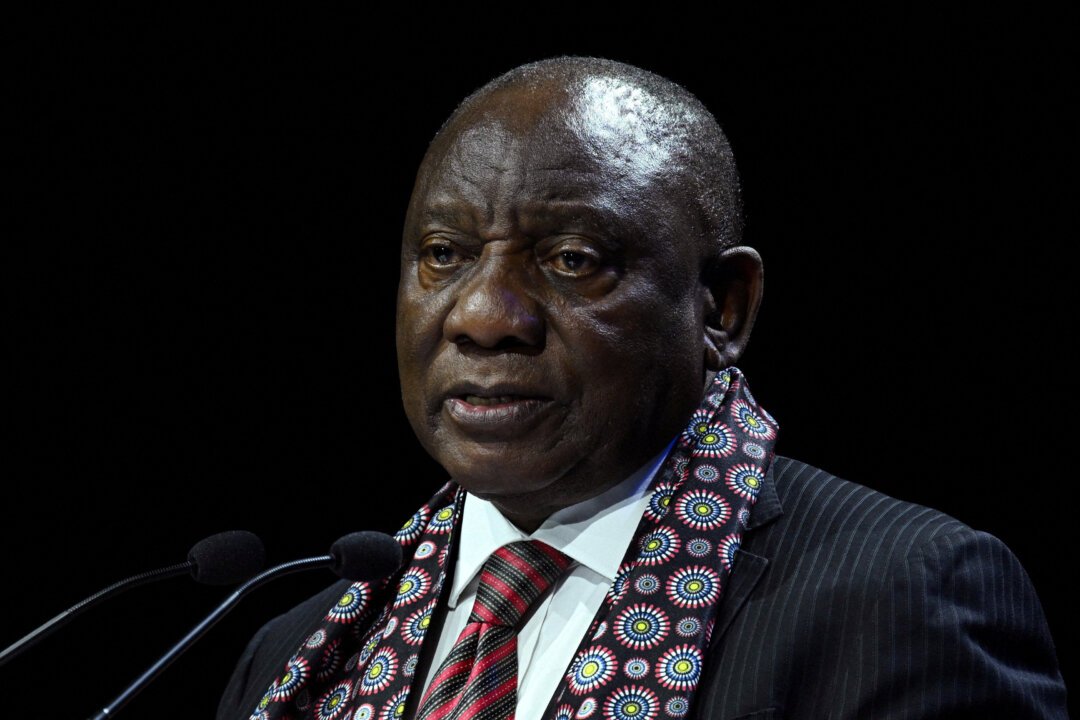
South African President Cyril Ramaphosa has firmly rejected President Donald Trump’s threats to exclude his nation from the upcoming G20 Summit, asserting South Africa’s permanent place at the table as a founding member of the influential economic forum.

The diplomatic tension escalated after Trump suggested disinviting South Africa from the 2026 G20 Summit, scheduled to take place in Doral, Florida. The U.S. president’s position stems from allegations of unaddressed human rights violations by the Pretoria government—claims that Ramaphosa continues to categorically deny.
Speaking to the nation on November 30 following the conclusion of the G20 summit in Johannesburg, Ramaphosa delivered a defiant message that underscored South Africa’s unwavering commitment to multilateral engagement.
“We will continue to participate as a full, active, and constructive member of the G20,” Ramaphosa declared, emphasizing his country’s foundational role in the group’s establishment.
The standoff highlights growing tensions between Washington and Pretoria over governance issues and human rights concerns. Trump’s administration has increasingly scrutinized South Africa’s domestic policies, while Ramaphosa’s government maintains that such criticisms are unfounded and politically motivated.
As a founding member of the G20, South Africa has historically played a significant role in representing African interests within the forum of major economies. The group, established in 1999, brings together the world’s largest developed and developing economies to discuss global financial stability and economic growth.
The dispute raises questions about the potential politicization of international economic forums and whether membership privileges can be threatened based on bilateral disagreements. South Africa’s position as the sole African representative among the G20’s permanent members makes its participation particularly significant for continental representation in global economic discussions.
The Miami summit, set for 2026, will test whether diplomatic tensions can override established multilateral frameworks. Ramaphosa’s firm stance suggests South Africa has no intention of stepping back from its international commitments, regardless of pressure from Washington.
This diplomatic friction comes at a time when global economic cooperation faces numerous challenges, from trade disputes to climate change financing—issues where South Africa’s voice has traditionally provided crucial perspective from the Global South.