
























Black Friday coffee runs took an unexpected turn as thousands of Starbucks workers walked off the job in a coordinated strike that has now spread to 85 cities across the United States, potentially leaving caffeine-craving shoppers scrambling for their holiday fuel.

The labor action, dubbed the “Red Cup Rebellion” by organizers, has escalated dramatically since its inception on November 13. What began as a targeted protest has mushroomed into one of the coffee giant’s most significant labor challenges, with 2,500 union baristas at 120 locations joining picket lines on the year’s biggest shopping day.
According to Starbucks Workers United, the union representing the striking employees, the walkout expanded from 65 cities on November 20 to encompass 85 metropolitan areas by Black Friday. The timing appears strategic, targeting one of the busiest shopping days when foot traffic and beverage sales typically surge.
The escalating dispute centers on fundamental workplace issues that have remained unresolved for months. Union representatives report that Starbucks management has failed to present new proposals addressing critical concerns about staffing levels and compensation since workers rejected a company offer back in April.
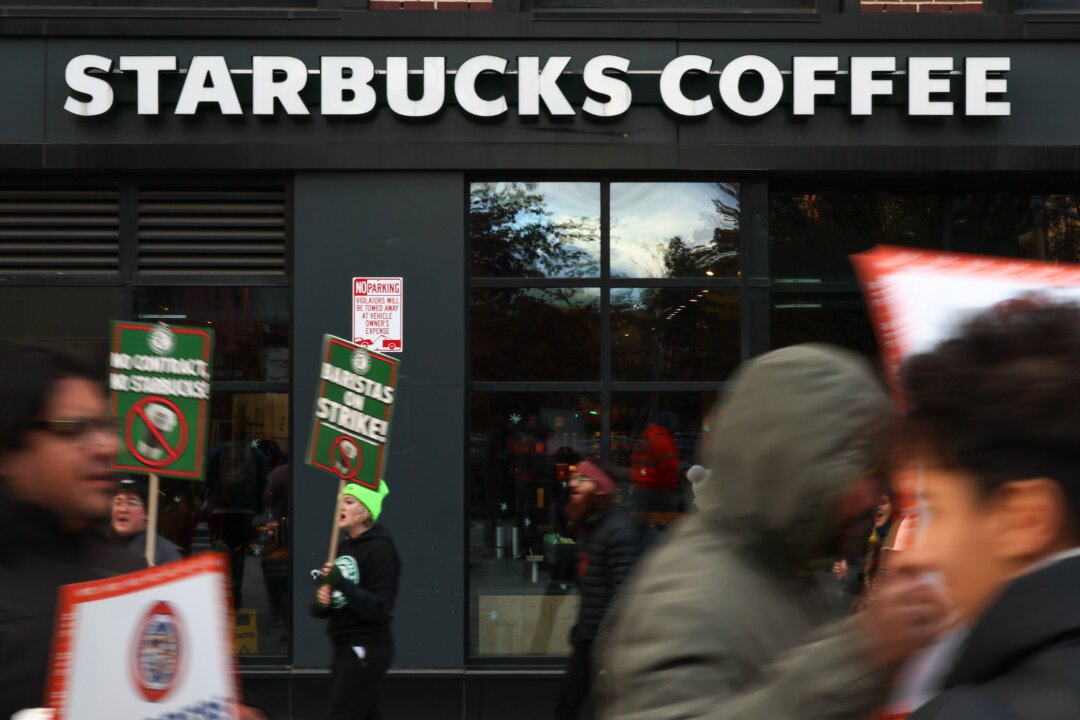
The strike’s visual impact has been unmistakable, with workers forming picket lines outside stores in major metropolitan areas. In Brooklyn, New York, striking employees were photographed carrying signs and chanting outside a Starbucks location, creating scenes that have become increasingly common across the country over the past two weeks.
For holiday shoppers accustomed to grabbing their favorite seasonal beverages while navigating crowded malls and shopping centers, the strike has created unexpected disruptions. Popular drinks like pumpkin spice lattes and caramel frappuccinos have become casualties of the labor dispute, with affected locations either closed or operating with significantly reduced service.
The “Red Cup Rebellion” moniker reflects both the company’s iconic branding and the workers’ determination to secure better working conditions. The name has gained traction on social media, where supporters have been sharing images of picket lines and solidarity messages.
The strike’s expansion coincides with Starbucks’ traditionally busy holiday season, when the company typically sees increased customer traffic and higher sales volumes. The coffee chain’s seasonal menu items and holiday-themed merchandise usually drive significant revenue during this period, making the timing particularly challenging for the company.
Union organizers have emphasized that the work stoppage represents more than just a negotiation tactic—it’s a statement about worker dignity and fair treatment in one of America’s most recognizable service industries. The sustained nature of the protest, now stretching over two weeks, demonstrates the depth of worker frustration with current conditions.
As the strike continues to gain momentum, both customers and industry observers are watching closely to see how Starbucks management will respond to the growing pressure. The company’s handling of this labor challenge could set important precedents for worker relations not just within the coffee industry, but across the broader service sector.
The impact extends beyond inconvenienced customers, as the strike highlights ongoing tensions between corporate management and frontline workers in an industry where labor organizing has gained significant momentum in recent years.