













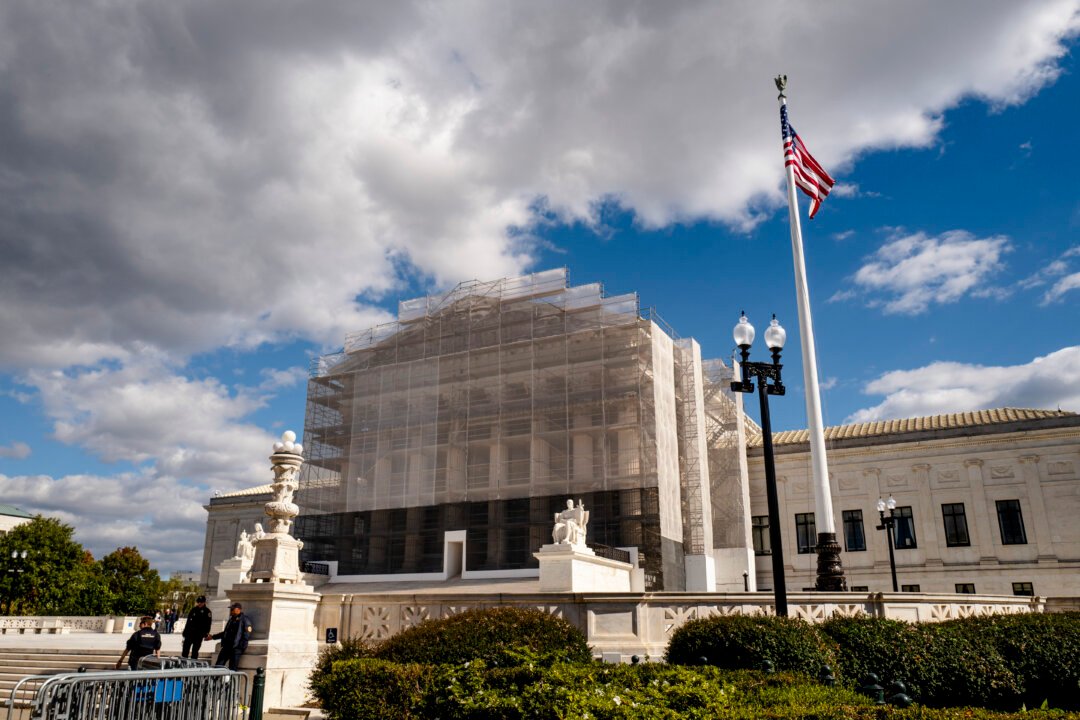
The United States Supreme Court prepares to tackle one of the most consequential campaign finance cases in recent memory, as justices hear arguments on December 9 challenging federal restrictions that limit how political parties coordinate spending with their candidates.

At the heart of this pivotal legal battle lies a fundamental constitutional question: Does the First Amendment’s protection of political speech outweigh concerns about corruption in American elections? The case has drawn significant attention from across the political spectrum, with Vice President JD Vance among those who brought the lawsuit challenging the existing law as unconstitutional.
The federal statute under scrutiny places strict boundaries on coordination between political parties and candidates during campaigns, rules that have governed election spending for decades. Challengers argue these restrictions represent an unconstitutional limitation on free speech rights, while defenders maintain the laws serve as essential guardrails against corruption and its appearance in the democratic process.
This case arrives at a time when campaign finance law faces unprecedented scrutiny, with political spending reaching record levels in recent election cycles. Legal experts suggest the Court’s decision could fundamentally alter how campaigns operate, potentially allowing for greater coordination between parties and candidates than currently permitted under federal law.
The timing proves particularly significant, as the ruling will likely influence campaign strategies for upcoming election cycles. Political parties on both sides of the aisle are closely monitoring the proceedings, understanding that the outcome could reshape their ability to support candidates and coordinate messaging efforts.
Those supporting the challenge contend that current restrictions create artificial barriers that limit effective political communication, arguing that such coordination represents core political speech deserving of robust First Amendment protection. They maintain that existing disclosure requirements provide sufficient transparency without the need for coordination limits.
Conversely, defenders of the current law emphasize that these restrictions serve crucial anti-corruption functions, preventing scenarios where unlimited coordination could create improper influence or the appearance of quid pro quo arrangements. They argue that some limitations on political speech remain constitutionally permissible when serving compelling government interests.
The Supreme Court’s decision in this matter will join a series of landmark campaign finance rulings that have shaped American electoral law over the past several decades. Previous decisions have generally favored expanding political speech rights while maintaining certain anti-corruption measures, though the balance between these competing interests continues to evolve.
As oral arguments approach, constitutional law scholars predict the case could produce one of the term’s most significant decisions, with implications extending far beyond campaign finance to broader questions about political speech in the digital age and the role of money in democratic processes.
The justices’ eventual ruling will likely influence not only federal campaigns but also state and local elections across the country, as many jurisdictions model their campaign finance laws on federal statutes. Political operatives, legal experts, and democracy advocates all await what promises to be a defining moment in American campaign finance law.