













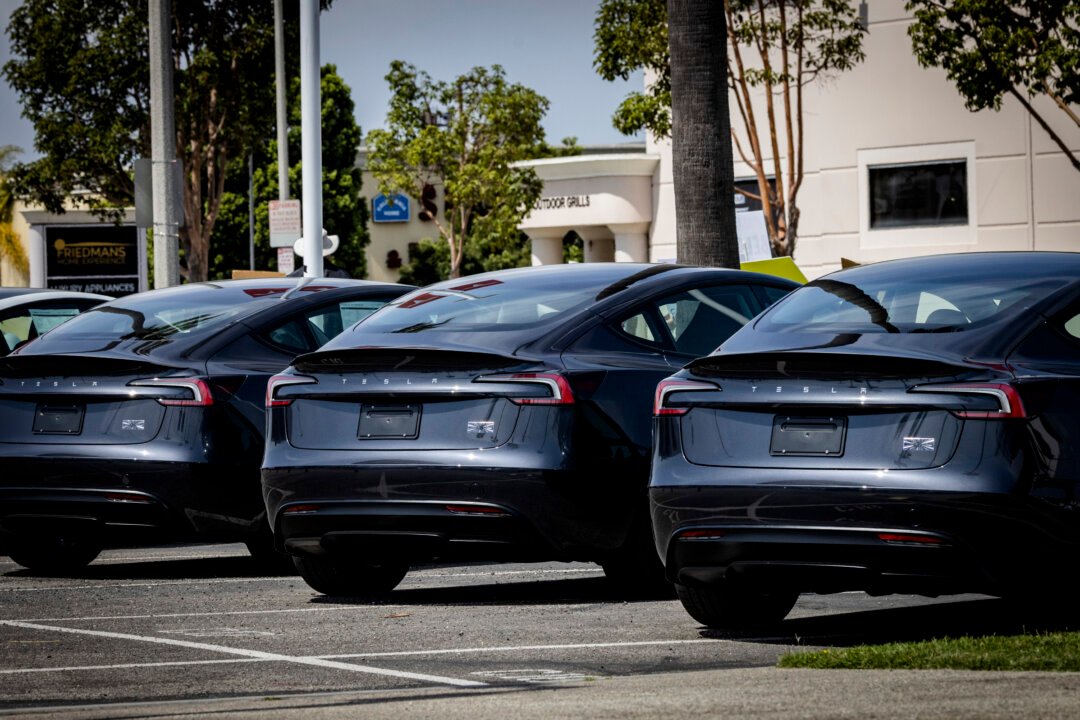
Electric vehicle giant Tesla reported disappointing fourth-quarter sales figures, with vehicle deliveries falling significantly below market expectations as the company grapples with mounting challenges on multiple fronts.

The Austin-based automaker announced on December 29 that it delivered 418,227 vehicles during the final three months of 2025, representing a sharp 15.6 percent decline compared to the same period in the previous year. For Tesla, which operates on a direct-to-consumer sales model, delivery numbers serve as the most reliable indicator of actual sales performance.
The substantial drop in deliveries underscores the growing pressures facing Tesla as it navigates an increasingly competitive global electric vehicle landscape. Traditional automakers and new market entrants alike have been aggressively expanding their EV offerings, intensifying competition for market share in what was once Tesla’s relatively unchallenged domain.
Adding to Tesla’s challenges is the expiration of key tax incentives that previously made electric vehicles more attractive to domestic buyers. These federal and state-level incentives had served as important purchasing drivers for many consumers considering the switch to electric vehicles, and their removal has created additional headwinds for the entire EV sector.
The fourth-quarter performance caps off what has been a turbulent period for Tesla, as the company works to maintain its leadership position in the rapidly evolving electric vehicle market. Industry analysts had been closely watching these delivery numbers as a barometer of Tesla’s ability to sustain growth amid increasing competition and changing market dynamics.
The delivery shortfall comes at a critical time for Tesla, as the company continues to invest heavily in expanding its manufacturing capacity and developing new vehicle models. The results will likely prompt increased scrutiny from investors and market observers who are closely monitoring how traditional automotive giants and emerging EV startups are affecting Tesla’s market dominance.
As the electric vehicle market matures and competition intensifies, Tesla’s ability to adapt its strategy and maintain consumer appeal will be crucial for its future performance in the quarters ahead.