



























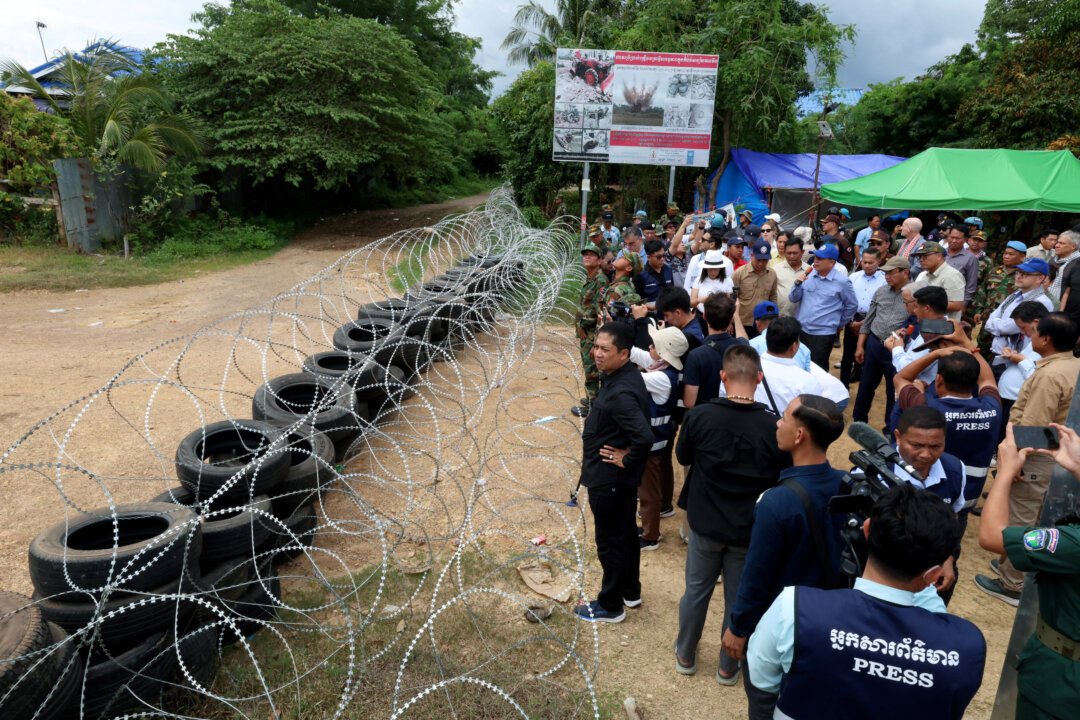
Thailand launched aerial strikes against Cambodian forces along their disputed border on December 8, marking a dramatic escalation in tensions just months after the two Southeast Asian neighbors signed a U.S.-brokered peace agreement.

The Thai military confirmed it deployed aircraft to “suppress Cambodian supporting fire attacks” following what both sides described as ceasefire violations that occurred the previous day. The air operations represent the most serious military confrontation between the countries since their last major flare-up in July.
The latest hostilities have shattered the fragile calm that followed five days of intense border fighting in July, which prompted international concern and ultimately led to American-mediated negotiations. Both nations had publicly committed to de-escalating their long-standing territorial dispute through the October peace framework.
The disputed border region has been a persistent flashpoint between Thailand and Cambodia, with tensions rooted in competing territorial claims that have periodically erupted into armed conflict over the past several years. The area in question includes strategic positions that both countries consider vital to their national security interests.
Foreign diplomats and representatives from international organizations, including various UN agencies, have been monitoring the volatile border situation closely. Recent visits to the contested zone have revealed extensive military infrastructure, including barbed wire barriers and defensive positions that Cambodian officials claim were installed by Thai forces in disputed territory.
The breakdown of the ceasefire mechanism established under the October agreement raises serious questions about the sustainability of diplomatic solutions to the border dispute. Both governments had previously expressed optimism that the U.S.-facilitated talks would provide a pathway to lasting peace and regional stability.
As military operations continue, regional observers are watching carefully for signs of whether this latest escalation might trigger a broader conflict or whether diplomatic channels can once again be activated to restore calm. The international community had invested considerable effort in brokering the previous ceasefire arrangement.
The timing of the renewed fighting is particularly concerning given the broader geopolitical tensions in Southeast Asia, where territorial disputes have become increasingly sensitive issues affecting regional security and international trade routes.