













In the golden age of American horse racing, when thundering hooves and roaring crowds defined weekend entertainment across the nation, one name rose above all others: Isaac Burns Murphy. This extraordinary jockey didn’t just ride horses—he commanded them with an artistry that captivated audiences and redefined what it meant to master the sport.

Born in 1861 in Kentucky’s bluegrass region, Murphy emerged from humble beginnings to become one of the most accomplished jockeys in American racing history. While historians debate whether he first drew breath in Frankfort, Lexington, or another nearby Kentucky town, there’s no dispute about the impact he would make on the sport that defined his era.
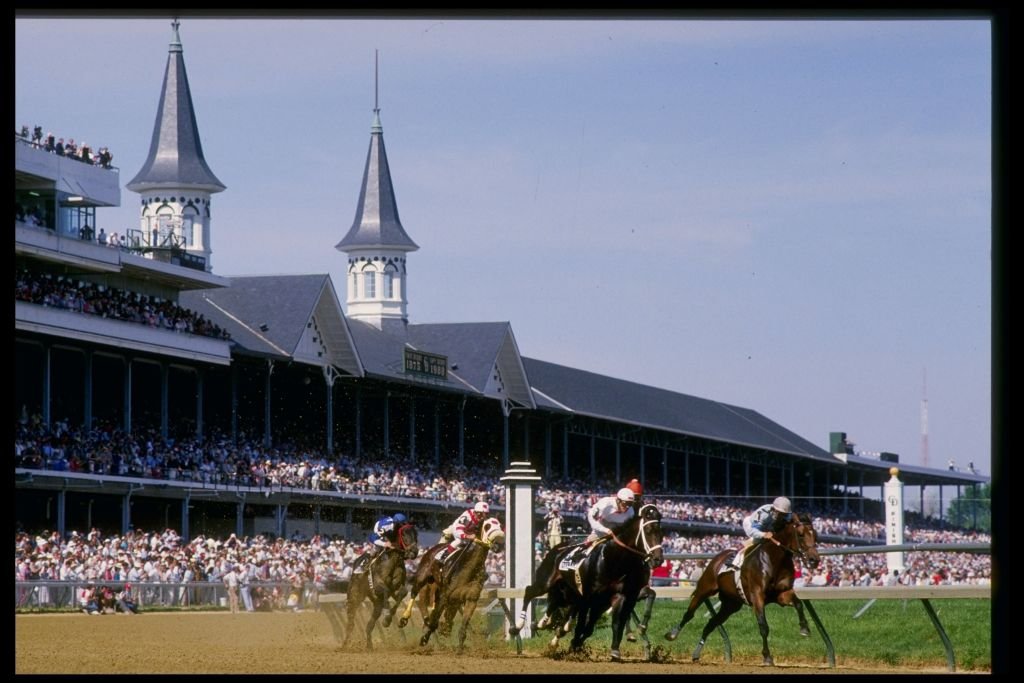
The 1988 Kentucky Derby at Churchill Downs in Louisville served as a powerful reminder of Murphy’s legacy, as the hallowed grounds where he once claimed multiple victories continued to honor the memory of racing’s early champions. The track that witnessed Murphy’s masterful performances remains a testament to the skill and determination that set him apart during horse racing’s most celebrated period.
What made Murphy truly exceptional wasn’t just his natural talent—it was his remarkable consistency in an unpredictable sport. During an era when horse racing commanded national attention and packed stadiums across America, Murphy’s name became synonymous with excellence. His ability to read horses, understand track conditions, and make split-second tactical decisions elevated him far beyond his contemporaries.
Despite his professional achievements being meticulously documented by racing historians, Murphy’s personal story remains shrouded in mystery. The details of his childhood, family circumstances, and early entry into the world of horse racing have been lost to time. How he discovered his calling, why he pursued it so relentlessly, and who mentored him during his apprenticeship years remain tantalizing questions without clear answers.
This lack of personal documentation reflects the broader challenges of preserving African American sports history during the 19th century. While Murphy’s racing records speak volumes about his extraordinary talent, the human story behind the champion—his motivations, struggles, and triumphs beyond the track—offers only fragments for modern admirers to piece together.
Murphy’s career unfolded during what many consider the zenith of American horse racing, when the sport commanded respect and drew diverse audiences from all walks of life. His victories weren’t just personal achievements; they were moments that brought communities together and created lasting memories for generations of racing enthusiasts.
The legacy of Isaac Murphy extends far beyond statistics and trophy cases. He represented excellence in its purest form, demonstrating that skill, dedication, and an unwavering commitment to craft could elevate an individual to legendary status. His influence on the sport created ripples that extended well beyond his 35 years of life, inspiring future generations of jockeys and cementing his place in American sporting history.
Today, as modern racing continues to evolve, the name Isaac Murphy serves as a bridge between horse racing’s storied past and its dynamic present. His story reminds us that true greatness often emerges from the most unexpected places, and that the pursuit of excellence knows no boundaries when passion meets opportunity on the track of life.