













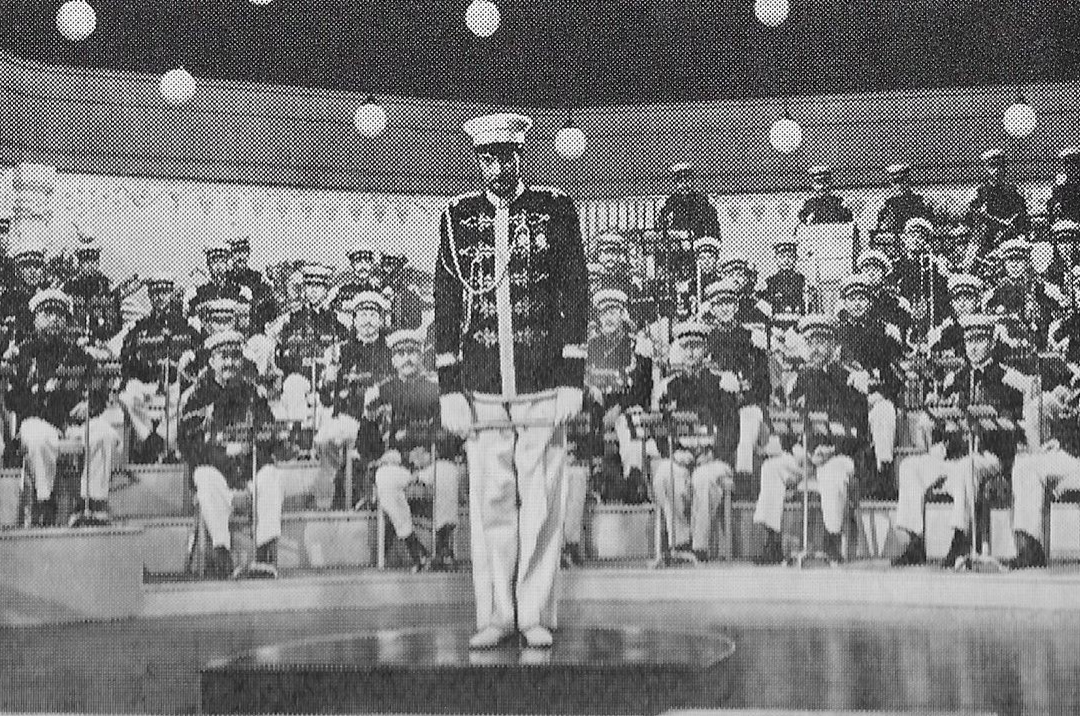
In the annals of American music history, few names resonate with as much patriotic fervor as John Philip Sousa. Known universally as “The March King,” this legendary composer and bandmaster didn’t just write music—he crafted the soundtrack of American pride that continues to stir hearts more than a century later.

The 1952 biographical drama “Stars and Stripes Forever” (NR | 1h 30m | Drama) brings to life the remarkable story of the man whose compositions became synonymous with American patriotism. Starring Clifton Webb as the titular composer, the film chronicles Sousa’s journey from military bandmaster to the creator of some of America’s most beloved marches.
Sousa’s legacy extends far beyond his compositions. His innovative spirit led to the creation of the sousaphone, a brass instrument that would become a cornerstone of marching bands across the nation. This helicon-style tuba, designed to wrap around the player’s body for easier marching, revolutionized military and civilian bands alike.
The evolution of military music reflects broader changes in warfare itself. Centuries ago, marching bands served a crucial tactical purpose, leading armies into battle and providing essential communication signals for infantry and cavalry units. These musical ensembles were the lifeline of military coordination, signaling when to advance, retreat, or regroup during the chaos of combat.
However, as military technology advanced and navies and air forces became dominant forces in warfare, the traditional role of marching bands began to shift. No longer were they primarily tactical instruments of war, but rather symbols of tradition, ceremony, and national pride.
This transformation coincided perfectly with Sousa’s era. As America emerged as a global power in the late 19th and early 20th centuries, his stirring marches provided the perfect musical expression of the nation’s growing confidence and patriotic spirit. Compositions like “The Stars and Stripes Forever,” “Semper Fidelis,” and “The Washington Post March” became the gold standard for American military and ceremonial music.
Sousa’s influence on American culture cannot be overstated. His John Philip Sousa Band toured extensively, bringing his patriotic marches to audiences across the country and around the world. These performances helped establish a distinctly American musical identity that differentiated the young nation’s cultural output from its European predecessors.
The 1952 film captures not just the man behind the music, but also the era in which his compositions flourished. It was a time when America was defining itself on the world stage, and Sousa’s marches provided the perfect musical accompaniment to this national coming-of-age story.
Today, more than seventy years after the film’s release and over a century since Sousa’s heyday, his music continues to play a vital role in American cultural life. From Fourth of July celebrations to military ceremonies, from high school football games to presidential inaugurations, the strains of Sousa’s marches remain an integral part of the American experience.
The enduring popularity of “Stars and Stripes Forever” – both the march and the film that bears its name – speaks to something deeper than mere nostalgia. In an era when American identity continues to evolve, Sousa’s music provides a unifying thread that connects generations of Americans to their shared heritage and values.
For modern audiences discovering Sousa’s story through this classic film, it serves as both entertainment and education, offering insight into how one man’s musical genius helped shape the sound of American patriotism for generations to come.