



























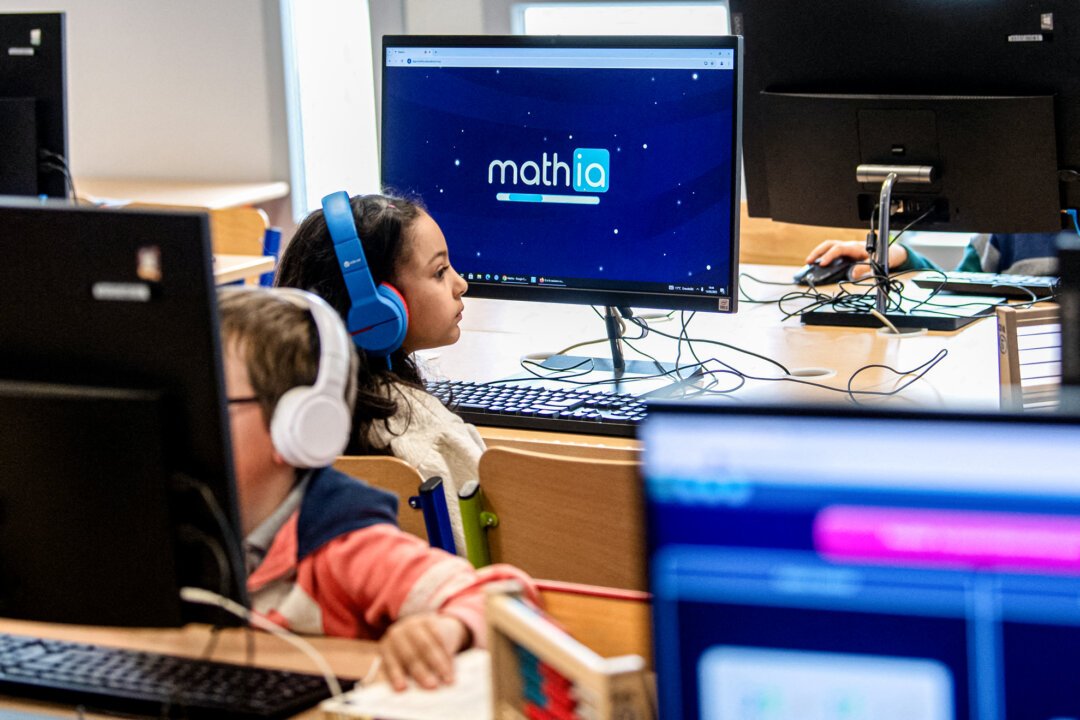
As artificial intelligence rapidly infiltrates educational systems across the globe, a growing chorus of experts warns that our enthusiasm for classroom AI integration far exceeds our understanding of its implications. The image of French primary school students using AI for mathematics lessons represents a global trend that has educators, policymakers, and parents grappling with fundamental questions about technology’s role in childhood development.

Michael Kleinman, head of U.S. policy at the Future of Life Institute—an organization that has spent decades studying artificial intelligence risks—recently delivered a stark warning to Congress. His message was clear: legislative bodies are moving at a glacial pace on AI regulation while potentially harmful systems are already impacting American families in real-time.
The urgency of Kleinman’s concerns reflects a broader disconnect between the rapid deployment of AI technologies in schools and the lack of comprehensive understanding among the adults responsible for children’s education and safety. This gap raises critical questions about whether we’re conducting a massive experiment on young minds without fully grasping the consequences.
Educational institutions worldwide have embraced AI tools with remarkable speed, often viewing them as solutions to longstanding challenges in personalized learning, administrative efficiency, and resource allocation. From AI-powered tutoring systems to automated grading platforms, schools are integrating these technologies faster than researchers can study their long-term effects on cognitive development, social skills, and academic integrity.
The fundamental issue isn’t necessarily the technology itself, but rather the hasty implementation without adequate safeguards, training, or understanding. When adults—teachers, administrators, parents, and policymakers—lack comprehensive knowledge about AI systems, they cannot make informed decisions about their appropriate use with children.
Consider the complexity of modern AI systems: they operate through algorithms that even their creators don’t fully understand, make decisions based on vast datasets that may contain biases, and can influence thinking patterns in ways that are still being discovered. These characteristics demand careful consideration before exposing developing minds to their influence.
The educational sector’s enthusiasm for AI adoption often stems from legitimate desires to improve learning outcomes and prepare students for a technology-driven future. However, this forward-thinking approach may be premature when basic questions remain unanswered about AI’s impact on critical thinking, creativity, and independent problem-solving skills.
Research suggests that children’s brains are particularly susceptible to technological influences during crucial developmental periods. The neuroplasticity that makes young minds excellent learners also makes them vulnerable to dependency on external systems for cognitive processes that should develop naturally through human interaction and independent thought.
The regulatory landscape surrounding AI in education remains fragmented and insufficient. While some jurisdictions have begun developing guidelines, the pace of technological advancement consistently outstrips policy development. This creates an environment where schools and tech companies operate with minimal oversight, essentially using students as test subjects for unproven systems.
Privacy concerns add another layer of complexity to the AI-in-schools debate. These systems typically collect vast amounts of data about student behavior, learning patterns, and personal information. The long-term implications of this data collection for student privacy and future opportunities remain largely unexplored.
The path forward requires a fundamental shift in approach. Rather than rushing to implement AI tools because they’re available or trendy, educational leaders must prioritize adult education and understanding first. Teachers, administrators, and parents need comprehensive training about AI capabilities, limitations, and potential risks before these systems become integral to children’s educational experiences.
This doesn’t mean rejecting AI entirely or fearing technological progress. Instead, it means approaching AI integration with the same caution and rigor that we would apply to any other intervention affecting children’s development. It means conducting thorough research, establishing robust safeguards, and ensuring that human judgment and connection remain central to the educational process.
The stakes are too high for hasty decisions. We’re not just talking about educational tools; we’re discussing technologies that could fundamentally alter how future generations think, learn, and relate to information and each other. The responsibility to understand these implications fully before widespread implementation cannot be understated.
As students in classrooms from France to the United States interact with AI systems, the adults in their lives must commit to understanding these technologies at least as well as the children using them. Only then can we make truly informed decisions about AI’s appropriate role in education—decisions based on wisdom rather than wonder, and careful consideration rather than technological enthusiasm.