


























Water sustains human life, but when it comes to your home’s structural integrity, it becomes a relentless destroyer. After five decades in construction, I’ve witnessed firsthand how water infiltration through siding and brick can transform a solid investment into a costly nightmare of rot, mold, and structural damage.

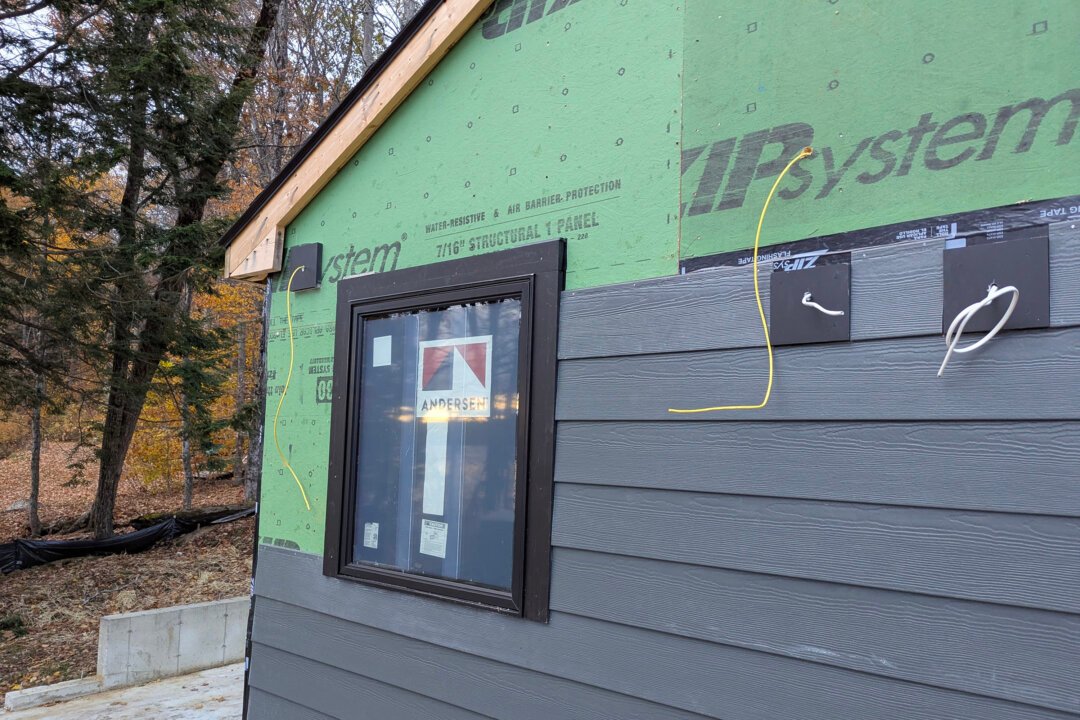
The image accompanying this article reveals a common yet dangerous practice: siding installed directly over wood sheathing. While the sheathing appears protected by plastic covering, this setup creates a false sense of security. Without proper tape sealing at joints and seams, water will find its way into wall cavities with devastating consequences.
The destructive power of water extends far beyond what most homeowners imagine. This seemingly innocent liquid possesses the force to split rock and concrete as easily as cracking an egg. When water penetrates your home’s exterior envelope, it initiates a cascade of problems that can compromise your family’s health and your property’s value.
The Hidden Enemy: Wood Rot and Mold Growth
Once water breaches your siding or brick exterior, it creates the perfect environment for wood rot to flourish. The organic materials within your walls become a feeding ground for fungi that literally consume the structural components of your home. This process often occurs silently, hidden behind finished walls until the damage becomes extensive and expensive to repair.
Equally concerning is the rapid development of mildew and mold colonies. These microorganisms thrive in the dark, moist conditions created by water infiltration. Beyond the musty odors and unsightly stains, mold poses serious health risks to occupants, particularly those with respiratory sensitivities or compromised immune systems.
Critical Installation Errors That Invite Water Damage
The construction detail shown in the accompanying photograph illustrates a widespread installation error. While the plastic sheeting provides some moisture protection, the lack of proper sealing tape at critical junctions creates pathways for water entry. Professional installation requires meticulous attention to these details, as even small gaps can allow significant water penetration during wind-driven rain events.
Modern building science emphasizes the importance of a continuous water-resistive barrier behind all exterior cladding systems. This barrier must be properly sealed at all penetrations, seams, and transitions to function effectively. Half-measures in installation often prove more costly than doing the job correctly from the start.
Prevention Strategies for Homeowners
Regular inspection of your home’s exterior can identify potential water entry points before they become major problems. Look for gaps around windows, doors, and utility penetrations. Check for loose or damaged siding boards, missing mortar in brick walls, and compromised caulk seals.
Pay particular attention to areas where different materials meet, such as where siding transitions to brick or around roof-to-wall intersections. These locations experience the most movement and are prone to seal failures that invite water infiltration.
Professional Assessment and Remediation
When water damage is suspected, immediate professional assessment becomes crucial. Advanced moisture detection equipment can identify hidden water intrusion that isn’t visible to the naked eye. Early intervention can often prevent minor issues from escalating into major reconstruction projects.
Remember that water follows the path of least resistance and often travels considerable distances from its entry point before causing visible damage. What appears as a small stain on an interior wall may indicate a much larger infiltration problem requiring comprehensive remediation.
Your home represents one of your largest financial investments. Understanding how water threatens this investment empowers you to take proactive steps in protection and maintenance. The enemy may be persistent, but with proper knowledge and vigilance, you can keep water where it belongs – outside your home’s walls.