

























The United States has intensified its financial warfare against one of Latin America’s most dangerous criminal organizations, imposing fresh sanctions on individuals allegedly connected to the notorious Venezuelan gang Tren de Aragua.

On December 3, the Treasury Department’s Office of Foreign Assets Control (OFAC) announced targeted sanctions against several individuals suspected of supporting the criminal network, which the U.S. has officially designated as a foreign terrorist organization. The coordinated action represents the latest escalation in America’s efforts to dismantle the gang’s international operations and financial infrastructure.
Among those hit with sanctions was Venezuelan entertainer Jimena Romina Araya Navarro, who performs under the stage name “Rosita.” Treasury officials allege that Navarro provided material support to Tren de Aragua’s operations, though specific details about her alleged involvement were not immediately disclosed in the announcement.
The sanctions also targeted what Treasury officials described as the alleged financial leader of Tren de Aragua, marking a significant strike against the organization’s money management operations. This individual’s role allegedly involves overseeing the gang’s complex financial networks that span multiple countries across Latin America and beyond.
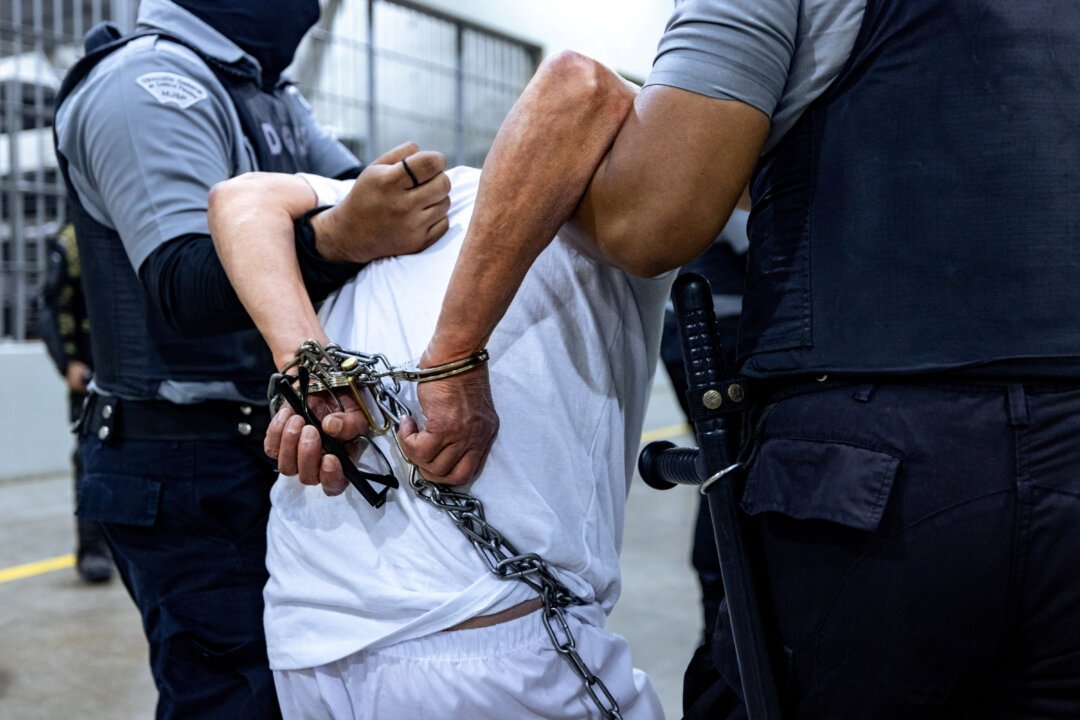
Tren de Aragua has emerged as one of the region’s most feared criminal organizations, originating in Venezuela’s prison system before expanding operations across South America and into the United States. The gang has been linked to human trafficking, drug smuggling, extortion, and violent crimes that have destabilized communities from Colombia to Chile.
The timing of these sanctions reflects growing concern among U.S. officials about the gang’s expanding influence and operational reach. Intelligence reports suggest Tren de Aragua has established cells in multiple American cities, prompting increased coordination between federal agencies and local law enforcement.
These latest financial penalties freeze any U.S.-based assets belonging to the sanctioned individuals and prohibit American citizens and businesses from conducting transactions with them. The measures are designed to cut off financial lifelines that enable the criminal organization to operate and expand its influence.
The Treasury Department’s action comes as regional governments struggle to contain Tren de Aragua’s growing presence. Countries across South America have implemented various measures to combat the organization, including mass arrests and enhanced border security protocols.
For U.S. authorities, dismantling Tren de Aragua’s financial networks represents a critical component of broader efforts to combat transnational organized crime. Officials view financial sanctions as particularly effective tools for disrupting criminal operations that rely on cross-border money flows and legitimate business fronts.
The sanctions announcement underscores the Biden administration’s continued focus on addressing security challenges emanating from Venezuela’s ongoing political and economic crisis. U.S. officials argue that the breakdown of law and order in Venezuela has created conditions that allow criminal organizations like Tren de Aragua to flourish and export violence throughout the region.