













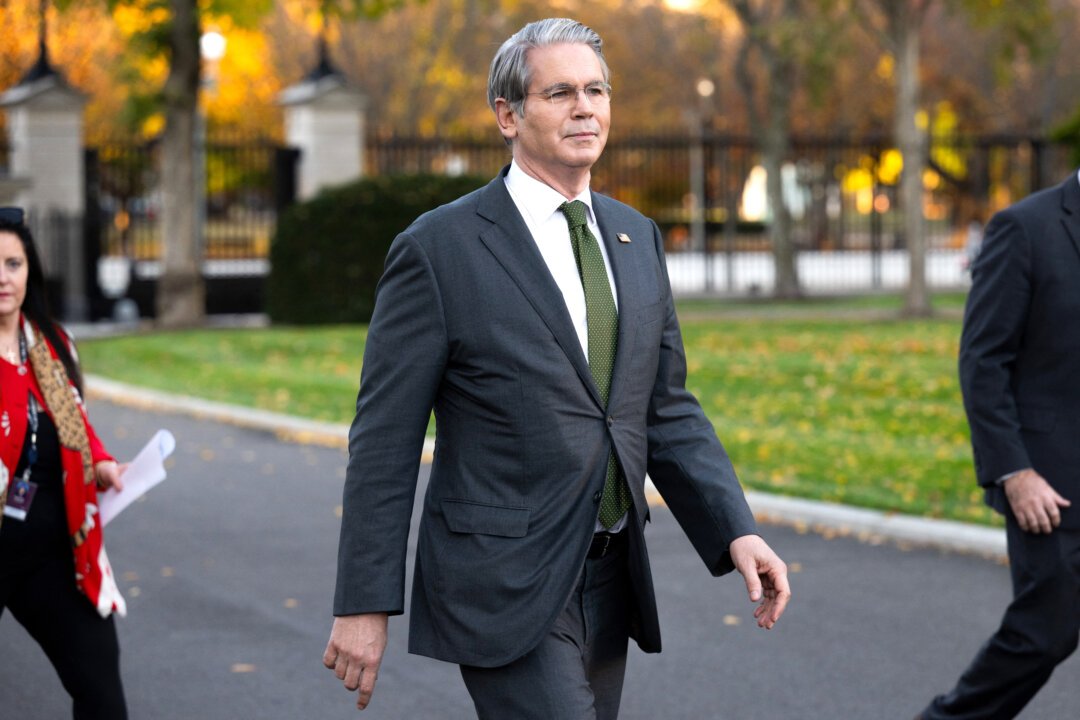
The Trump administration has unveiled new measures targeting federal benefit programs, with Treasury Secretary Scott Bessent confirming efforts to restrict access for undocumented immigrants as part of broader immigration policy reforms.

In a social media statement posted on X on November 28, Bessent outlined the administration’s position on federal assistance programs, declaring: “We are working to cut off federal benefits to illegal aliens and preserve them for U.S. citizens.”
This announcement represents one component of a comprehensive immigration overhaul that the Trump administration has been rolling out during the Thanksgiving period. The Treasury Department’s involvement signals a coordinated approach across multiple federal agencies to implement stricter immigration policies.
The timing of Bessent’s statement aligns with other significant immigration-related policy changes announced by the administration this week. These developments indicate a systematic effort to restructure how federal resources are allocated and monitored in relation to immigration status.
Bessent’s confirmation comes as the administration faces mounting pressure to deliver on campaign promises regarding immigration enforcement and federal spending priorities. The Treasury Secretary’s public statement suggests that financial oversight will play a central role in the administration’s broader immigration strategy.
The proposed changes to federal benefit eligibility could potentially affect various programs administered across different government departments. However, specific details about which programs will be targeted and the timeline for implementation have not yet been disclosed by Treasury officials.
This policy direction reflects the administration’s emphasis on prioritizing federal resources for documented residents and citizens, marking a significant shift in how the government approaches benefit distribution and immigration enforcement coordination.
As the Treasury Department works to implement these changes, affected communities and advocacy groups are likely to closely monitor the development and potential impact of these new restrictions on federal assistance programs.