



































Treasury Secretary Scott Bessent has thrown his support behind President Trump’s campaign to eliminate the Senate filibuster, raising alarm bells about potential government dysfunction as another funding crisis looms in January.

In a pointed opinion piece published in The Washington Post on Sunday, Bessent warned that Democratic senators could weaponize the filibuster rule—which requires a 60-vote supermajority to advance legislation—to trigger a fresh government shutdown when current funding measures expire next month.
The Treasury Secretary’s remarks come on the heels of what became the longest government shutdown in U.S. history, a 35-day standoff that paralyzed federal operations and left hundreds of thousands of workers without paychecks. The economic disruption from that crisis is still reverberating through federal agencies and contractor relationships.
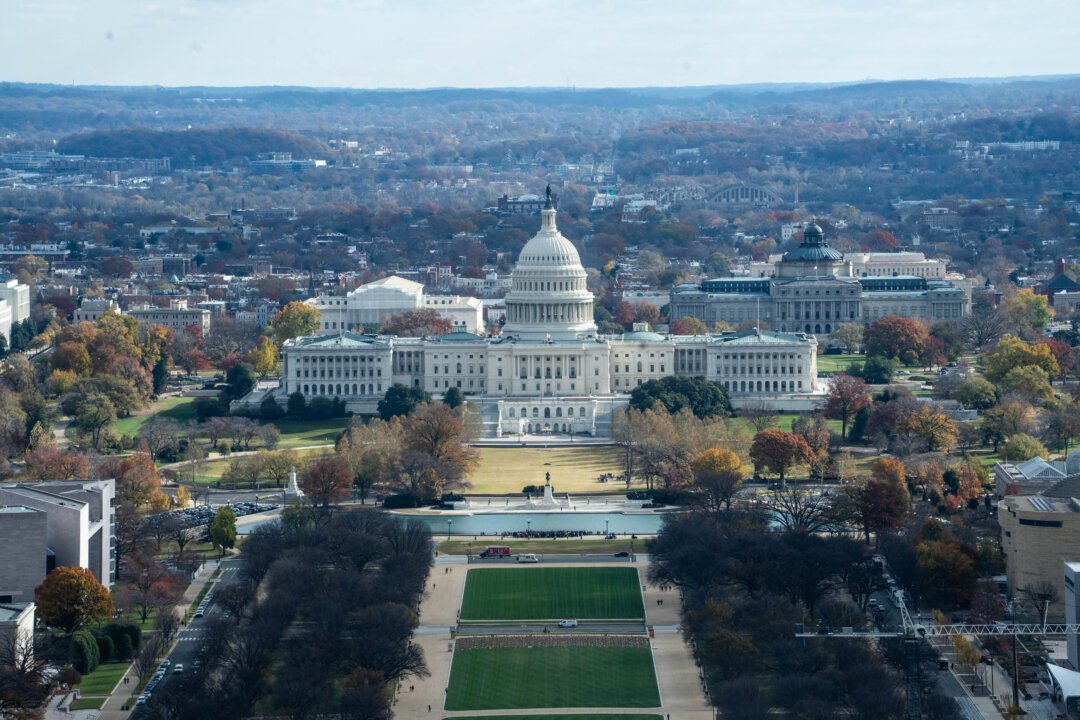
Bessent’s alignment with Trump’s anti-filibuster stance represents a significant escalation in the ongoing battle over Senate procedural rules. The filibuster has long served as a protective mechanism for the minority party, allowing senators to block legislation through extended debate unless three-fifths of the chamber votes to end discussion.
The timing of Bessent’s commentary is particularly striking, as Congress faces mounting pressure to reach a funding agreement before the January deadline. With partisan tensions already running high over spending priorities and policy riders, the Treasury Secretary’s warning suggests the administration expects Democrats to use every procedural tool at their disposal.
Political observers note that eliminating the filibuster would fundamentally reshape Senate dynamics, potentially allowing the majority party to advance sweeping legislation with simple 51-vote majorities. Such a change would represent one of the most dramatic alterations to Senate rules in decades.
The prospect of another government shutdown carries serious economic implications, particularly as federal agencies are still recovering from the previous closure. Critical services, from airport security to food safety inspections, faced significant disruptions during the last shutdown, creating ripple effects across multiple sectors.
Bessent’s public intervention in the Senate rules debate also highlights the administration’s frustration with legislative gridlock. By framing the filibuster as an obstacle to preventing shutdowns, the Treasury Secretary is making a direct appeal to voters who witnessed the chaos of prolonged government closures.
As January approaches, both parties are positioning themselves for what could become another high-stakes showdown over government funding. The addition of filibuster elimination to the mix raises the stakes considerably, potentially transforming a routine budgetary process into a broader constitutional battle over Senate procedures.
The coming weeks will test whether congressional leaders can navigate these competing pressures while keeping the government operational and avoiding the economic disruption that marked the previous shutdown crisis.