











The Trump administration has unveiled an ambitious $1 billion federal initiative designed to revolutionize the American airport experience, with plans to introduce healthier dining options, dedicated exercise facilities, and private nursing areas for traveling families across the nation’s busiest terminals.

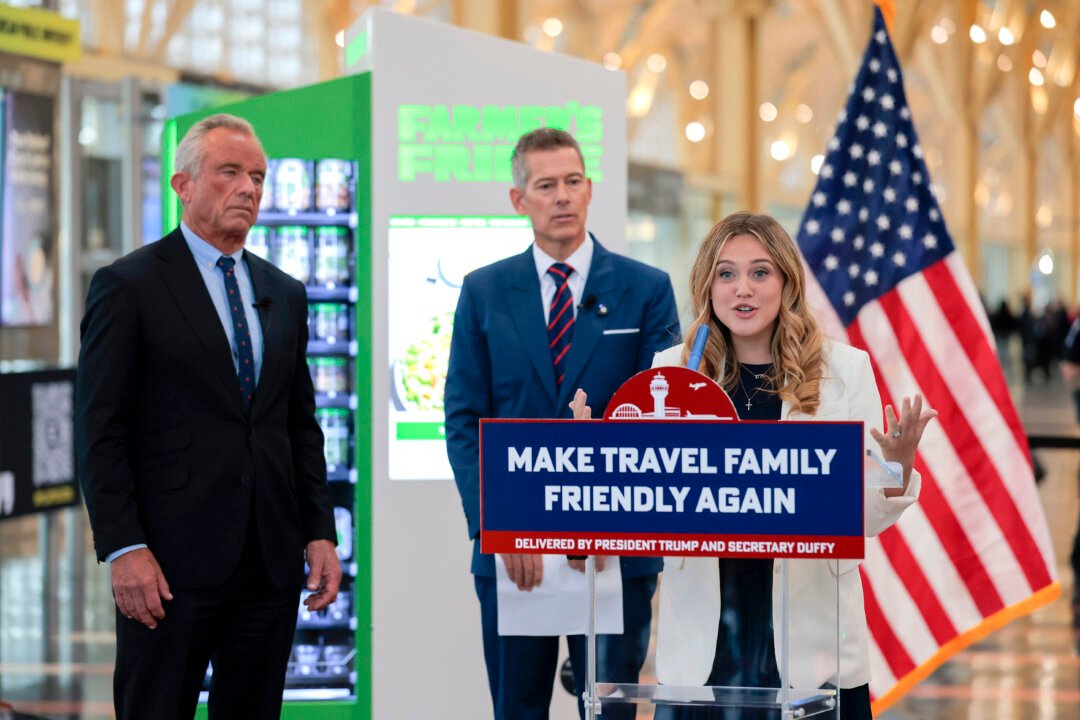
Transportation Secretary Sean Duffy and Health Secretary Robert F. Kennedy Jr. jointly announced the groundbreaking “Make Travel Family Friendly Again” campaign during a press conference at Washington National Airport on Monday, marking one of the administration’s most significant early infrastructure investments.
The comprehensive program will distribute federal grant funding to airports nationwide, targeting improvements that address the growing needs of families navigating increasingly crowded and stressful travel environments. The initiative represents a sharp departure from traditional airport funding priorities, emphasizing wellness and family accommodation over purely operational upgrades.
Key features of the program include the installation of private breastfeeding pods equipped with comfortable seating and electrical outlets, allowing nursing mothers to feed their infants in quiet, hygienic spaces away from busy terminal areas. These dedicated facilities address a long-standing complaint from traveling parents who have struggled to find appropriate nursing locations in public airports.
The initiative also mandates the creation of exercise areas within participating airports, featuring equipment and open spaces where travelers can stretch, walk, or engage in light physical activity during lengthy layovers. These fitness zones aim to combat the sedentary nature of air travel while providing stress relief for anxious passengers.
Perhaps most significantly, the program will require participating airports to dramatically expand their healthy food offerings, moving beyond traditional fast-food chains to include fresh produce vendors, organic meal options, and locally-sourced dining alternatives. This component aligns with Secretary Kennedy’s broader public health agenda and his vocal criticism of processed foods in American diets.
The $1 billion funding pool will be distributed through competitive grant applications, with airports required to demonstrate specific plans for implementing family-friendly improvements and measurable health outcomes. Priority consideration will be given to facilities serving high volumes of family travelers and those located in underserved regions.
Industry analysts note that the initiative comes at a critical time for American aviation, as passenger volumes continue recovering from pandemic-era lows while families increasingly demand more accommodating travel experiences. Recent surveys indicate that family-friendly amenities rank among the top factors influencing airport satisfaction scores.
The program also includes provisions for improved children’s play areas, quiet zones for travelers seeking respite from terminal noise, and enhanced accessibility features for passengers with disabilities or mobility challenges. These additions reflect growing recognition that modern airports must serve diverse passenger needs beyond basic transportation functions.
Implementation of the initiative is expected to begin within the first quarter of 2025, with major hub airports likely receiving initial funding allocations. The administration has indicated that successful pilot programs could lead to additional funding in future budget cycles, potentially expanding the initiative’s scope and geographic reach.
Airport authorities and travel industry representatives have generally welcomed the announcement, though some have raised questions about the timeline for implementing such extensive facility modifications. The program’s success will likely depend on effective coordination between federal agencies, airport operators, and private contractors responsible for terminal improvements.
The “Make Travel Family Friendly Again” campaign represents one of the most visible early policy initiatives of the new administration, demonstrating a commitment to addressing everyday concerns of American families while investing in critical infrastructure improvements that could reshape the domestic travel experience for millions of passengers annually.