



























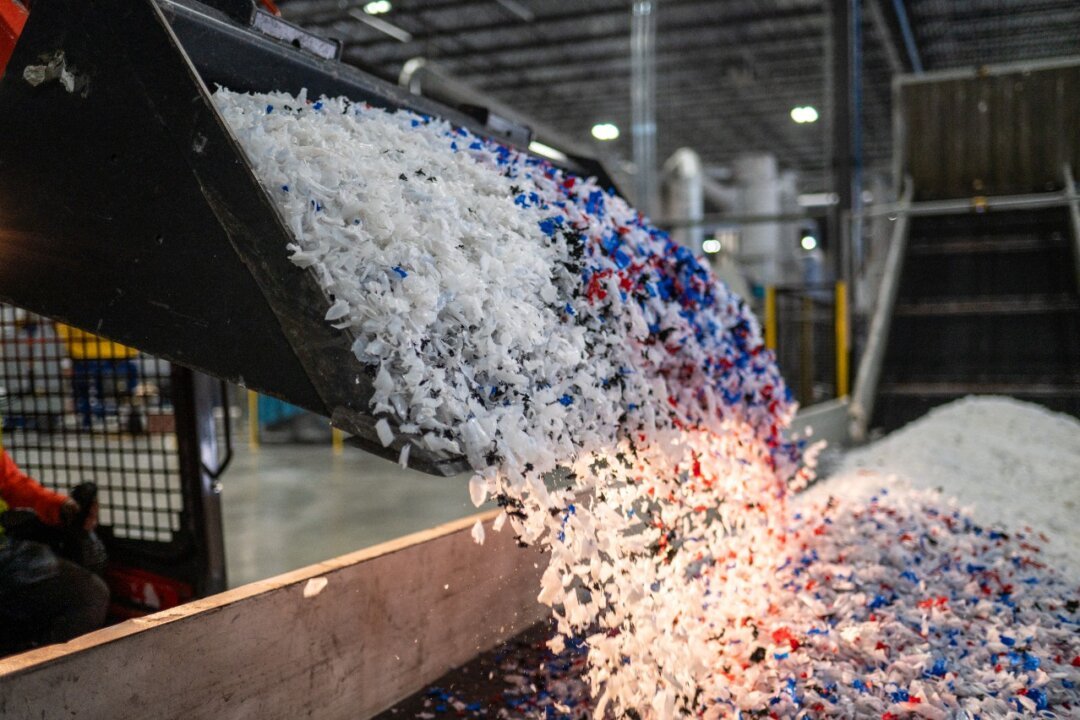
The Trump administration is launching 2026 with ambitious plans to regulate dozens of applications involving phthalate chemicals across American industry, marking a significant shift in federal oversight of these controversial plastic additives.

Phthalates serve as crucial industrial chemicals that enhance plastic flexibility, making them softer and more pliable for countless everyday products. However, mounting scientific evidence about their potential health risks has prompted regulatory action that could reshape how American manufacturers approach plastic production.
The regulatory push comes as the United States lags behind international standards for phthalate restrictions. The European Union banned these chemicals from cosmetics and clothing in November 2020, while American consumers continue to encounter them in a wide array of products throughout their daily lives.
Health experts have been increasingly vocal about phthalate exposure risks, citing research that links these chemicals to various health concerns. The substances can leach from plastic products into food, air, and direct contact with human skin, creating multiple pathways for exposure in typical household and workplace environments.
The scope of potential regulation spans numerous industries where phthalates currently play essential roles in manufacturing processes. From food packaging and medical devices to construction materials and consumer goods, these chemicals have become deeply embedded in American manufacturing infrastructure over decades of widespread use.
Industry stakeholders are closely monitoring the administration’s regulatory approach, as new restrictions could require significant manufacturing adjustments and supply chain modifications. Companies may need to invest in alternative plasticizers or reformulate products to meet upcoming federal standards.
The timing of this regulatory initiative reflects growing public awareness of chemical safety issues and increased scrutiny of substances that consumers encounter regularly. Environmental health advocates have long pushed for stricter oversight of phthalates, arguing that current exposure levels may pose unnecessary risks to public health.
As the administration develops specific regulatory frameworks, manufacturers across affected industries are preparing for potential compliance requirements that could fundamentally alter how they approach plastic formulation and product design in the coming years.