













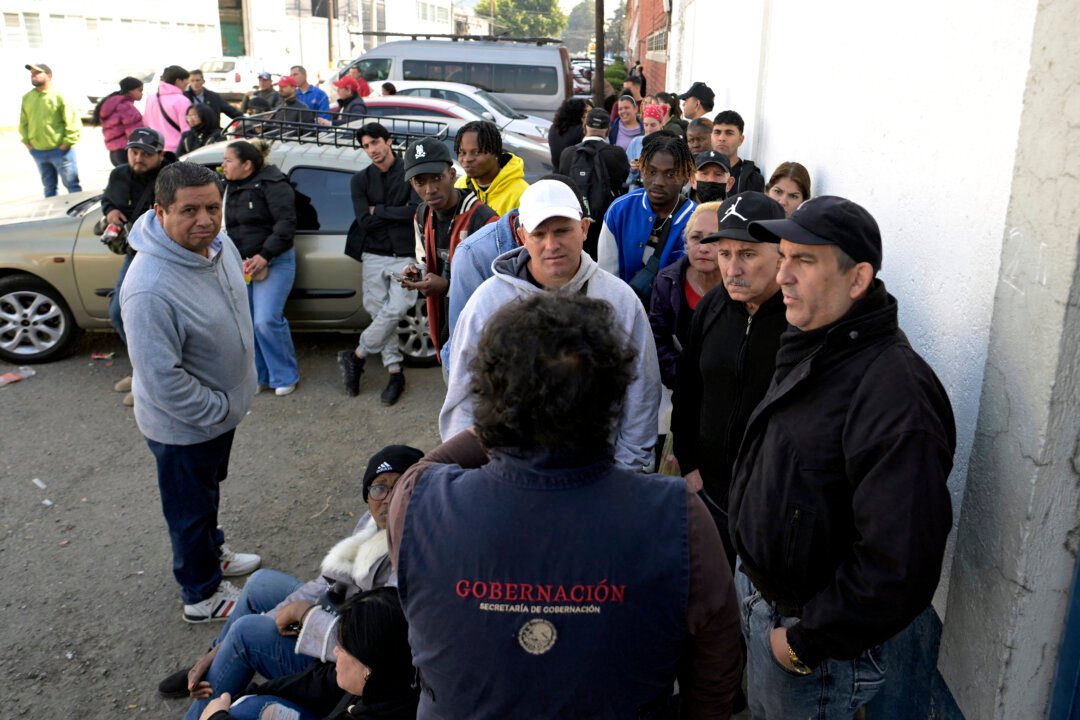
The Trump administration implemented sweeping immigration restrictions on November 28, bringing all asylum decisions to an immediate halt and suspending visa processing for Afghan nationals in response to a shooting incident that wounded two National Guard members near the White House.

The dramatic policy shift represents one of the most significant immigration enforcement actions taken by the administration, justified under national security grounds following the targeted attack on military personnel in the nation’s capital.
U.S. Citizenship and Immigration Services (USCIS) Director Joseph B. Edlow announced the asylum freeze through social media, declaring that the agency would suspend all asylum determinations “until we can ensure that every alien is vetted and screened to the maximum degree possible.”
“The safety of the American people always comes first,” Edlow emphasized in his statement, signaling the administration’s intention to prioritize security concerns over immigration processing timelines.
The comprehensive immigration crackdown extends beyond asylum cases to include a complete pause on visa issuance for Afghan nationals, affecting thousands of individuals who may have been awaiting approval for entry into the United States. This development particularly impacts those who may have assisted U.S. military operations during the two-decade conflict in Afghanistan.
The policy changes emerged as part of a broader wave of immigration-related executive actions following the shooting incident, which targeted National Guard members stationed in the vicinity of the White House. The attack has prompted heightened security measures and intensified scrutiny of immigration vetting procedures.
For asylum seekers already navigating the complex U.S. immigration system, the indefinite suspension creates additional uncertainty and potential delays in cases that often involve individuals fleeing persecution or violence in their home countries. The freeze affects both new applications and pending cases currently under review by immigration officials.
The administration’s response reflects a pattern of using security incidents to justify expanded immigration restrictions, though officials have not yet detailed the specific connection between the shooting and broader immigration vetting concerns that prompted such sweeping policy changes.
Immigration advocacy groups and legal experts are expected to closely monitor the implementation of these restrictions and their impact on vulnerable populations seeking protection in the United States. The duration of the suspension remains unclear, as officials have not provided specific timelines for when normal processing might resume.
The developments mark a significant escalation in immigration enforcement measures, affecting multiple categories of immigrants and refugees who rely on the U.S. immigration system for legal pathways to safety and residency in America.