













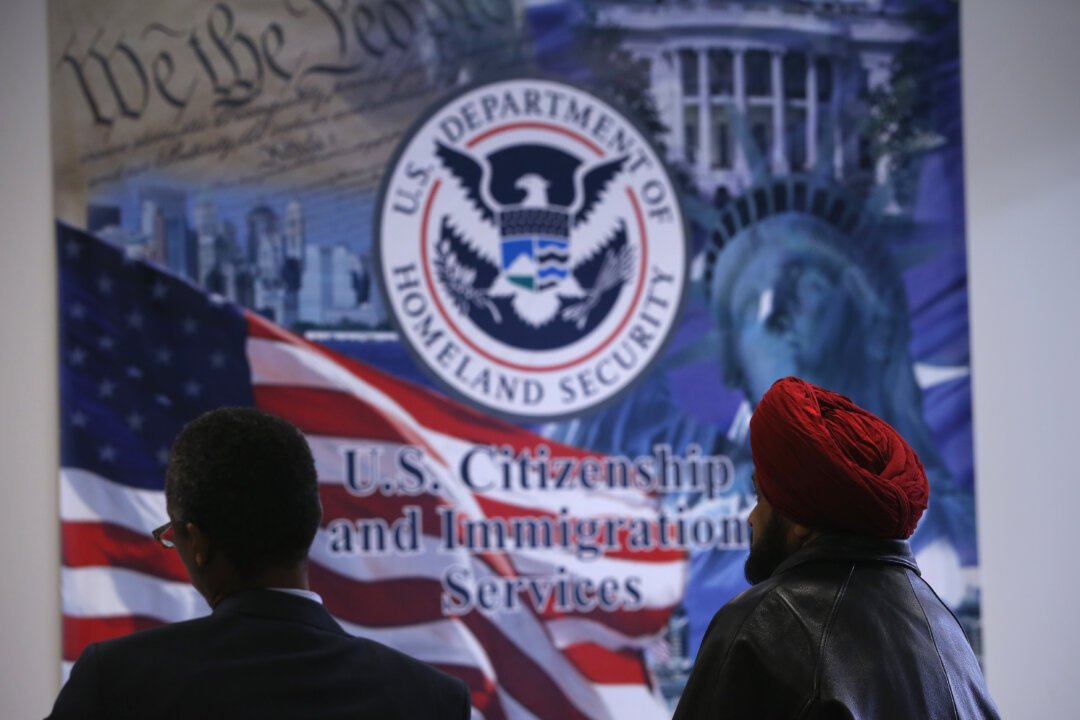
The Trump administration has implemented an immediate halt to immigration processing from 19 countries, including Afghanistan and Somalia, citing heightened national security concerns following a deadly attack on National Guard personnel in Washington, D.C.

The sweeping suspension, announced Tuesday, affects both green card applications and citizenship processing for individuals from the designated nations. The decision comes exactly one week after an Afghan national opened fire on two National Guard soldiers near the White House, resulting in one fatality and leaving another service member in critical condition.
The pause represents a significant escalation in the administration’s immigration enforcement policies, potentially impacting thousands of pending applications from affected countries. Officials have indicated that ongoing security risks necessitated the immediate action, though specific details about the review process timeline remain unclear.
The timing of the announcement underscores the administration’s swift response to security incidents involving foreign nationals. The attack on National Guard personnel has intensified scrutiny of existing vetting procedures and raised questions about current screening protocols for immigrants and asylum seekers from high-risk regions.
Immigration attorneys and advocacy groups are expected to challenge the broad suspension, arguing that blanket restrictions based on country of origin may violate due process rights for applicants already in the system. The affected individuals include those seeking permanent residency through family reunification, employment-based visas, and naturalization applications.
The 19 countries subject to the processing halt reportedly include several nations previously identified in various travel restriction policies, though the complete list has not been publicly disclosed. Afghanistan and Somalia were specifically mentioned in the announcement, reflecting ongoing concerns about security conditions in those regions.
This latest development adds to a series of immigration policy changes implemented by the Trump administration, which has consistently prioritized national security considerations in its approach to visa processing and border control measures.
The suspension is likely to face legal challenges in federal courts, where previous immigration restrictions have encountered varying degrees of judicial scrutiny. The administration will need to demonstrate that the security concerns justify the broad nature of the processing halt and provide evidence supporting the risk assessments for each affected country.