



























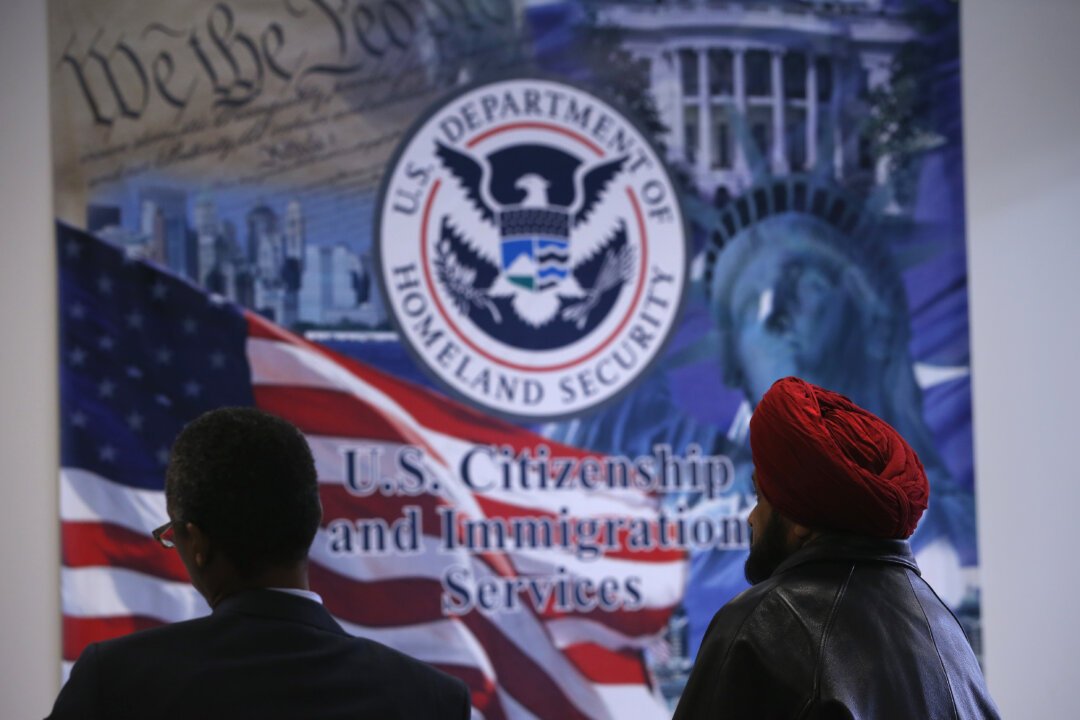
The Trump administration has implemented an immediate suspension of immigration processing for 19 countries, including Afghanistan and Somalia, marking a significant shift in U.S. immigration policy following a deadly attack on National Guard personnel in Washington, D.C.

The sweeping directive, announced Tuesday, affects both green card applications and citizenship processing for individuals from the designated nations. Administration officials cited pressing national security and public safety concerns as the primary drivers behind the unprecedented move.
The timing of this immigration freeze directly correlates with last week’s shocking incident near the White House, where an Afghan national opened fire on two National Guard soldiers. The attack resulted in one soldier’s death and left another in critical condition, sending ripples of concern throughout the nation’s security apparatus.
This dramatic policy shift represents one of the most comprehensive immigration restrictions implemented in recent years, potentially affecting thousands of pending applications and cases currently in the system. The suspension encompasses all forms of immigration benefits processing, creating uncertainty for countless individuals and families who have been navigating the complex U.S. immigration system.
The 19-country list includes nations that have historically faced scrutiny over security concerns, though the complete roster of affected countries extends beyond the specifically mentioned Afghanistan and Somalia. Immigration attorneys and advocacy groups are likely to challenge this broad suspension, arguing it may unfairly penalize law-abiding applicants based on their country of origin.
The National Guard attack that precipitated this policy change has intensified ongoing debates about immigration vetting procedures and national security protocols. The incident occurred in one of the most heavily secured areas of the nation’s capital, raising questions about existing screening processes and highlighting vulnerabilities in the current system.
Legal experts suggest this suspension could face immediate court challenges, as similar broad-based immigration restrictions have historically encountered significant judicial scrutiny. The affected individuals include those seeking permanent residency, citizenship candidates who have completed years-long processes, and family members of U.S. citizens awaiting reunification.
Immigration advocacy organizations are expected to mobilize quickly against this policy, arguing that collective punishment based on nationality violates fundamental principles of due process and individual assessment. The suspension’s duration remains unclear, with administration officials providing no specific timeline for when normal processing might resume.
This latest development adds another layer of complexity to an already strained immigration system, potentially creating significant backlogs once processing eventually resumes. The policy’s implementation comes as immigration remains a central focus of the current administration’s domestic agenda.