



























The Trump administration is set to announce a massive $12 billion economic relief package for American farmers on December 8, as agricultural communities across the nation grapple with the fallout from escalating trade tensions with China.

The substantial aid package will be unveiled during a White House roundtable event on Monday, according to administration officials, marking the federal government’s most significant intervention to date in supporting farmers caught in the crossfire of international trade disputes.
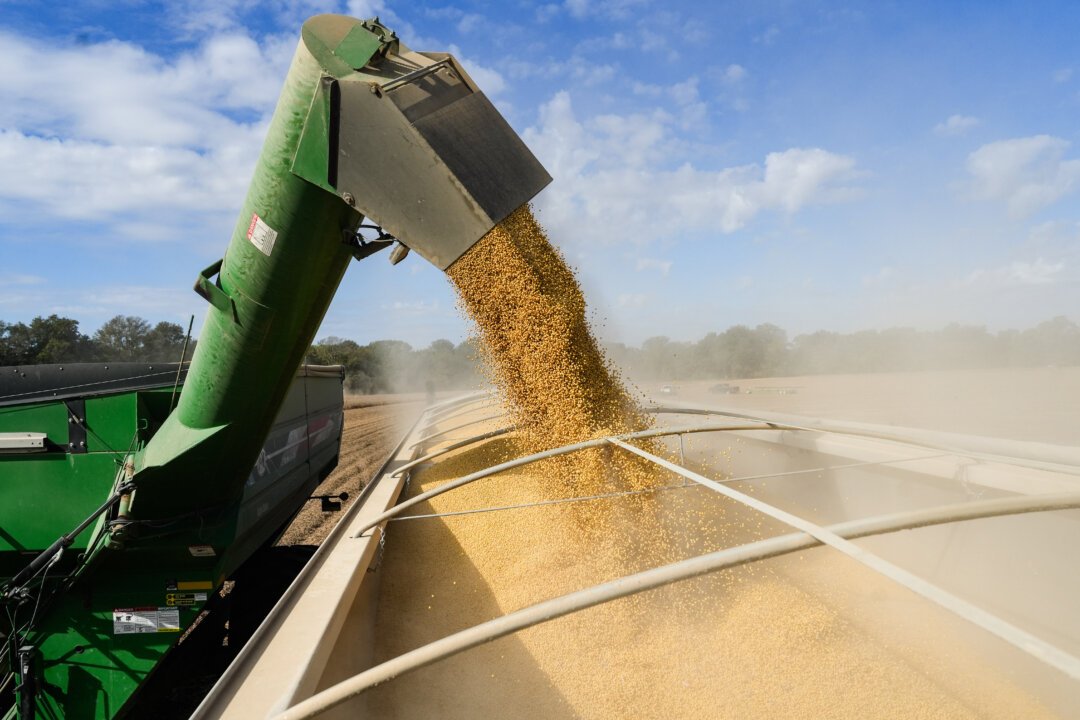
American agricultural producers have found themselves on the front lines of the ongoing trade war between the United States and China, with both nations imposing retaliatory tariffs that have severely disrupted traditional export markets. The economic consequences have been particularly devastating for soybean farmers, who have watched their primary customer—China—dramatically reduce purchases of American crops.
Beijing’s Strategic Shift Leaves U.S. Farmers Struggling
The trade conflict has forced China to restructure its agricultural supply chains, turning to alternative suppliers including Argentina and other South American nations to meet its soybean demands. This strategic pivot has left thousands of American farmers facing mounting inventories and plummeting commodity prices, threatening the financial stability of rural communities nationwide.
The ripple effects extend far beyond individual farm operations, impacting equipment dealers, grain elevators, transportation companies, and entire rural economies that depend on agricultural prosperity. Many farmers have reported difficulty securing loans and planning for future planting seasons amid the uncertainty.
Emergency Intervention Aims to Stabilize Agricultural Sector
The $12 billion relief package represents an unprecedented federal response to what many agricultural economists are calling one of the most challenging periods for American farming in decades. The assistance program is designed to provide immediate financial relief while the administration works toward resolving the broader trade disputes that have disrupted global agricultural markets.
Details of how the funds will be distributed and which crops or regions will receive priority support are expected to be announced during Monday’s White House event. The timing of the announcement underscores the urgency felt within the administration to address growing concerns from agricultural states that form a crucial part of Trump’s political base.
The agricultural crisis has become a significant political liability for the Trump administration, with farmers in key swing states expressing frustration over the economic hardships caused by the trade war. The relief package appears to be a direct response to mounting pressure from Republican lawmakers representing rural districts who have urged the White House to provide concrete support for their constituents.
As the trade war continues with no clear resolution in sight, the $12 billion aid package may represent just the beginning of federal efforts to insulate American agriculture from the broader economic consequences of international trade tensions.