













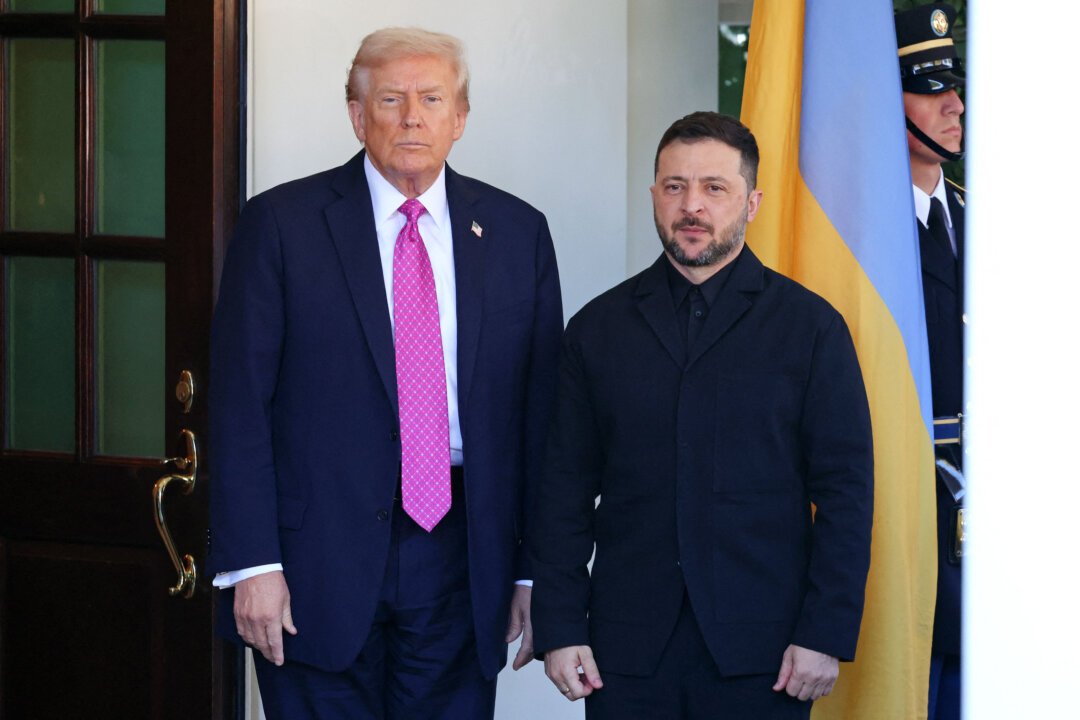
In a significant diplomatic development, the Trump administration has officially acknowledged its work on a comprehensive peace plan designed to bring an end to the devastating war between Ukraine and Russia. The confirmation came on November 20, following widespread media reports about a leaked proposal that has sent ripples through international diplomatic circles.

The ambitious framework, now being scrutinized by multiple news outlets including The Associated Press, outlines a series of detailed steps that Washington believes could halt the ongoing hostilities between Kyiv and Moscow. However, the plan’s requirements would demand substantial concessions from Ukraine that could reshape the geopolitical landscape of Eastern Europe.
According to the leaked documents, the proposed agreement would require Ukraine to make three major sacrifices: ceding territorial control to Russia, significantly reducing its military capabilities, and permanently abandoning its aspirations to join NATO. These conditions represent a dramatic shift from Ukraine’s previous negotiating positions and could prove controversial among its Western allies.
The peace initiative has been developed behind closed doors by two key figures in the Trump administration: Special Envoy for Peace Missions Steve Witkoff and Secretary of State Marco Rubio. White House press secretary Karoline Leavitt revealed during a news briefing that the pair have been working “quietly” on this diplomatic solution for approximately one month.
The timing of this revelation comes at a critical juncture in the conflict, as both sides have suffered significant losses and international pressure mounts for a negotiated settlement. The 28-point framework represents one of the most detailed peace proposals to emerge from the United States since the war began, though its ultimate success will depend heavily on the willingness of both Ukraine and Russia to engage with its terms.
The territorial concessions outlined in the plan would likely prove the most contentious aspect for Ukrainian leadership, who have consistently maintained that any peace agreement must respect their sovereignty and territorial integrity. Similarly, the requirement to scale back military forces could leave Ukraine vulnerable to future aggression, raising concerns among security experts about the long-term viability of such arrangements.
The NATO membership prohibition represents another significant diplomatic hurdle, as Ukraine’s integration into Western security structures has been a cornerstone of its post-2014 foreign policy strategy. This aspect of the plan could also complicate relationships with European allies who have supported Ukraine’s Euro-Atlantic aspirations.
As details of the proposal continue to emerge, diplomatic observers are closely watching for reactions from key stakeholders, including Ukrainian President Volodymyr Zelenskyy, Russian leadership, and European Union partners. The success of any peace initiative will ultimately depend on whether all parties can find common ground within this framework while addressing their fundamental security concerns.
The Trump administration’s decision to pursue this diplomatic track reflects a strategic shift toward negotiated settlement rather than continued military support, though the full implications of this approach remain to be seen as the proposal undergoes further scrutiny from international partners and affected parties.