



























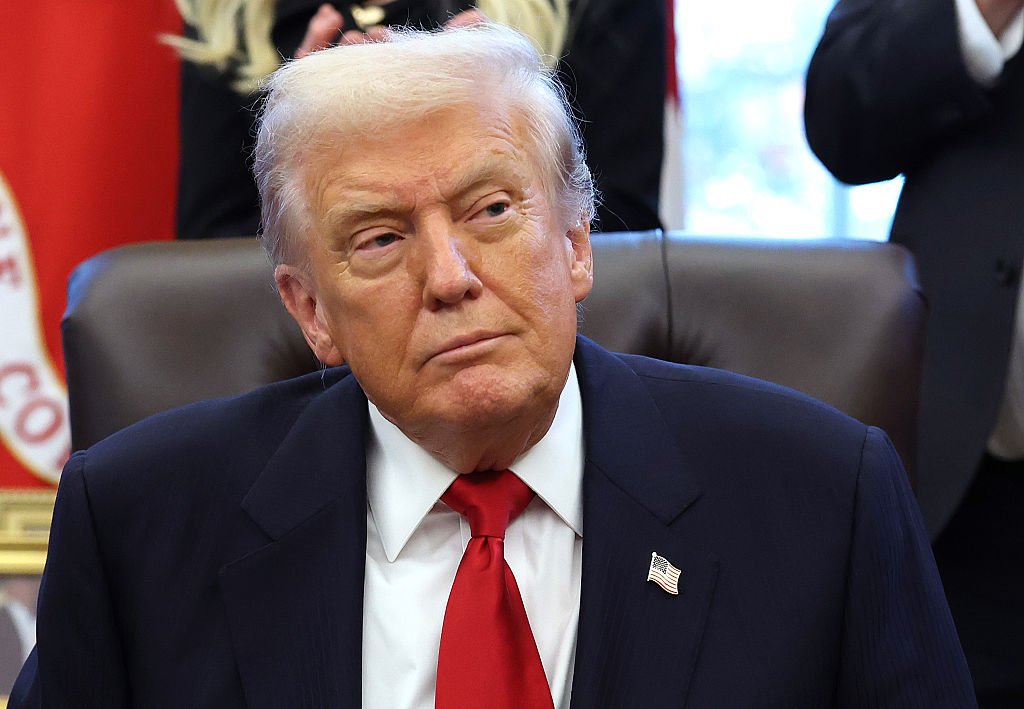
President Donald Trump engaged in a telephone conversation with Chinese President Xi Jinping on November 24, marking their first direct communication since their face-to-face meeting in the South Korean city of Busan two months earlier.

The White House has officially confirmed that the high-stakes call occurred during the morning hours of November 24, though administration officials have remained tight-lipped about the specific details of what was discussed between the two world leaders.
According to Beijing’s account of the conversation, the discussion between Trump and Xi covered several critical geopolitical flashpoints, including the ongoing tensions surrounding Taiwan and the continuing conflict in Ukraine. These topics represent some of the most sensitive areas of US-China relations and global security concerns.
The timing of this diplomatic exchange comes at a particularly crucial moment in international affairs, as both nations navigate complex relationships amid shifting global dynamics. Taiwan remains a significant point of contention between Washington and Beijing, with China viewing the island as a breakaway province while the United States maintains unofficial ties and provides defensive support to Taiwan.
Similarly, the war in Ukraine continues to strain international relationships, with China maintaining a carefully calibrated position that avoids direct condemnation of Russia while calling for peaceful resolution to the conflict.
This latest communication between the American and Chinese leaders underscores the ongoing importance of direct dialogue between the world’s two largest economies, even as they compete across multiple spheres including trade, technology, and regional influence.
The November phone call follows their previous in-person meeting in Busan, South Korea, which took place during what appeared to be a multilateral summit or international gathering. Such direct communications between Trump and Xi have historically played a significant role in managing tensions and coordinating responses to global challenges.
While the White House’s reluctance to provide additional details about the conversation’s content is not unusual for sensitive diplomatic communications, Beijing’s willingness to specify the topics discussed suggests China may be seeking to signal its priorities in the bilateral relationship.
The conversation comes as both leaders face complex domestic and international pressures, making their ability to maintain open channels of communication increasingly important for global stability and economic cooperation.