













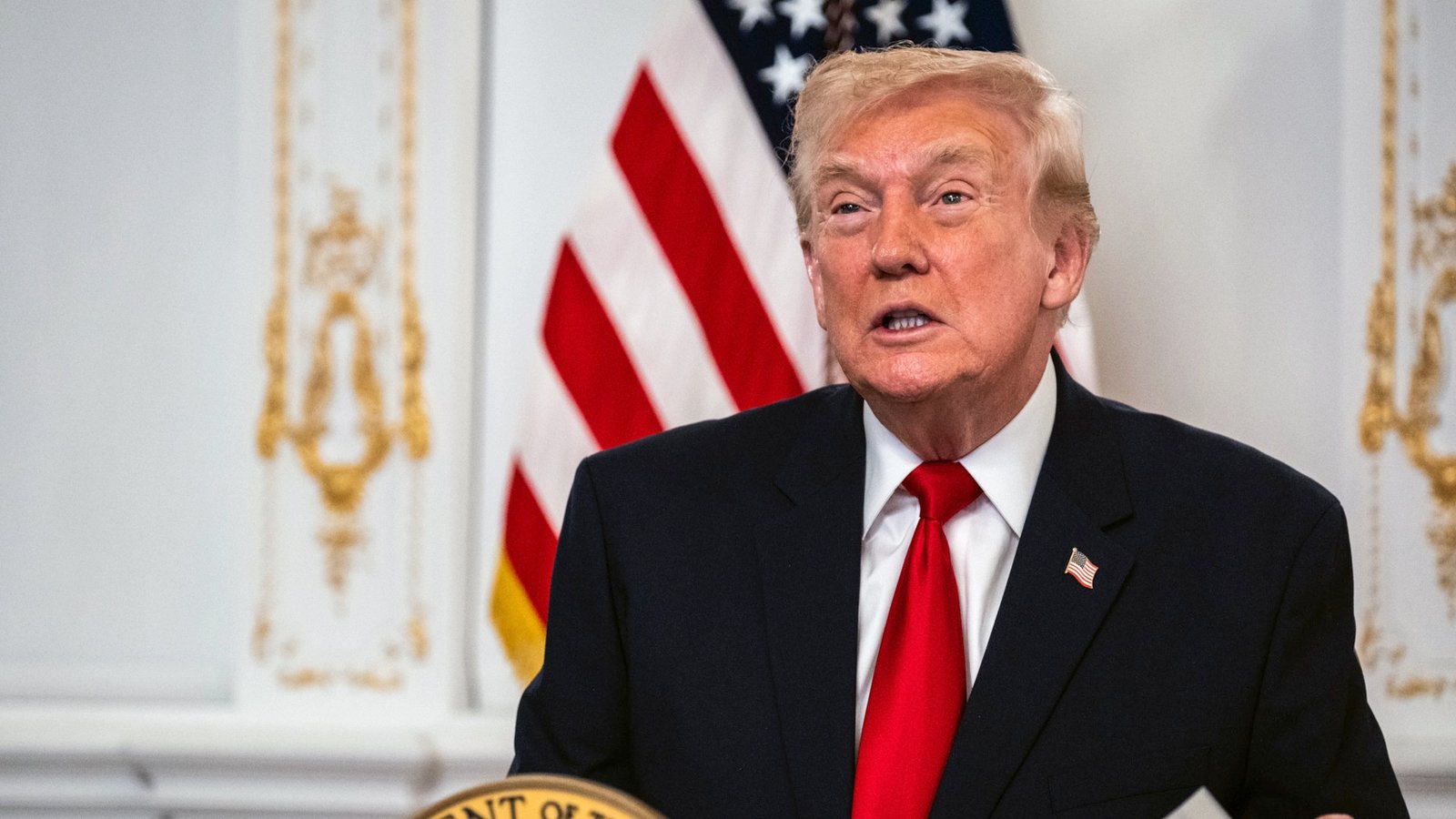
In a sweeping policy announcement that signals a dramatic shift in U.S. immigration strategy, President Donald Trump declared Thursday his intention to implement what he called a permanent suspension of migration from developing nations worldwide.

Speaking to reporters, Trump outlined plans that would not only halt new arrivals from what he termed “Third World countries” but also involve the removal of foreign nationals already in the United States who he characterized as being “incapable of loving” America. The president framed these measures as essential steps needed to facilitate what he described as a complete recovery of the U.S. immigration system.
The announcement represents one of Trump’s most expansive immigration policy proposals to date, potentially affecting millions of people from dozens of countries across Africa, Asia, Latin America, and other regions classified as developing nations. Immigration advocates and legal experts are already questioning the constitutionality and feasibility of such broad-sweeping measures.
The policy details remain unclear, including how the administration would define “Third World countries” in legal terms, what criteria would be used to determine someone’s capacity to “love” the United States, and through what legal mechanisms such removals would be carried out.
Hong Kong Tragedy Unfolds
Meanwhile, in Hong Kong, authorities confirmed Friday that the death toll from a devastating fire has climbed to 128 people, making it one of the deadliest blazes in the territory’s recent history. Emergency responders continue their grim search and recovery operations as investigators work to determine the cause of the tragedy.
Hong Kong officials have launched a comprehensive investigation into the incident, with search teams methodically combing through the affected areas. The high casualty count has shocked the international financial hub and raised urgent questions about fire safety protocols and emergency response procedures.
Local authorities have not yet released details about the location of the fire or the circumstances that led to such a significant loss of life. Family members of potential victims have gathered at designated areas as officials work to identify those affected by the tragedy.
The dual developments highlight contrasting challenges facing different regions, with the United States grappling with immigration policy debates while Hong Kong confronts the aftermath of a major emergency disaster. Both situations are expected to dominate headlines in their respective regions as officials work to address the immediate and long-term implications of these events.