













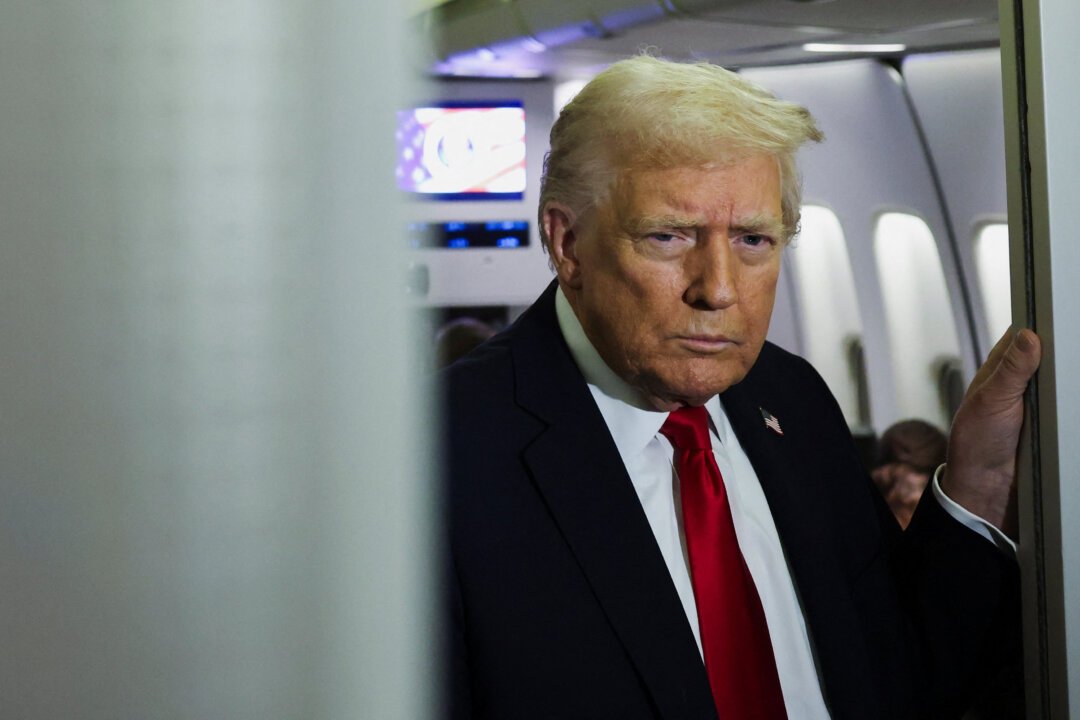
President Donald Trump unveiled sweeping immigration restrictions on November 27, declaring his intention to “permanently pause migration from all Third World countries” while simultaneously targeting foreign nationals he deems “incapable of loving” the United States for removal.

The dramatic announcement, delivered through Trump’s Truth Social platform, represents one of the most expansive immigration policy proposals of his presidency, with the administration framing these measures as essential steps toward America’s “full recovery.”
In his social media statement, Trump painted a stark picture of American progress undermined by immigration policies, arguing that while the United States has advanced technologically, current immigration frameworks have systematically eroded those achievements and deteriorated living conditions for American citizens.
The president’s proposal introduces a new criterion for immigration enforcement that goes beyond traditional legal status considerations, targeting individuals based on their perceived loyalty to American values and institutions. However, Trump provided no specific details about how such “love” for the country would be measured or what mechanisms would be used to identify and remove those deemed insufficiently patriotic.
This latest immigration initiative signals a significant escalation in the administration’s border security agenda, moving beyond conventional enforcement measures to encompass broad categorical restrictions based on countries of origin. The use of the term “Third World countries” – a Cold War-era classification system – suggests the policy could potentially affect millions of immigrants from developing nations across Africa, Asia, and Latin America.
The announcement comes as Trump continues to reshape American immigration policy through executive action, building on campaign promises to dramatically reduce both legal and illegal immigration to the United States. Immigration advocacy groups are likely to challenge any resulting policies in federal court, setting up potential legal battles over the scope of presidential authority in immigration matters.
The proposal’s implementation timeline remains unclear, as does the specific legal framework the administration would use to enact such sweeping restrictions. Constitutional law experts note that immigration policies must still comply with due process requirements and existing international treaties, potentially complicating efforts to implement blanket bans based on geographic or ideological criteria.