













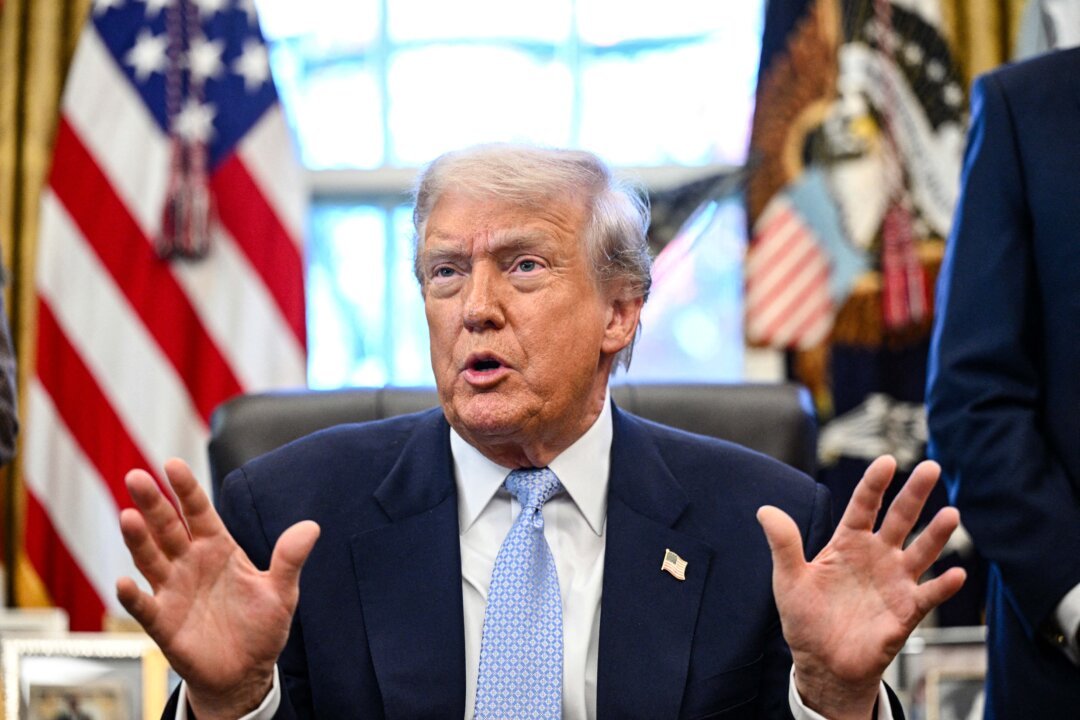
President Donald Trump has launched a scathing attack against six Democratic lawmakers, suggesting they should face the death penalty for sedition after the group released a video encouraging U.S. military personnel to disobey what they characterized as “illegal orders.”

The inflammatory comments, posted on Trump’s Truth Social platform on November 20, represent a dramatic escalation in political rhetoric as the president targets the Democratic representatives—all of whom are veterans of military or intelligence services.
In his Truth Social posts, Trump branded the lawmakers’ message as “dangerous” and called for their potential arrest and prosecution for seditious behavior. The president’s remarks have intensified an already heated political climate as questions swirl around military loyalty and the chain of command.
The controversial video at the center of the dispute features the six Democratic veterans addressing service members directly, urging them to refuse compliance with orders they deem unlawful. This unprecedented appeal to military personnel has sparked fierce debate about the boundaries between political dissent and potential interference with military discipline.
The timing of Trump’s response appears calculated to send a clear message about his expectations for military obedience while simultaneously painting his Democratic opponents as threats to national security. His suggestion of capital punishment for political adversaries marks a notable departure from traditional political discourse, even by Trump’s standards.
The six lawmakers targeted in Trump’s posts have not yet issued formal responses to the president’s accusations, though their original video message emphasized what they described as constitutional obligations to resist unlawful commands. Their military backgrounds—spanning various branches of service and intelligence agencies—add complexity to the political dynamics at play.
Legal experts are likely to scrutinize both the Democrats’ original message and Trump’s reaction, as questions arise about the boundaries of political speech, military protocol, and presidential authority. The incident highlights ongoing tensions over civilian-military relations in an increasingly polarized political environment.
Trump’s call for severe punishment against political opponents represents a significant moment in his presidency, potentially setting new precedents for how executive power intersects with political opposition. The response from Congress, military leadership, and legal scholars will likely shape how this confrontation evolves in the coming days.
The controversy underscores broader questions about military independence, political interference, and the limits of presidential authority that have persisted throughout Trump’s time in office. As this story develops, it may well define key aspects of civil-military relations for years to come.