


























WASHINGTON—President Donald Trump used his December 2 Cabinet meeting at the White House to mount a vigorous defense of his administration’s economic policies, pushing back against mounting criticism over his approach to tackling the affordability crisis that continues to squeeze American families.

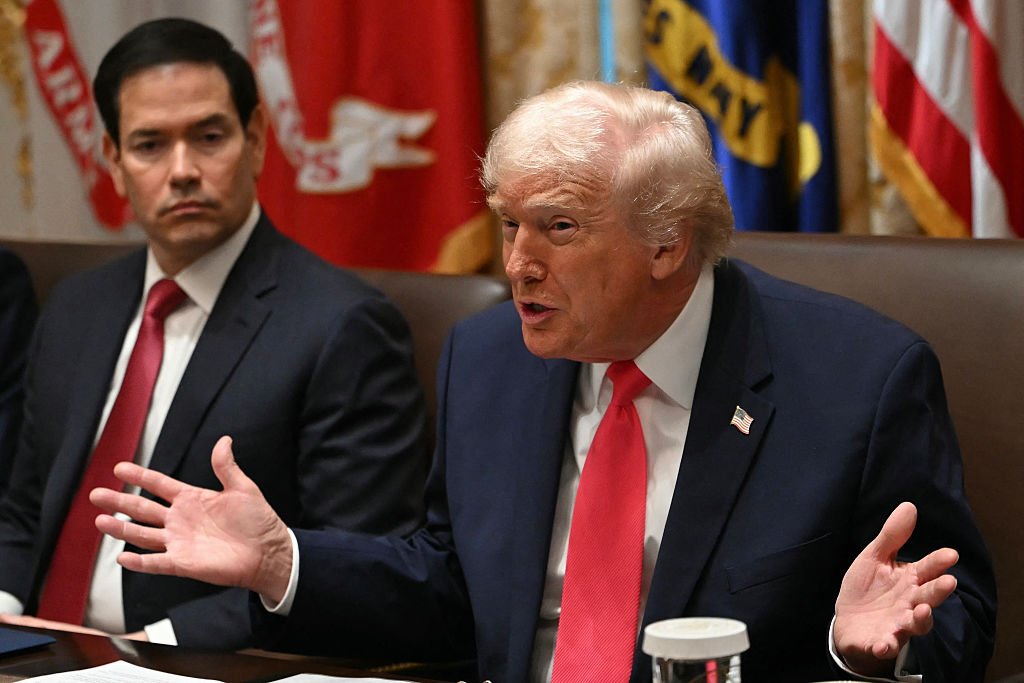
Speaking from the White House alongside newly appointed Secretary of State Marco Rubio, Trump placed blame squarely on his predecessor’s shoulders, declaring that he “inherited the worst inflation in history” when he took office.
The President’s comments come as households across the nation grapple with persistent high prices that have become a defining political issue. Recent polling data from Yahoo/YouGov underscores the gravity of the situation, revealing that affordability concerns remain at the forefront of Americans’ minds as they navigate everything from grocery bills to housing costs.
Trump’s defensive posture during the Cabinet meeting reflects the intense political pressure his administration faces to deliver tangible relief to consumers who have been battling elevated prices for essential goods and services. The President’s characterization of the inflation he inherited as historically unprecedented represents his latest attempt to frame current economic challenges within the context of his predecessor’s policies.
The December 2 gathering marked another opportunity for Trump to directly address economic concerns that have dominated public discourse and political debate since his return to office. With Secretary Rubio present for the discussions, the meeting highlighted the administration’s efforts to present a unified front on economic policy as criticism mounts over the pace of progress on affordability issues.
As the administration continues to face scrutiny over its economic approach, Trump’s emphasis on inherited challenges signals his strategy of contextualizing current conditions within a broader narrative about the economic landscape he encountered upon taking office. The President’s remarks underscore the ongoing political battle over economic stewardship and responsibility for the financial pressures facing American households.