












A dramatic presidential election is unfolding in Honduras, where Conservative National Party candidate Nasry “Tito” Asfura, backed by U.S. President Donald Trump, has secured a razor-thin lead as vote counting continues into the night.

With 55 percent of ballots tallied in what’s shaping up to be one of the closest electoral contests in recent Honduran history, the 67-year-old Asfura holds approximately 40 percent of the vote. His nearest rival, Salvador Nasralla of the center-right Liberal Party, trails by just fractions at 39.78 percent, setting the stage for a potential photo finish that could reshape Central American politics.
The tight margins have election observers on edge, with Rixi Moncada of the ruling leftist LIBRE party registering 20 percent support in third place—a significant drop that signals potential political upheaval for the current administration.
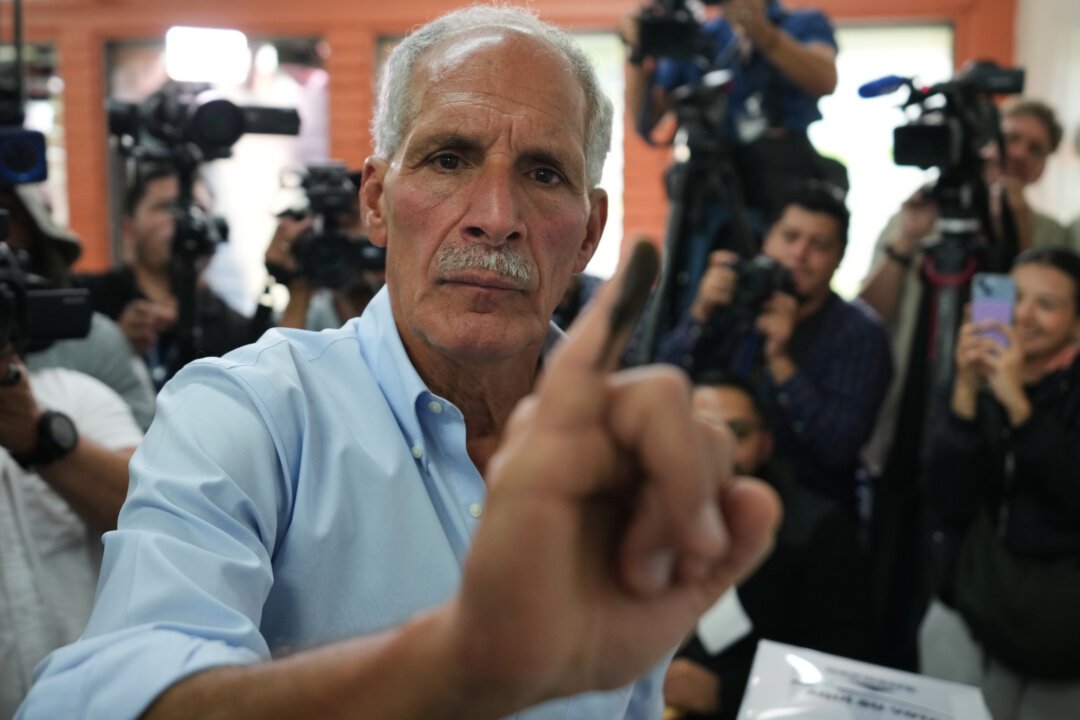
Asfura, who cast his ballot earlier in the day in the capital city of Tegucigalpa, displayed his ink-stained finger to photographers—a symbol of democratic participation that has become iconic in Latin American elections. The scene captured a moment of cautious optimism for the Conservative candidate, whose campaign has emphasized economic recovery and stronger ties with the United States.
The preliminary results suggest Honduran voters are gravitating toward center-right alternatives after years of leftist governance under LIBRE. This potential shift comes at a crucial time for the Central American nation, which has grappled with economic challenges, migration pressures, and questions about its international relationships.
Trump’s endorsement of Asfura has added an international dimension to the race, potentially signaling how a future U.S. administration might approach Central American partnerships. The backing represents a notable intervention in regional politics and could influence diplomatic relations between the two nations regardless of the final outcome.
As vote counting continues through the night, both leading campaigns have stationed representatives at polling stations nationwide to monitor the tallying process. The narrow margin between Asfura and Nasralla means that thousands of remaining ballots could still determine the winner in what has become a nail-biting finish to a hard-fought campaign.
The election results will have significant implications not only for Honduras but for broader regional dynamics in Central America, particularly regarding immigration, trade relationships, and security cooperation with the United States. With such tight margins, final results may not be known for several more hours as election officials work to ensure accurate counting of all ballots cast.