













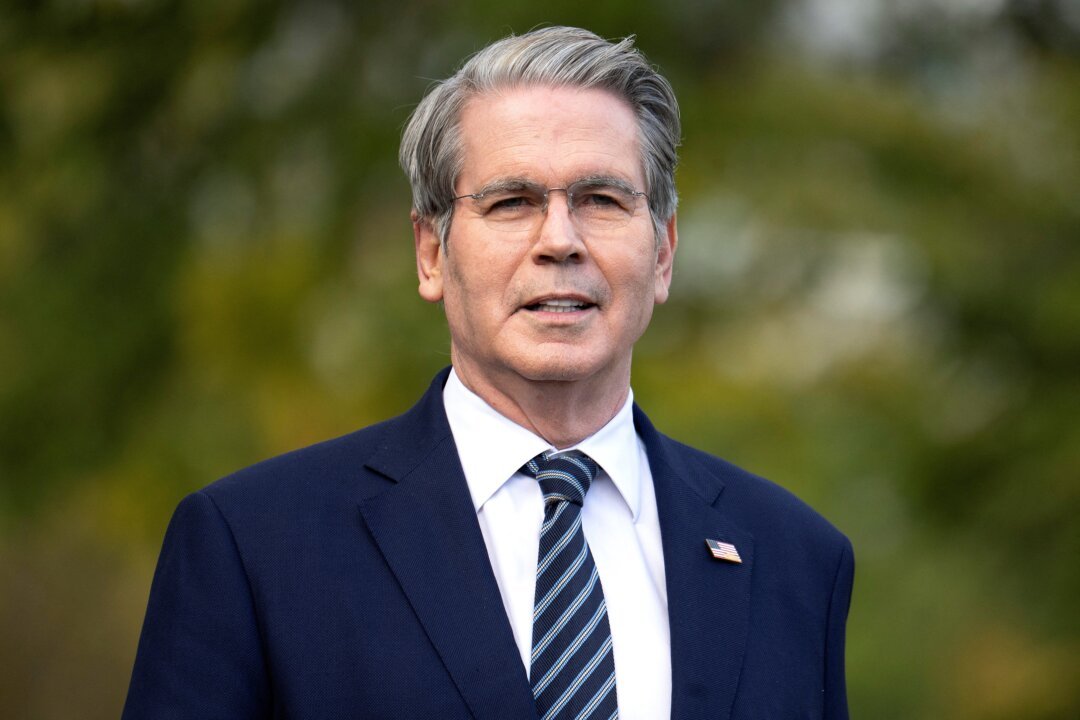
Treasury Secretary Scott Bessent indicated Tuesday that President Donald Trump could announce his choice for the next Federal Reserve chair within weeks, potentially before the Christmas holiday arrives.

Speaking to reporters, Bessent revealed he was wrapping up a second round of candidate interviews for the critical central banking position later that day, suggesting the selection process has entered its final stages.
“There’s a good chance” Trump will unveil his Federal Reserve pick before Christmas, Bessent told journalists outside the West Wing, marking the most specific timeline yet provided by the administration for this closely watched appointment.
According to a Bloomberg report citing sources familiar with the deliberations, White House economic adviser Kevin Hassett has emerged as the leading contender among Trump’s allies and advisers. The development would place a familiar face from Trump’s previous administration at the helm of the nation’s central bank.
Hassett’s potential nomination aligns with Trump’s monetary policy preferences, as both men have publicly advocated for lower interest rates than those currently maintained under Federal Reserve Chair Jerome Powell’s leadership. This shared economic philosophy could signal a shift in the Fed’s approach to monetary policy under a new administration.
The Federal Reserve chair position represents one of the most influential economic roles in government, with the power to shape interest rate policy that affects everything from mortgage rates to business lending across the American economy. The chair serves a four-year term and leads the central bank’s efforts to maintain price stability and full employment.
Trump’s selection process appears to be moving swiftly, with the completion of second-round interviews suggesting thorough vetting of candidates. The president’s decision to potentially announce before the holiday season would provide clarity on monetary policy direction as financial markets prepare for the new year.
The timing of Bessent’s comments, delivered during what appears to be an active interview process, indicates the administration is treating the Federal Reserve appointment as a priority item requiring prompt resolution rather than an extended deliberation.