



























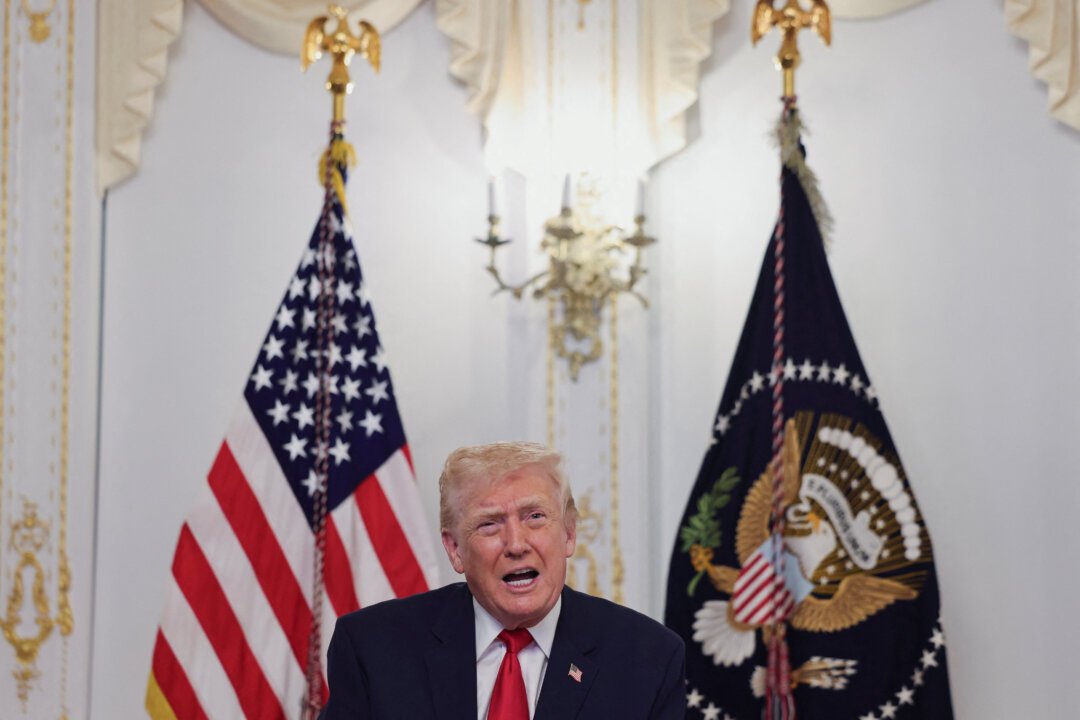
In a bold economic proposition that could reshape America’s fiscal landscape, President Donald Trump suggested on November 27 that the United States might completely eliminate income taxes within the next two years, relying instead on revenue generated through his administration’s tariff policies.

The striking announcement came during Trump’s traditional Thanksgiving Day call with U.S. service members from his Palm Beach, Florida location, where the president outlined his vision for a dramatically different approach to federal revenue collection.
Tariffs as Economic Game-Changer
Trump emphasized that the tariffs his administration has imposed on foreign nations have already generated substantial revenue streams for the federal government. Beyond direct income, the president argued that these trade barriers have achieved a dual purpose by incentivizing companies to relocate their manufacturing operations to American soil to circumvent tariff costs.
This manufacturing migration strategy represents a cornerstone of Trump’s economic philosophy, aiming to rebuild domestic production capabilities while simultaneously generating government revenue through trade policy rather than traditional taxation methods.
Revolutionary Tax Policy Implications
The complete elimination of income taxes would represent one of the most radical shifts in American fiscal policy since the establishment of the federal income tax system. Such a move would fundamentally alter how the federal government funds its operations, from defense spending to social programs.
Trump’s proposal suggests a return to a tariff-based revenue system that characterized much of early American history, before the implementation of the modern income tax structure. This approach would shift the tax burden from individual citizens and domestic businesses to international trade transactions.
Economic Strategy Under Scrutiny
The feasibility of replacing the entire income tax system with tariff revenue remains a subject of intense economic debate. Critics often argue that tariffs can lead to higher consumer prices and potential trade wars, while supporters contend they protect domestic industries and generate substantial government income.
Trump’s announcement comes as his administration continues to navigate complex trade relationships with major economic partners worldwide. The success of such a dramatic policy shift would largely depend on sustained tariff income and continued growth in domestic manufacturing.
The president’s Thanksgiving Day remarks signal his administration’s commitment to pursuing unconventional economic policies that challenge traditional approaches to government funding and international trade relations.