













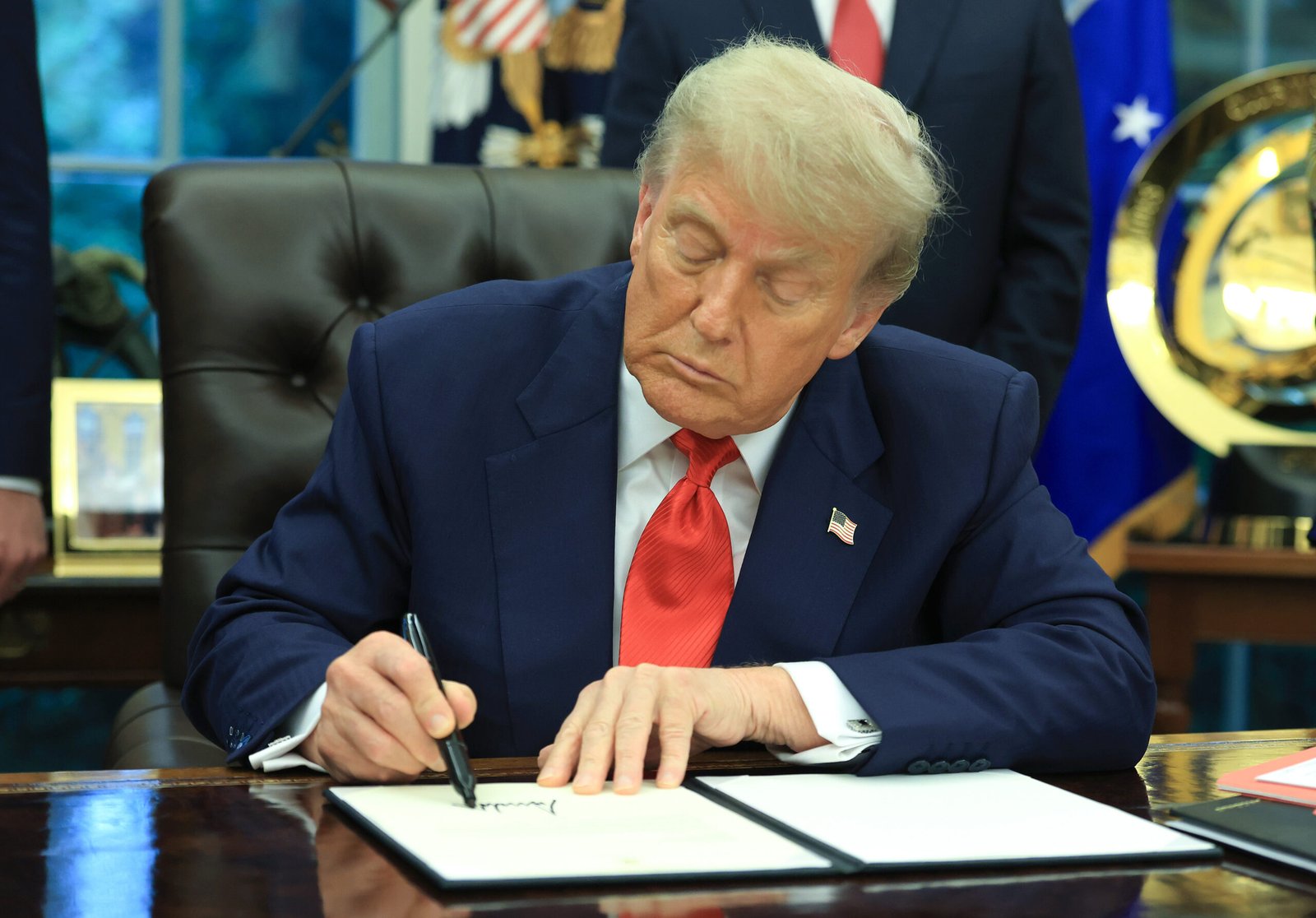
In a significant diplomatic move, President Donald Trump is set to host a groundbreaking peace summit on December 4, bringing together the leaders of two nations that have been locked in regional conflict for decades. The high-stakes meeting will see Rwandan President Paul Kagame and Democratic Republic of Congo President Felix Tshisekedi converge in Washington to sign crucial agreements aimed at ending violence and opening new economic opportunities.

The summit represents a potential turning point for Central Africa’s Great Lakes region, which has endured years of instability stemming from armed conflicts, resource disputes, and cross-border tensions. The comprehensive peace deals being negotiated are designed not only to establish lasting stability but also to create an attractive environment for Western mining companies seeking to invest in the mineral-rich region.
Both nations possess vast natural resources that are essential for modern technology and energy transitions. The Democratic Republic of Congo holds the world’s largest reserves of cobalt, a critical component in electric vehicle batteries, while also being rich in copper, gold, and diamonds. Rwanda, though smaller, has been positioning itself as a regional hub for business and development, offering political stability that international investors find appealing.
The timing of this diplomatic initiative reflects growing Western interest in securing reliable access to critical minerals, particularly as global competition intensifies with China’s significant presence in African mining operations. By facilitating peace between these neighboring countries, the Trump administration appears to be laying groundwork for expanded American and allied investment in the region.
President Kagame has led Rwanda since 2000 and is credited with rebuilding the nation following the 1994 genocide, though his administration has faced international criticism over human rights concerns and alleged involvement in regional conflicts. President Tshisekedi, who took office in 2019, inherited leadership of a country plagued by decades of war, corruption, and economic challenges despite its enormous mineral wealth.
The success of these negotiations could have far-reaching implications beyond the immediate parties involved. A stable partnership between Congo and Rwanda would likely encourage greater international investment, potentially transforming the economic landscape of Central Africa while reducing the humanitarian crises that have displaced millions of people in the region.
In a separate but equally significant development, naval leadership is preparing to address Congress regarding recent maritime incidents. A Navy admiral is scheduled to brief lawmakers on boat strikes, though specific details about the nature and scope of these incidents have not been disclosed publicly. This briefing comes at a time when maritime security remains a critical concern for national defense officials.
The convergence of these diplomatic and security briefings underscores the complex challenges facing the Trump administration as it seeks to advance American interests both internationally and in matters of national security. The outcomes of both the African peace summit and the naval briefing could influence policy directions and international relationships in the months ahead.