













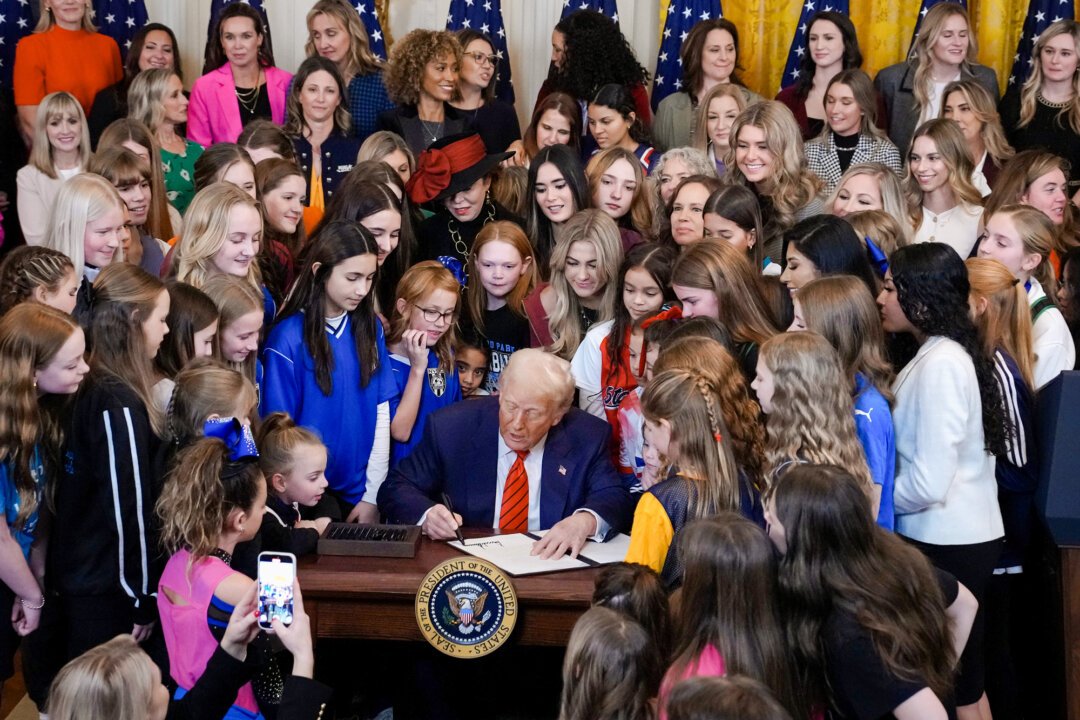
President Donald Trump has wasted no time implementing sweeping changes to America’s education system, fulfilling campaign promises that are now generating significant controversy and legal challenges across the nation.

Within weeks of taking office, Trump launched an aggressive reform agenda targeting both K-12 schools and higher education institutions, with policies designed to eliminate what his administration calls “woke ideology” while potentially saving taxpayers hundreds of billions of dollars.
The president’s education policy rollout has triggered immediate pushback from Democratic governors and the nation’s largest teachers’ union, setting the stage for prolonged legal battles that will extend well into 2026. Several lawsuits have already been filed challenging the administration’s most controversial initiatives.
Student Loan System Under Major Restructuring
One of the most significant aspects of Trump’s education overhaul involves a complete restructuring of the federal student loan system. The administration’s approach represents a dramatic departure from previous policies, with officials arguing that current programs have created an unsustainable financial burden on taxpayers while failing to address the root causes of rising education costs.
The proposed changes could fundamentally alter how millions of Americans finance their higher education, though specific details about implementation timelines and eligibility requirements remain under development.
Federal Funding as Leverage Against DEI Programs
Trump’s team is using federal education funding as a powerful tool to pressure institutions into abandoning diversity, equity, and inclusion (DEI) initiatives. This strategy represents one of the most contentious elements of the administration’s education agenda, with universities and school districts facing difficult choices between maintaining their current programs and risking the loss of crucial federal support.
Educational leaders across the country are scrambling to understand the full implications of these funding threats, while civil rights organizations are preparing comprehensive legal challenges to what they view as discriminatory policies.
Immediate Legal Challenges Mount
The swift implementation of Trump’s education policies has prompted an equally rapid legal response. Multiple federal courts are now handling cases that could determine the fate of the administration’s most ambitious reforms, with plaintiffs arguing that several executive orders exceed presidential authority and violate established civil rights protections.
Legal experts predict that these cases will create a complex web of litigation that could take years to resolve, potentially leaving schools and universities in prolonged uncertainty about which policies they must follow.
State-Level Resistance Emerges
Democratic governors in several states have announced their intention to resist Trump’s education mandates, creating a potential standoff between federal and state authorities. This resistance movement is coordinating efforts to protect existing programs while challenging federal overreach through both legislative and judicial channels.
The National Education Association, representing millions of teachers nationwide, has also mobilized significant resources to oppose what it characterizes as harmful policies that will ultimately damage student outcomes and educator morale.
Financial Implications Spark Debate
Perhaps most significantly, the Trump administration claims its education reforms will save taxpayers hundreds of billions of dollars over the coming decade. These projected savings stem primarily from changes to student loan forgiveness programs and reduced federal spending on initiatives the administration considers ineffective.
However, critics argue that these savings estimates are inflated and that the real-world impact of the policies will be to shift costs onto students, families, and state governments rather than eliminating them entirely. Independent analysis of the administration’s claims remains ongoing, with results expected to influence public opinion and political support for the reforms.
As 2026 approaches, the education sector faces unprecedented uncertainty, with institutions, students, and families all waiting to see how these sweeping changes will ultimately reshape American education. The outcome of pending legal challenges and the effectiveness of state-level resistance efforts will likely determine whether Trump’s vision becomes permanent policy or faces significant modification under pressure from courts and public opinion.