













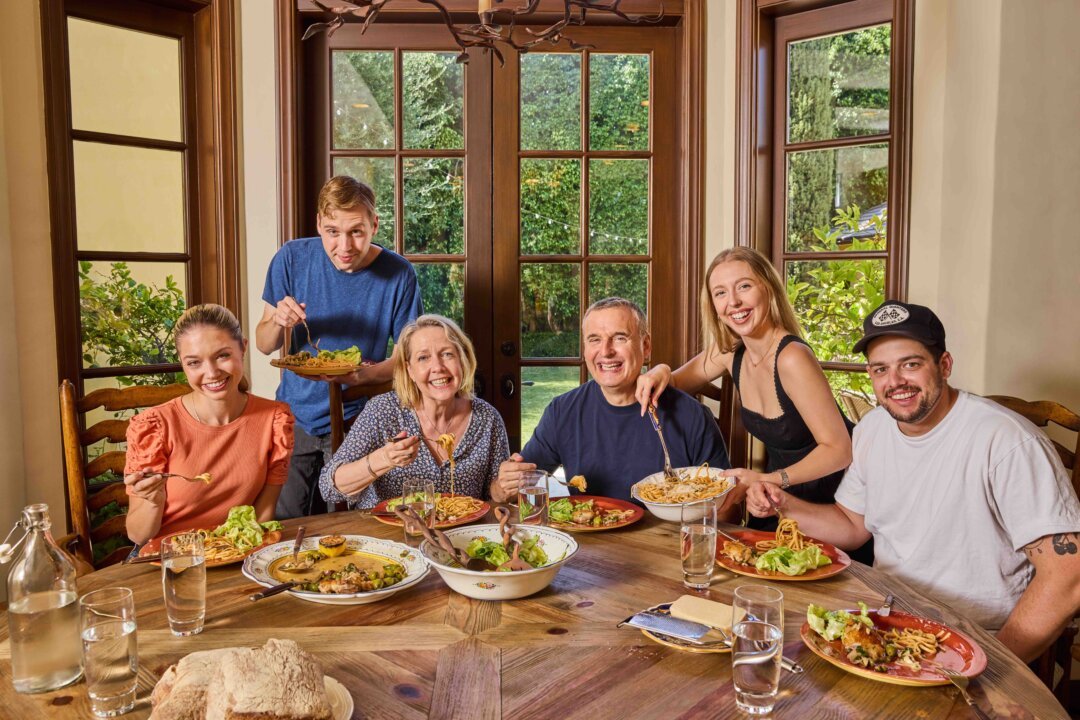
In the world of food television, viewers might naturally assume that hosts are culinary masters in their own kitchens. When it comes to Phil Rosenthal, the beloved creator of “Everybody Loves Raymond” and star of Netflix’s “Somebody Feed Phil,” that assumption couldn’t be further from the truth.

Despite hosting one of television’s most popular food shows, Rosenthal readily admits he’s no chef. What he lacks in cooking skills, however, he more than makes up for with an infectious passion for bringing people together around the dinner table—a philosophy deeply rooted in his own upbringing.
Growing up, Rosenthal’s family maintained a sacred tradition: dinner together every single night. This unwavering commitment to shared meals didn’t just fill stomachs—it shaped the future television producer’s entire worldview about the power of food to connect people.
The Foundation of Family Values
For Rosenthal, those nightly family gatherings served as more than mere sustenance. They were the cornerstone of family bonding, where stories were shared, relationships were strengthened, and life lessons were learned over plates of home-cooked food. This early exposure to the communal aspect of dining would later become the driving force behind his television success.
The impact of these formative experiences is evident throughout Rosenthal’s career. From the family-centric humor that made “Everybody Loves Raymond” a household favorite to the heartwarming connections he makes with locals in “Somebody Feed Phil,” the thread of family and food remains constant.
From Sitcom Success to Culinary Adventures
Rosenthal’s transition from creating one of television’s most beloved family comedies to exploring global cuisine might seem like a dramatic career shift, but it represents a natural evolution of his core beliefs. His approach to food television isn’t about perfect technique or gourmet presentations—it’s about celebrating the universal language of hospitality and human connection.
In “Somebody Feed Phil,” Rosenthal’s genuine curiosity and childlike wonder when discovering new foods and cultures resonates with audiences precisely because it’s authentic. He’s not putting on the persona of a food expert; he’s simply sharing his genuine appreciation for the way meals bring people together, regardless of cultural or geographical boundaries.
The Recipe for Success
What sets Rosenthal apart in the crowded field of food television is his understanding that the who matters more than the what when it comes to memorable meals. This philosophy, cemented during those childhood dinner table conversations, continues to guide his approach to both television production and life itself.
His success story serves as a reminder that sometimes the most impactful career paths aren’t built on technical expertise alone, but on the ability to recognize and celebrate the fundamental human experiences that connect us all. In Rosenthal’s case, that connection happens to revolve around the simple yet profound act of sharing a meal.
As families across America gather for their own dinner conversations, they can take inspiration from Rosenthal’s journey—proof that the values instilled around a family dinner table can indeed change the world, one shared meal at a time.